
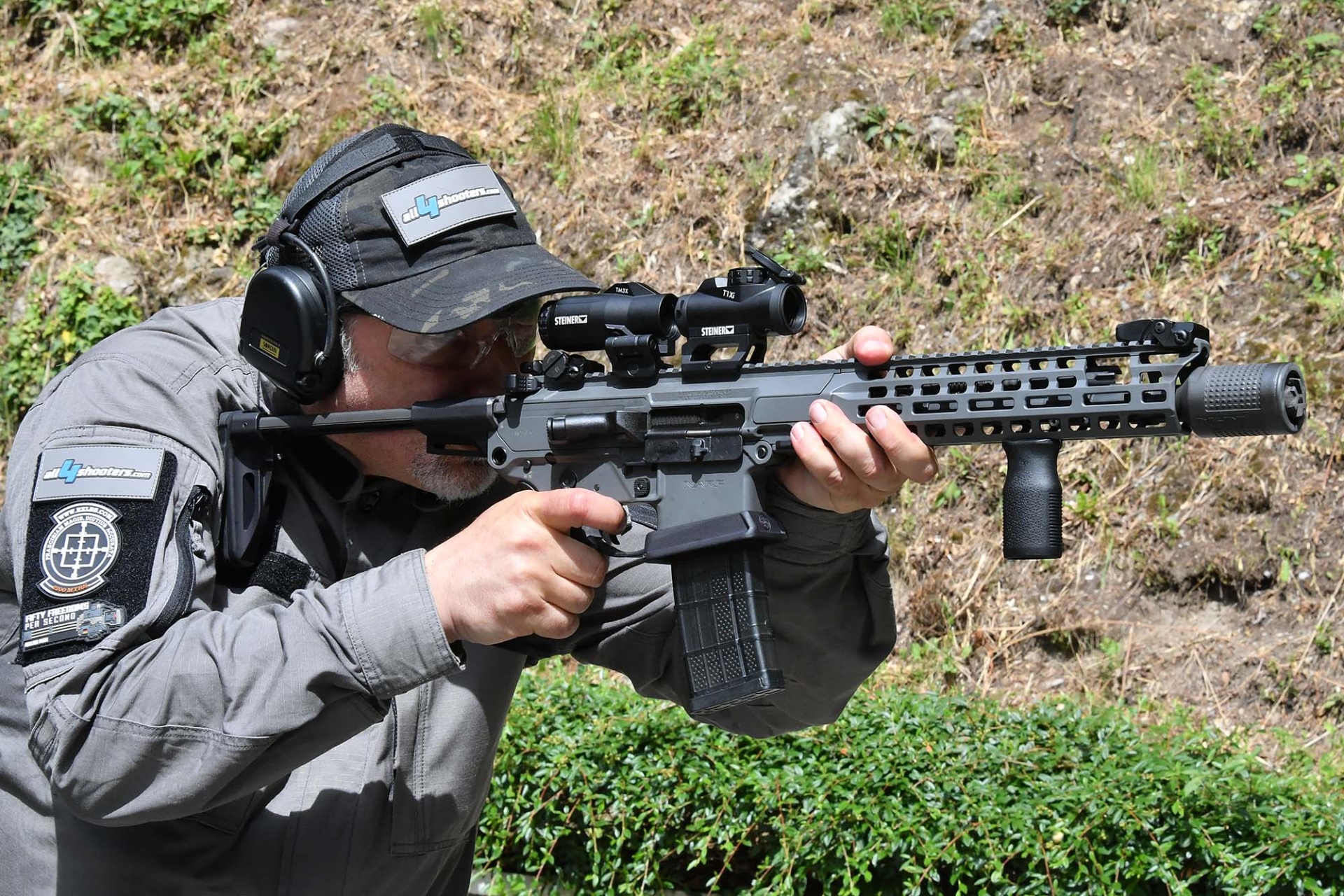
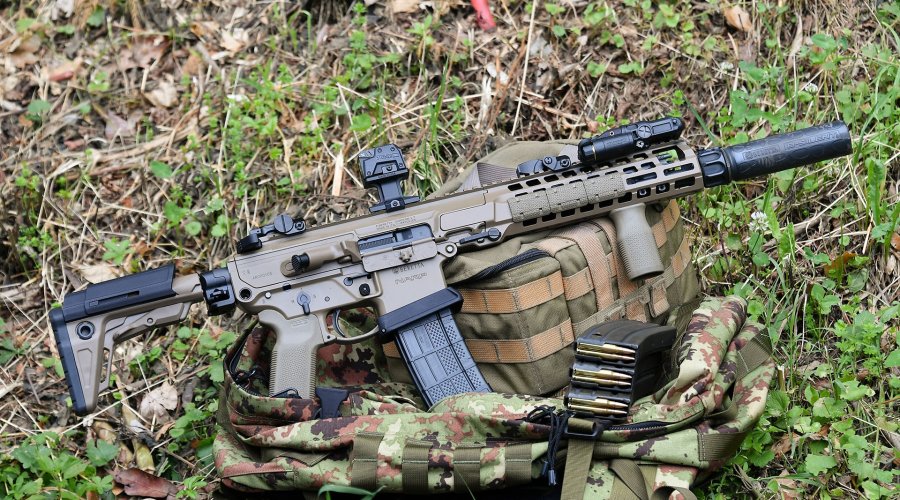
The “NARP”, or New Assault Rifle Platform, is Beretta’s internal designation of a project that began in 2017 with an ambitious objective: creating an entirely new family of military assault rifles. And, it should be quite clear that it’s not the name of the actual firearm; but the internal name stuck, and today NARP is widely used to refer to any one of the weapons based on the design.
Beretta developed the NARP from the start as a military platform to be tailored and customized to specifically compete in international tenders, easily adapted to multiple calibers, barrel lengths and mission-specific configurations.
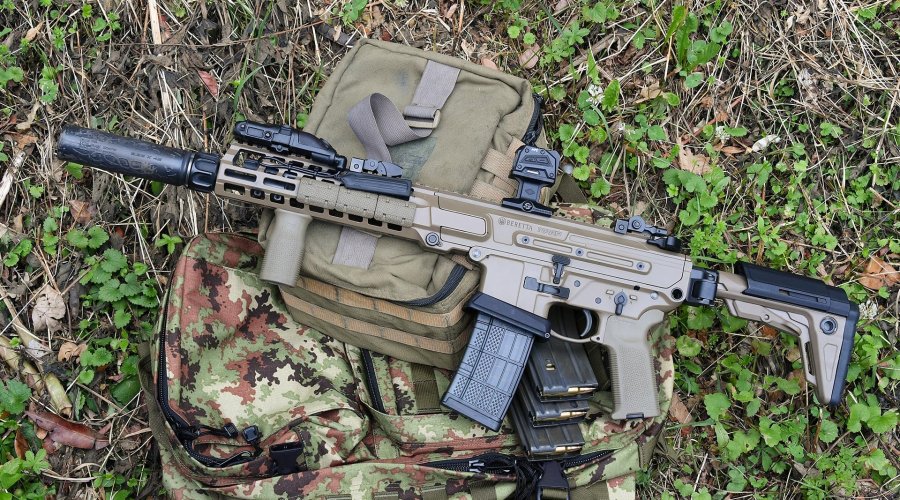
Many Italian Special Forces helped develop the platform; and Beretta engineers redesigned the whole platform more than once, going thru at least three design generations. Initially, full power calibers were considered, but the resulting design was too large, so the decision was made to concentrate on intermediate calibers only.
all4shooters.com introduced the NARP in 2023, and we also reported on the progress of the NARP submission on the UK MOD Grayburn initiative.
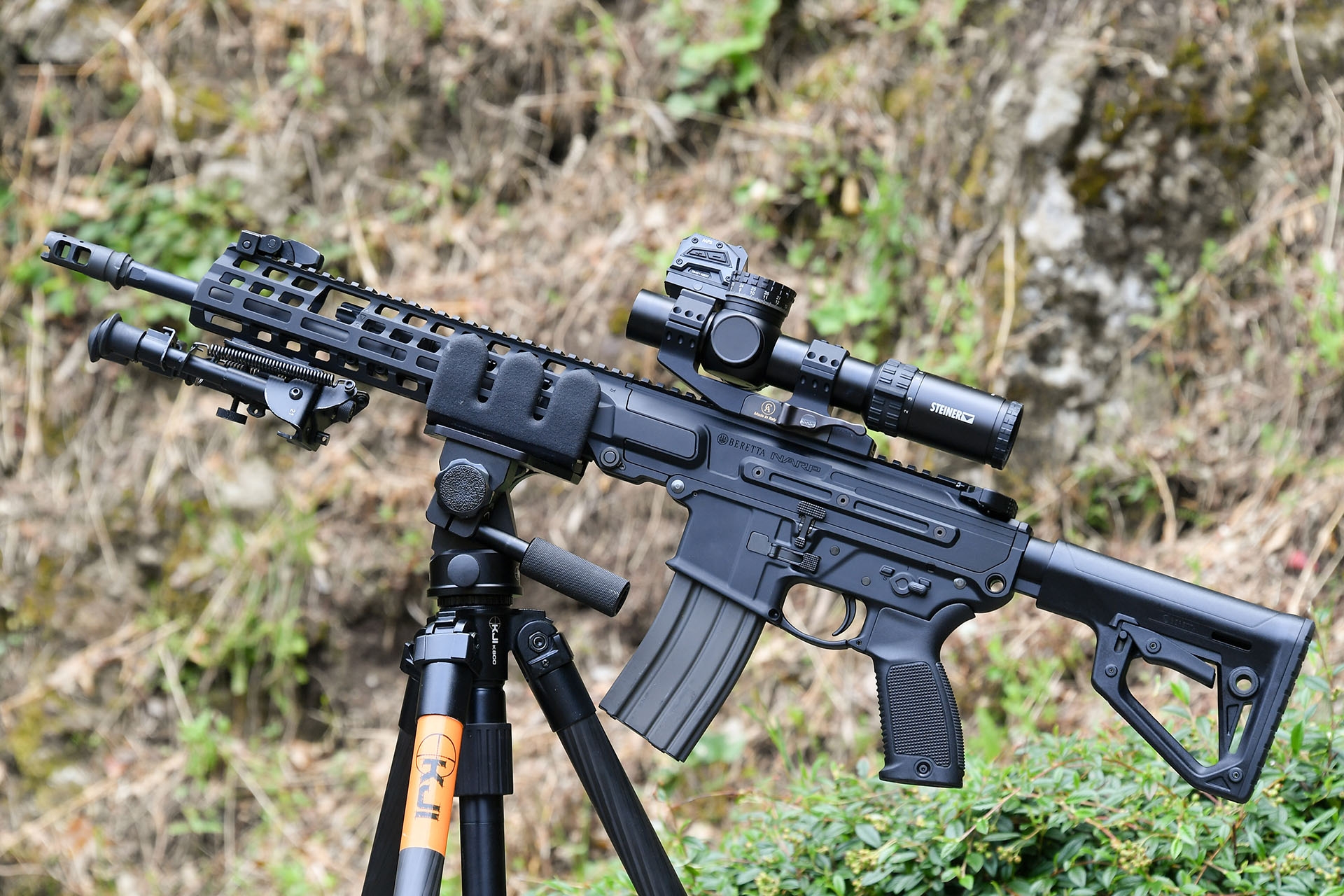
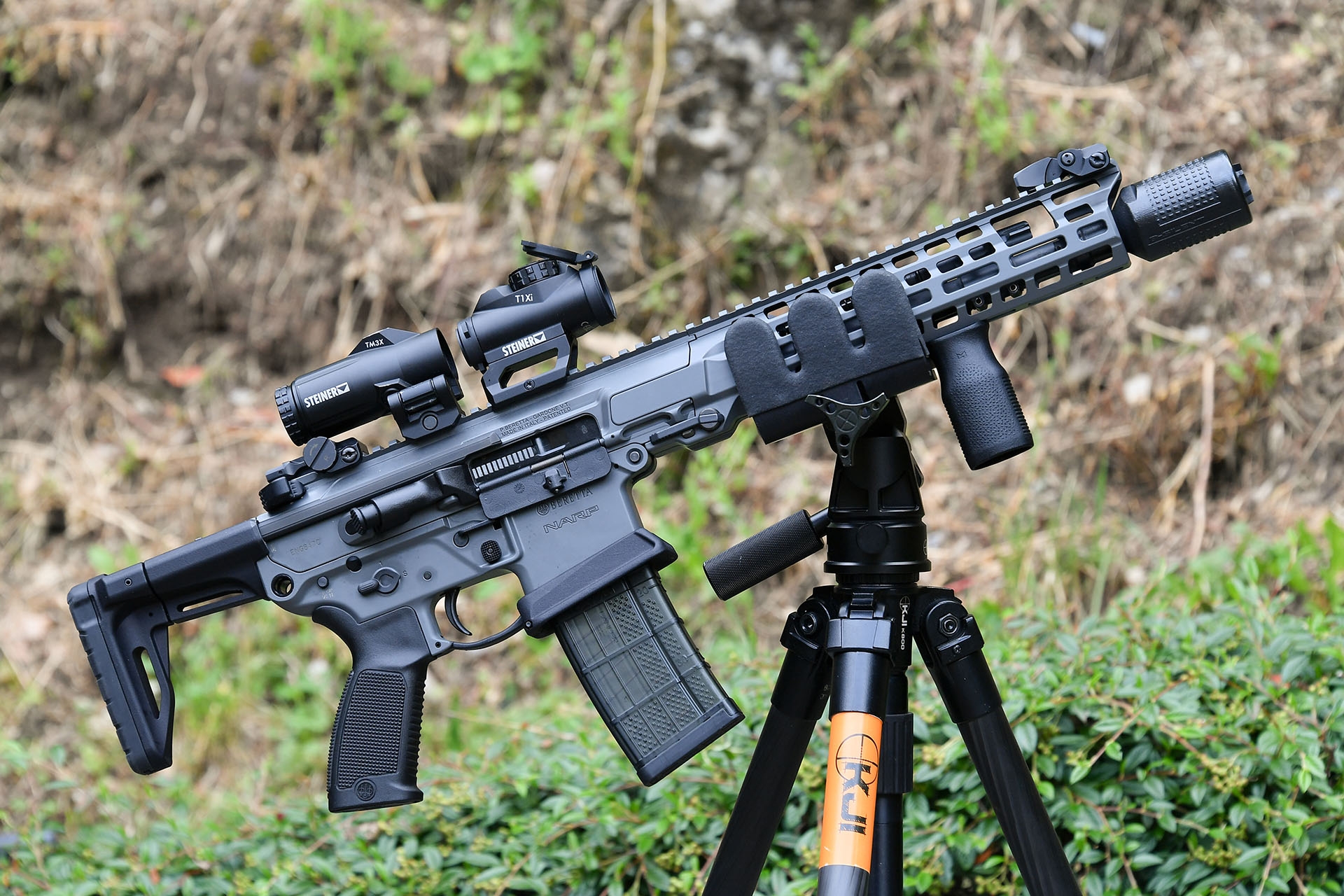
As early as December 2025, Italian Army Chief of Staff Carmine Masiello announced the official adoption of a NARP-based assault rifle configuration, which will replace both the ARX160 and the AR70/90 rifles still in service. The program currently calls for the procurement of 50,000 rifles, with deliveries already underway. The first 2,000 weapons are being issued to the 9th Parachute Assault Regiment “Col Moschin”, the RAO Regiment, and the 4th Alpine Parachute Regiment; all Special Forces under COMFOSE command.
Video: Beretta NARP, New Assault Rifle Platform live fire test
Five design pillars
The platform was designed around five core features: Reliability, Accuracy, Lethality, Ergonomics and Signature reduction.
Reliability was a design requirement
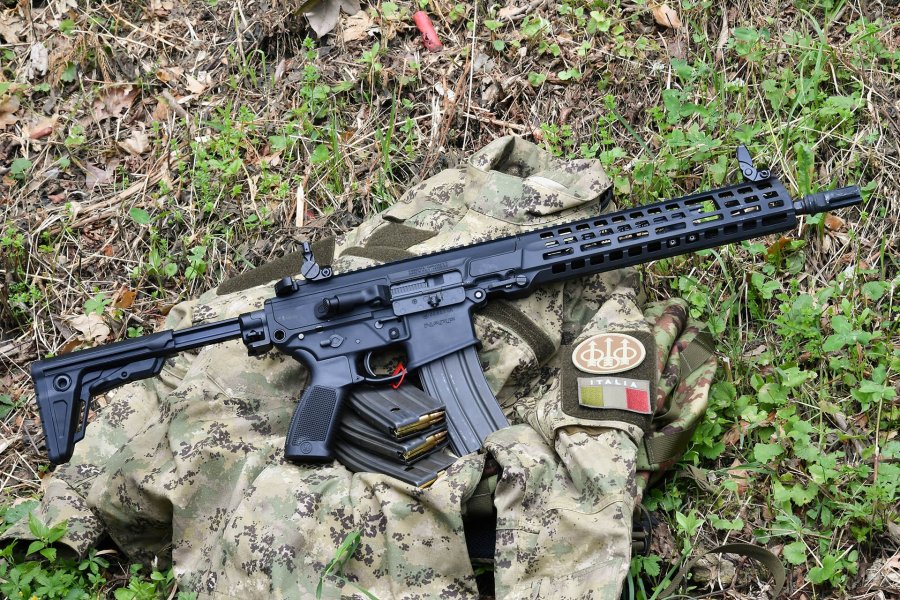
The NARP endured NATO AC/225 qualification, including sand and mud testing; over-the-beach evaluations; from +50 down to -40°C temperature testing and safety and endurance tests. Beretta expects service life to extend beyond 30,000 rounds with multiple ammunition types, including ball, tracer and armor-piercing loads, before barrel replacement is recommended. Ease of maintenance was another key requirement. The gas system can be quickly field stripped without tools for cleaning.
Wear-prone parts are designed for easy replacement; reliability is closely tied to life-cycle support. Dust covers, forward assists and other external components can be replaced individually without requiring depot level assistance.

Accuracy
Beretta is cautious about releasing detailed performance data, however independent testing shows that standard SS109 ammunition shoots slightly better than 2 MOA accuracy at 100 meters, and that some specific configurations can perform almost to designated marksman rifle levels of precision.
In our tests in the Beretta Blue Room’s indoor shooting range the tested configurations of the rifle performed consistently better that that, with groups about 1.5 MOA at 100m.
Ergonomics and operating system
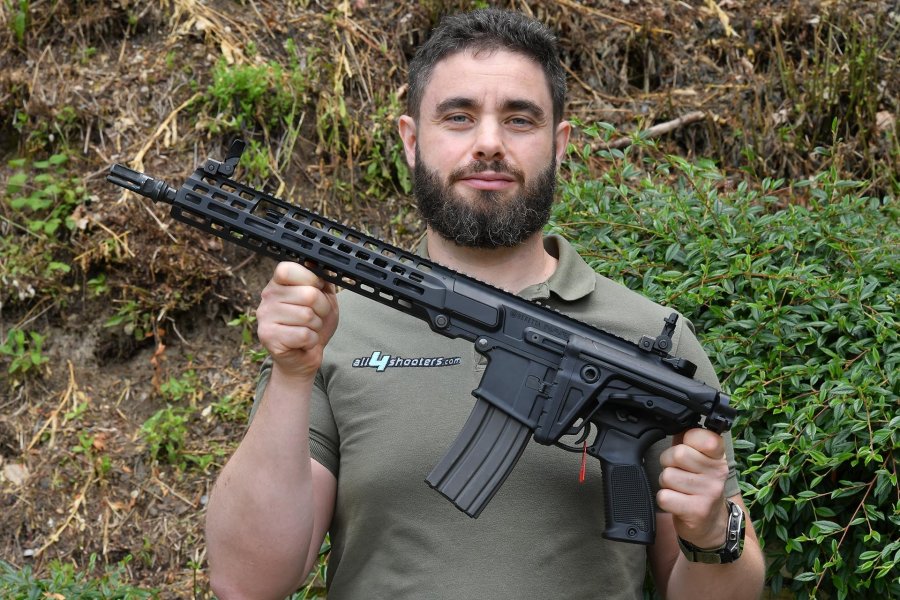
The NARP closely resembles the AR-15 platform control placement, since the AR-pattern is already a de facto an international standard, and a majority of military personnel are familiar with it.
Beretta chose to retain this familiar control location to take advantage of established procedures and operator muscle memory. All primary controls are fully ambidextrous and symmetrical, allowing operation from either side.
But it’s a completely new platform: despite its familiar lines, the Beretta NARP is neither an AR-15 nor an evolution of the ARX 160.
The NARP uses a proprietary Beretta-designed short-stroke gas piston operating system. Gas drives an external piston that transfers energy to the bolt carrier through a segmented operating rod. Heat, propellant residue and carbon fouling mostly stays outside the action, improving reliability and lubrication during prolonged use.
The bolt carrier has a prismatic morphology, with a rotating bolt featuring seven locking lugs and two spring loaded ejectors with a large and reliable claw extractor.
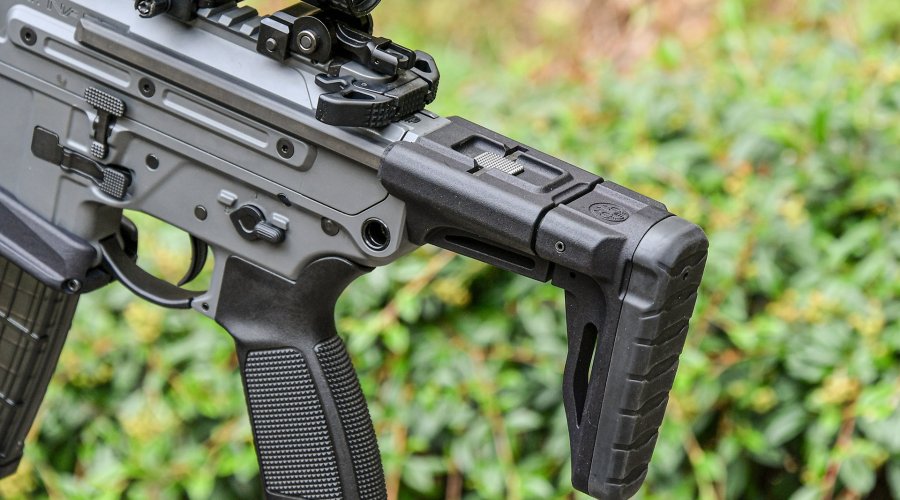
Also, the single mainspring captive recoil system is fully contained within the upper receiver, so, no need for a conventional AR-style buffer tube, allowing the use of folding stocks. Of course, both upper and lower receivers are built from 7075 aluminum alloy, for strength and light weight.
The current folding stock system is very interesting, as it folds without affecting weapon operation. The locking mechanism is simple and rugged, and all controls are still accessible with the stock folded. Various other designs are available, as the NARP can be configured for standard AR “buffer tube” stocks and ultra compact fully collapsible stocks.
A lot of development efforts went into designing the trigger system. This design has absolutely nothing to do with the AR15 and builds up from Beretta’s experiences with its previous assault rifles, such as the ARX160 and AR70/90.
The NARP uses a two-stage trigger with a clean break, minimal creep and a very distinct wall before shot release, and excellent reset in semiauto. Before coming here to test the gun, I’ve heard many reports highlighting the trigger as one of the platform's strongest features.
Signature reduction and suppressor compatibility
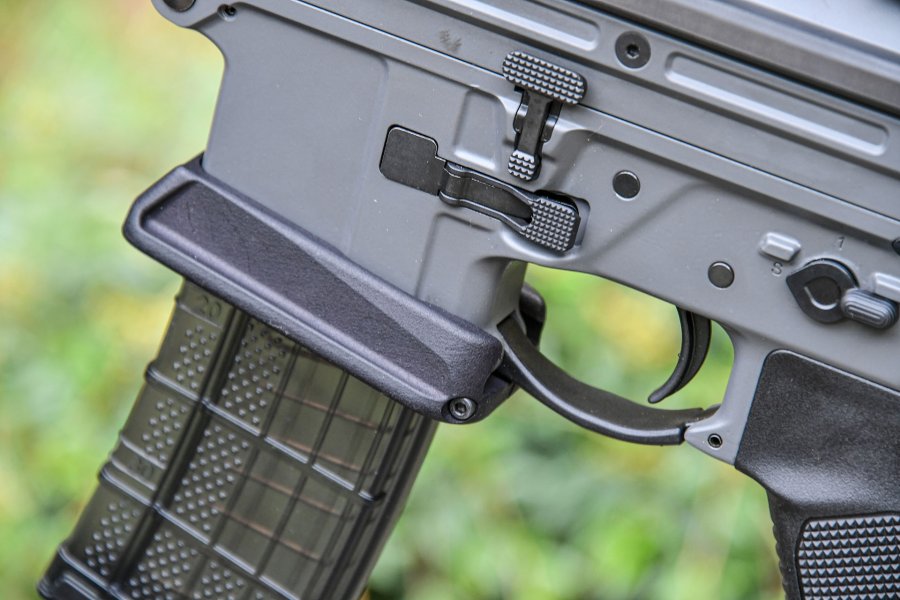
The NARP uses an adjustable gas system with a two-position configuration, S and N, standing for Suppressed and Normal, to optimize the gun specifically for suppressor combination compatibility. The change from either setting can easily be done with the tip of a round.
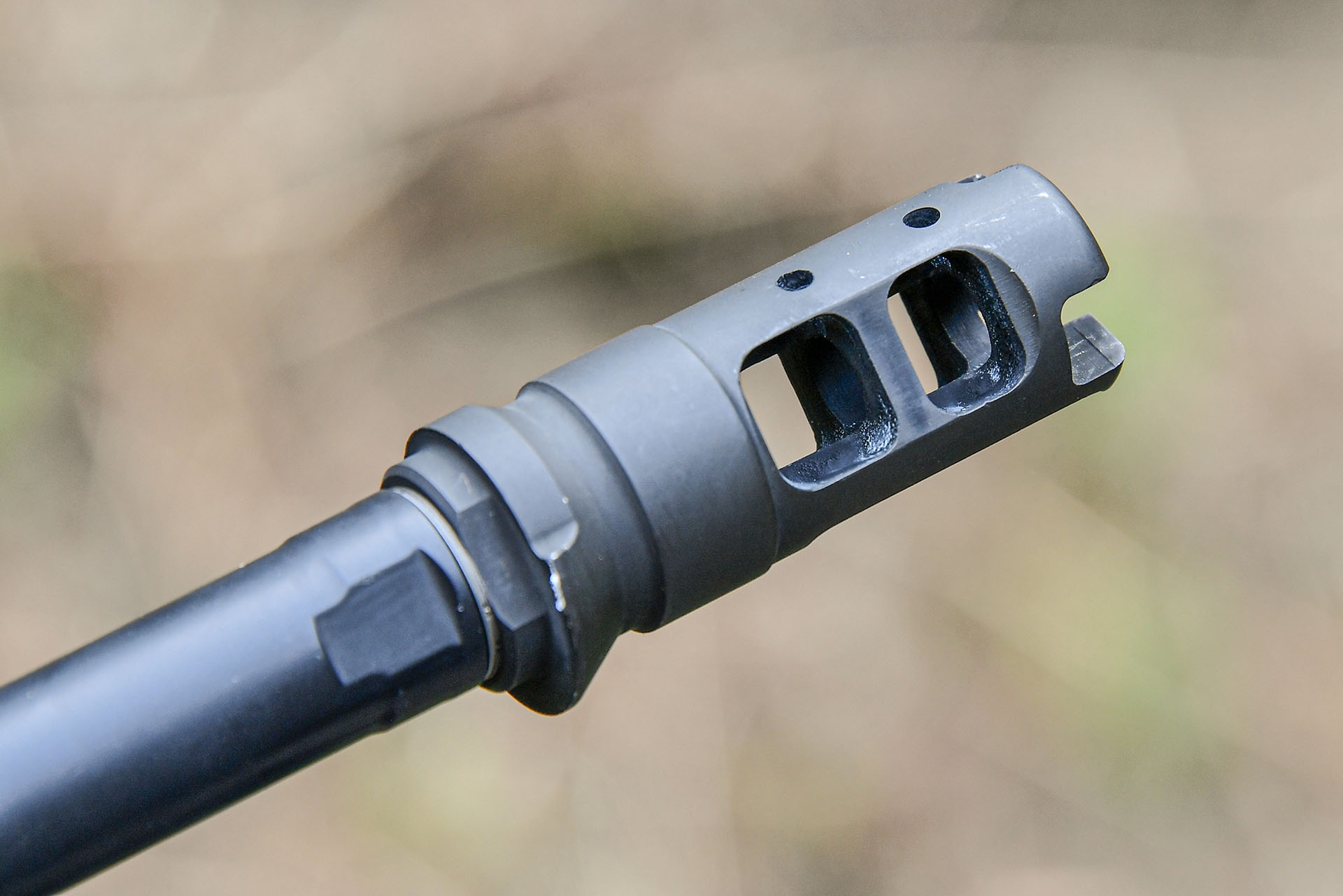
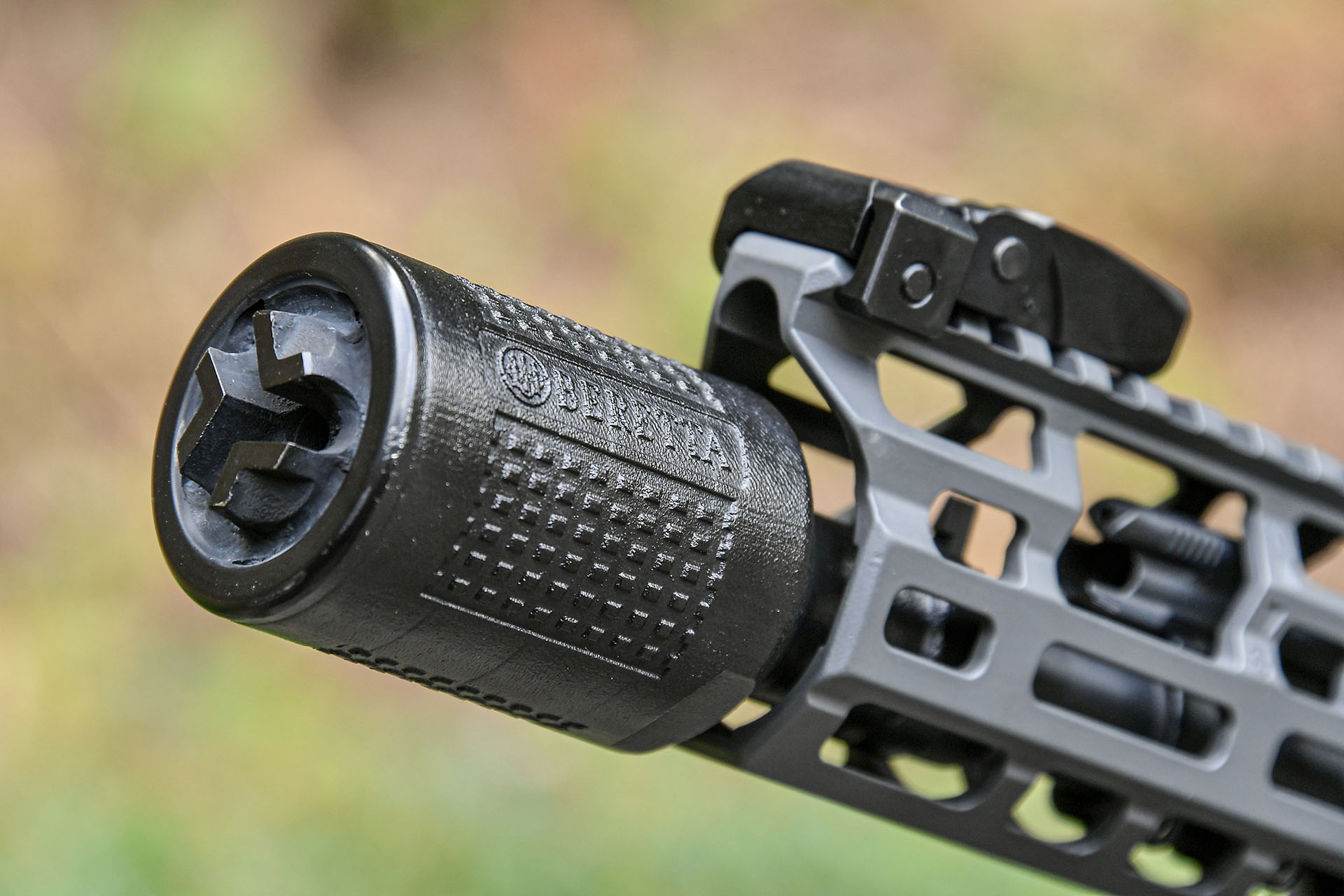
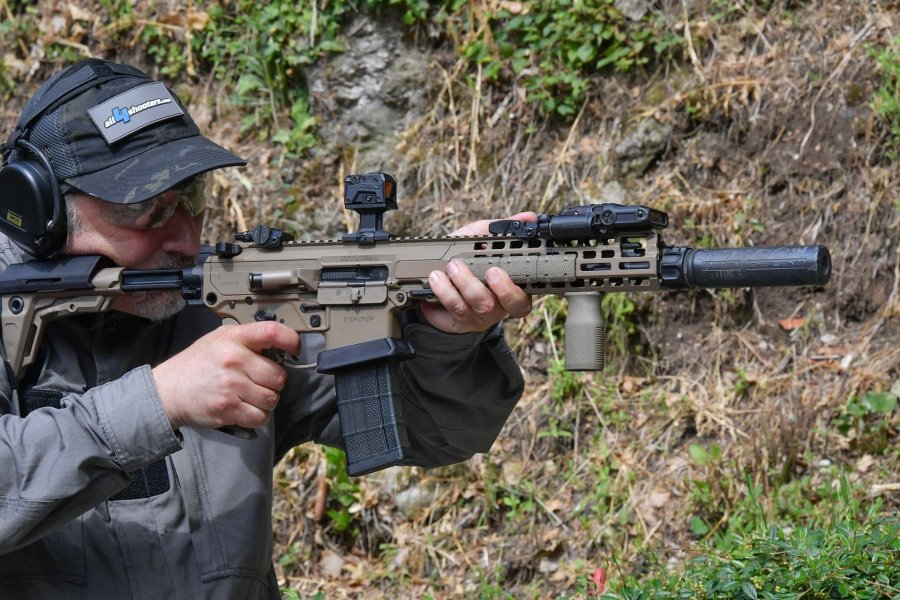
Beretta also developed a proprietary muzzle device to reduce both flash intensity and duration; one of the NARP rifles we tested had the ultra-compact B-Silent suppressor mounted, and on another we tested the QD and larger version of the B-Silent, both built by Beretta.
All firearms can be surface coated with solid colors, camo patterns, and additional surface treatments and coatings are available to reduce infrared visibility, considering the increasing use of thermal and night-vision systems on modern battlefields.
Modularity at the core
Current chamberings of the NARP include 5.56 NATO and 6.5 Grendel, while future calibers may include .300 Blackout, 7.62×39, 6 mm ARC and potential 6.8 mm calibers.
Barrels can be quickly replaced, requiring loosening just four screws, once the self-aligning handguard is removed, acting on a lever on the right side. The quick-change feature was designed for real military conditions and was tested without torque wrenches or specialized tools.
In normal maintenance, due to its four contact points, the handguard does not lose zero of the top STANAG 4694 Rail, as LAMs, COTS and CNVD may live on it.
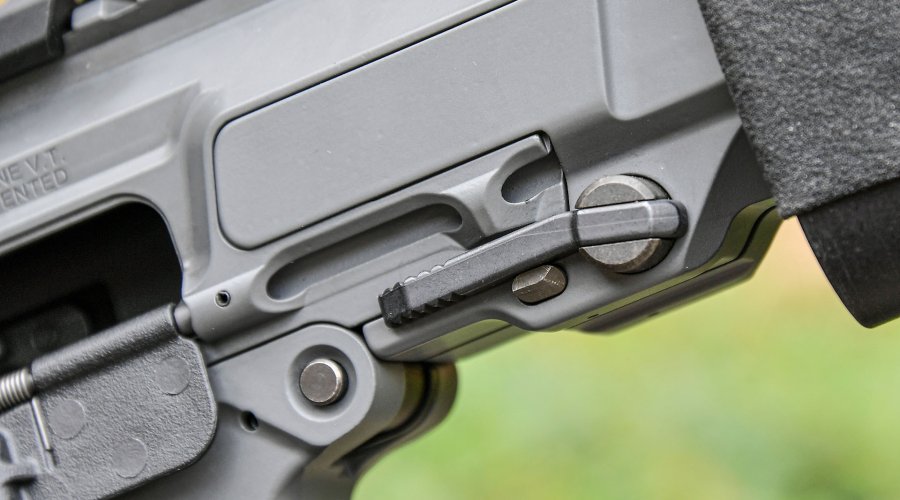
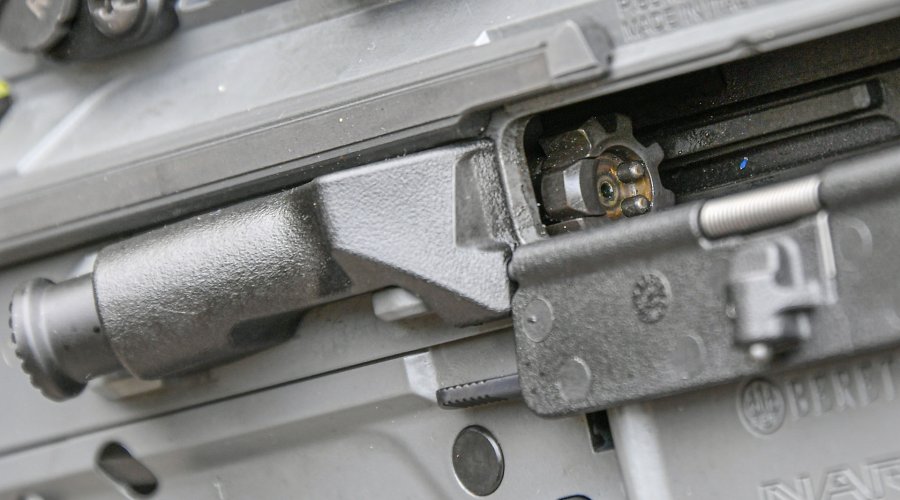
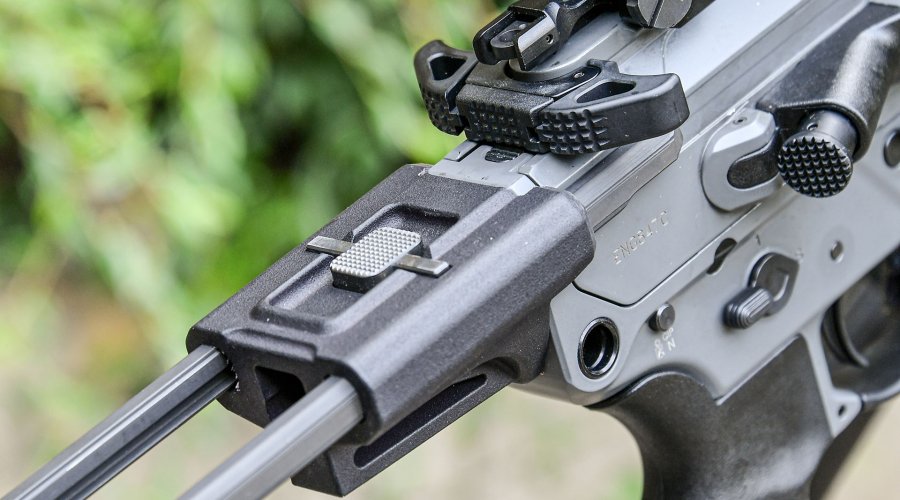
The feed-ramp architecture does not extend into the lower receiver; feed ramps are integrated into the barrel assembly and upper receiver.
This improves compatibility with rounds such as 6.5 Grendel and 6 mm ARC while simplifying barrel replacement.
The modular architecture also allows different handguard lengths, stock configurations and mission-specific layouts.
Several operating components are configurable. Customers can select different stock interfaces, side-charging options and other mission-dependent accessories.
Additional features include an enlarged ambidextrous T charging handle; integrated QD sling attachment points; balanced weight distribution; and last but not least, full compatibility with existing accessory and optics ecosystems, thanks to the full length STANAG 4694 Rail and M-LOK interfaces.
Shooting impressions
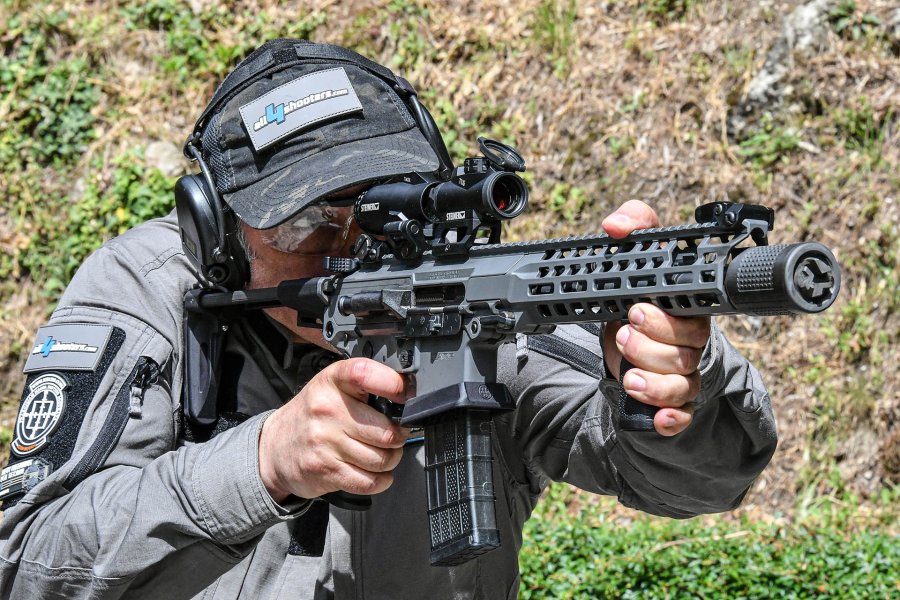
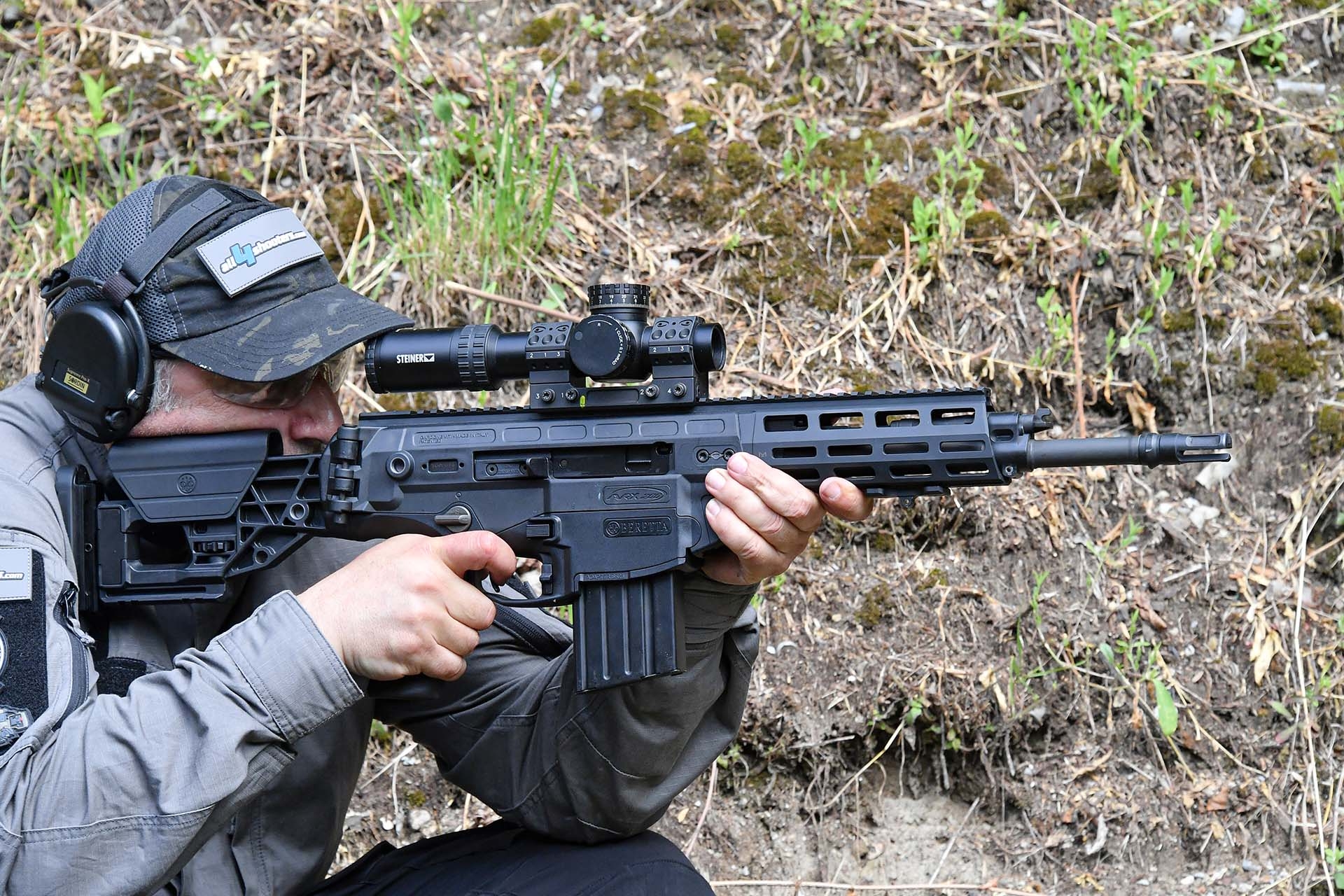
First off, we tested four configurations of the platform: the NARP 11.5" FDE, NARP 14.5" Black, NARP 16" Black DMR version and the NARP 16" Black, which is also setup as the same exact rifle officially adopted as the Italian Army’s standard infantry weapon.
The most noticeable feature is the balance of the rifle. Despite its piston operating system and suppressor-ready architecture, the weapon feels remarkably neutral in the hands and avoids the front-heavy sensation common to many modern military weapons.
The recoil impulse is exceptionally smooth. It’s highly controllable during rapid fire, and even full automatic fire with minimal disturbance to the shooter's sight picture. We could achieve perfect ten three-round bursts with a 30-round magazine consistently and could easily squeeze single rounds off with full auto sear engaged. The rate of fire is about 650 rounds per minute and it’s very reliable. Reset is very short and trigger is so smooth and crisp in its release I wouldn’t mind having it on a couple of my hunting bolt guns.
Suppressor use appears well managed. Gas blowback was negligible during testing, and the adjustable gas system functioned as intended across different configurations.
Initial impressions suggest that the combination of the contained recoil system, proprietary bolt-carrier architecture and short-stroke piston mechanism contributes significantly to the rifle's refined shooting characteristics.
To wrap up
The Beretta NARP is not another AR clone platform introduced in an AR saturated market. It is a ground-up attempt to create a modular military weapon system capable of evolving over time while maintaining familiar ergonomics for current soldiers. The NARP’s first success is at home, having been selected as the Italian Army’s new service rifle, and it may very well become a reference platform in future international military tenders.
Beretta NARP technical specs
| Caliber | 5.56×45 NATO |
| Locking System | Multi-lugs / rotating bolt |
| Barrel Lenght | 11.5" / 14.5" / 16" |
| Firing Mode | Selective fire – semi-automatic / automatic |
| Length (Collapsed Stock) | 819 mm |
| Length (Extended Stock) | 889 mm |
| Length (Folded Stock) | 668 mm |
| Height (with Magazine and Folded Sight) | 225 mm |
| Weight (with Empty Magazine) | 3.3 kg |
| Magazine | STANAG 4179 draft compliant |
| Colour | black / flat dark earth / wolf grey |
For further information: link to the BDT landing page.