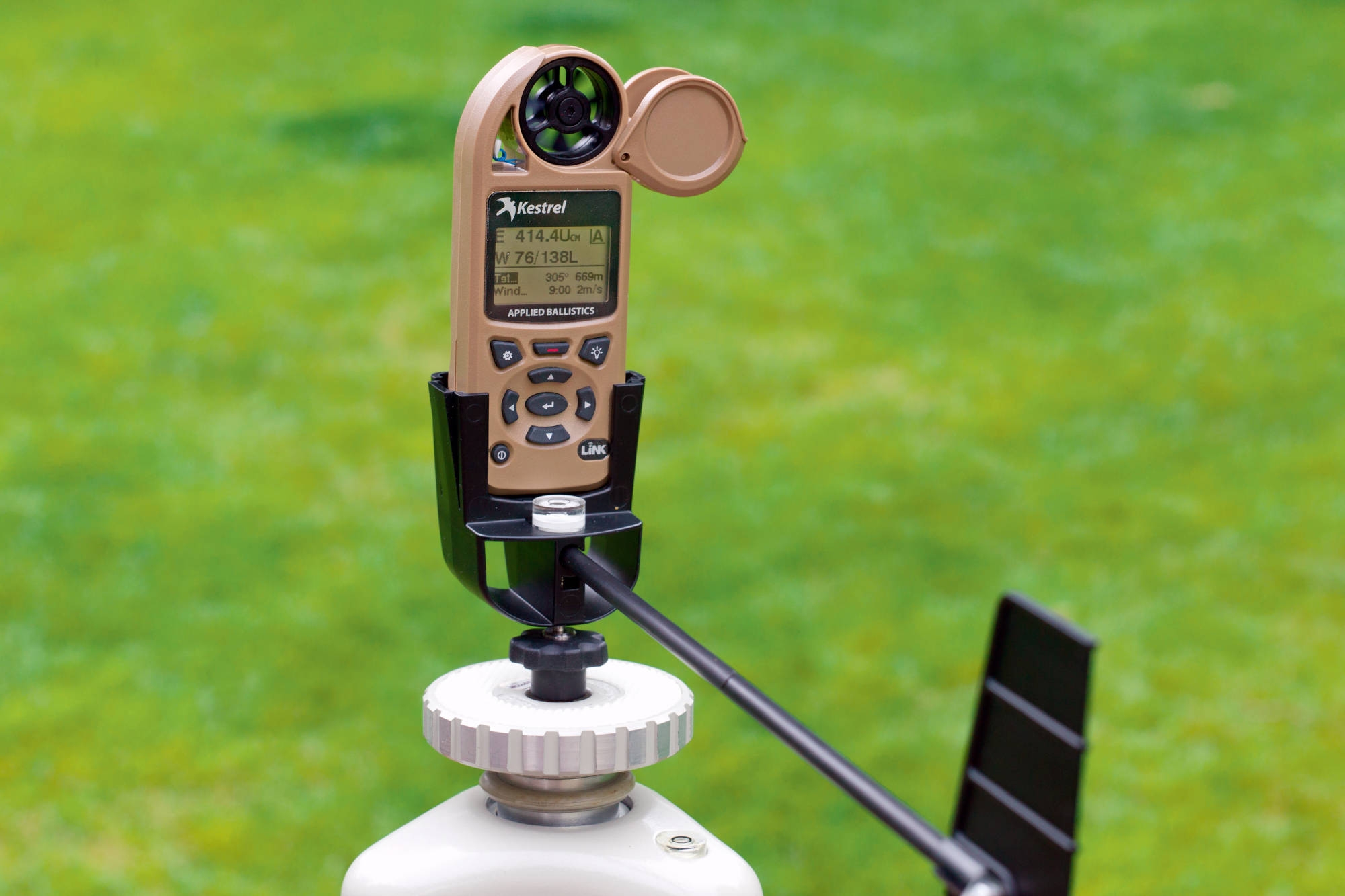

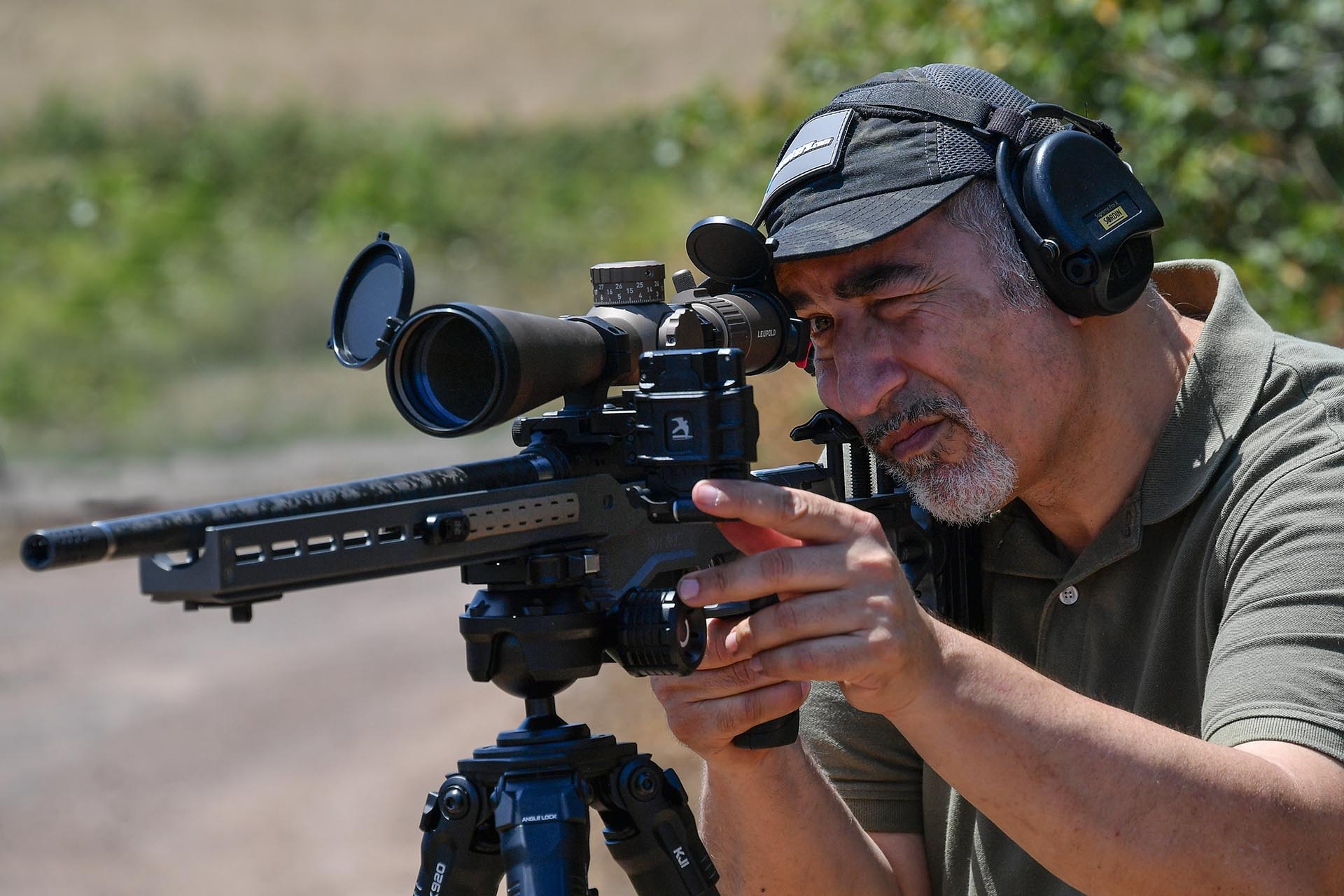
Anyone seriously involved in long-range shooting, PRS or ELR needs more than just target distance. Environmental data are equally important when calculating a ballistic solution, whether they come from wind meters, barometers, thermometers or integrated systems such as the weather meters from Nielsen-Kellerman. The company’s signature professional model, the Kestrel 5700 Elite with built-in Applied Ballistics solver, has become something of a reference standard, even earning its own NATO Stock Number (NSN). Instruments such as the Kestrel 5000 Series have helped change long-range shooting completely.
We have moved from printed DOPE cards (DOPE standing for Data On Previous Engagements, meaning the rifle’s ballistic data at different distances and under different environmental conditions) literally taped onto the rifle or kept on laminated cards within easy reach, to an almost seamless integration of rifle and load, laser rangefinder, weather meter and ballistic solver. The remaining issue is how to read the calculated solution. Either a spotter is available and handles the measurements, observations and calculations before calling the correction to the shooter, or the shooter must break position and perform the entire process alone. In both cases, time is lost and attention moves away from the target.
Ballistic solvers are now integrated into binocular and monocular laser rangefinders, smartphone apps, smartwatches and riflescopes. Nielsen-Kellerman’s Kestrel 5700 Elite with Applied Ballistics adds Bluetooth wireless connectivity, allowing it to communicate with several devices, including laser rangefinders, smartphones, computers and... the Kestrel Heads Up Display for 5 Series meters we test today.
Kestrel HUD for Series 5
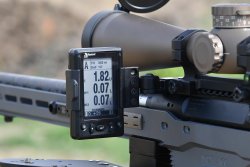
This is precisely where the Kestrel Heads Up Display comes in. It is the solution for viewing ballistic data calculated by Applied Ballistics, or by Hornady 4DOF, which is also available in the firmware of a dedicated 5700 meter version.
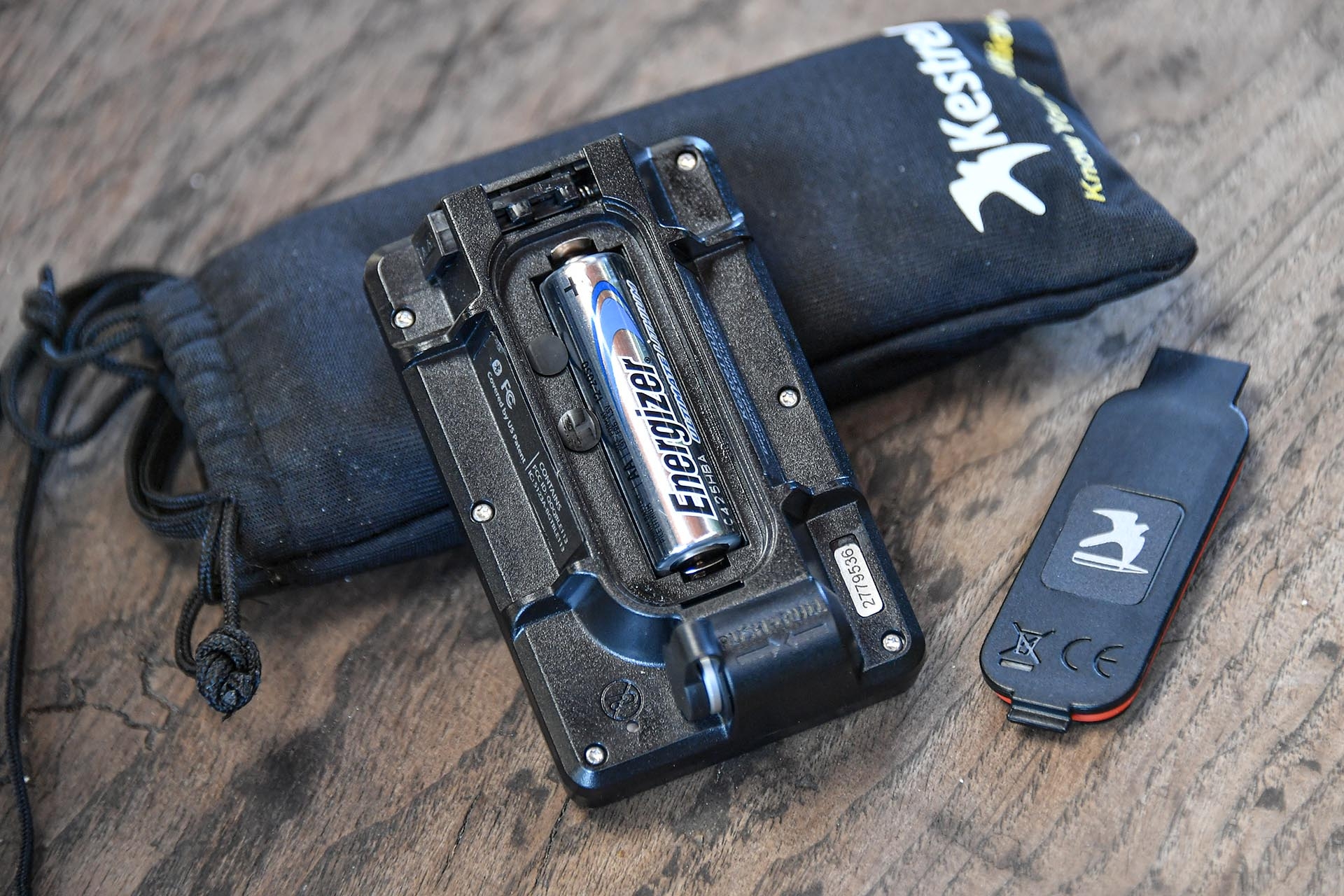
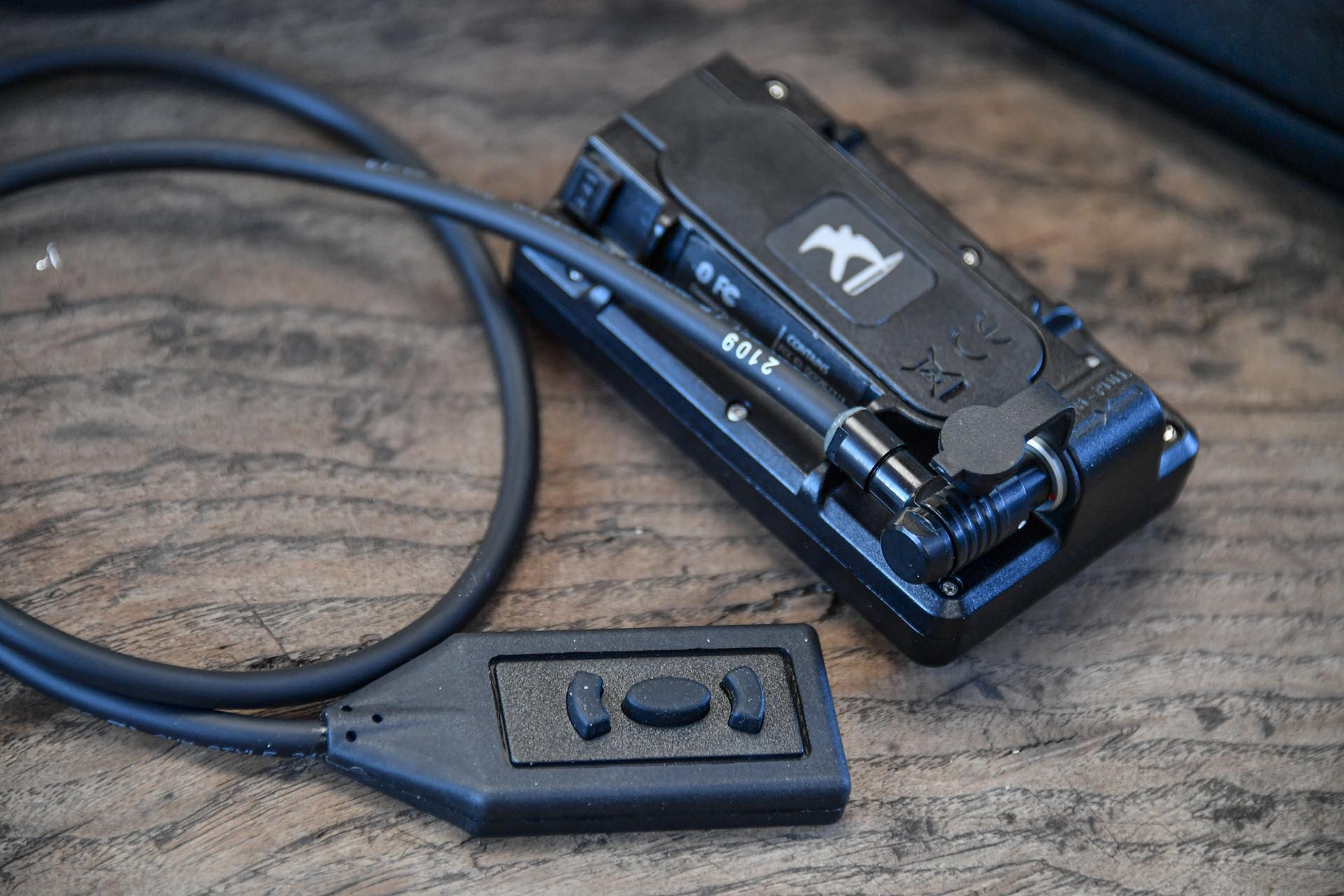
At first glance, the HUD looks vaguely like an old personal digital assistant. The housing is made from high-density polymer and is IP67 rated. The non-touch 2.5-inch monochrome LCD screen offers high contrast, remains readable in full sunlight and includes dim backlighting, in either white or red, for night use. A row of control buttons sits below the screen, while a connector allows use of a remote, which was included with our test unit. Power comes from a single 1.5V AA battery, preferably lithium, for approximately 80 hours of operation. The HUD can also shut itself down automatically after a programmable interval of 15 to 60 minutes if no button is pressed. The remote with three buttons connects through a waterproof LEMO-type connector of very high quality, built to military standards. This also helps explain part of its cost when purchased separately.
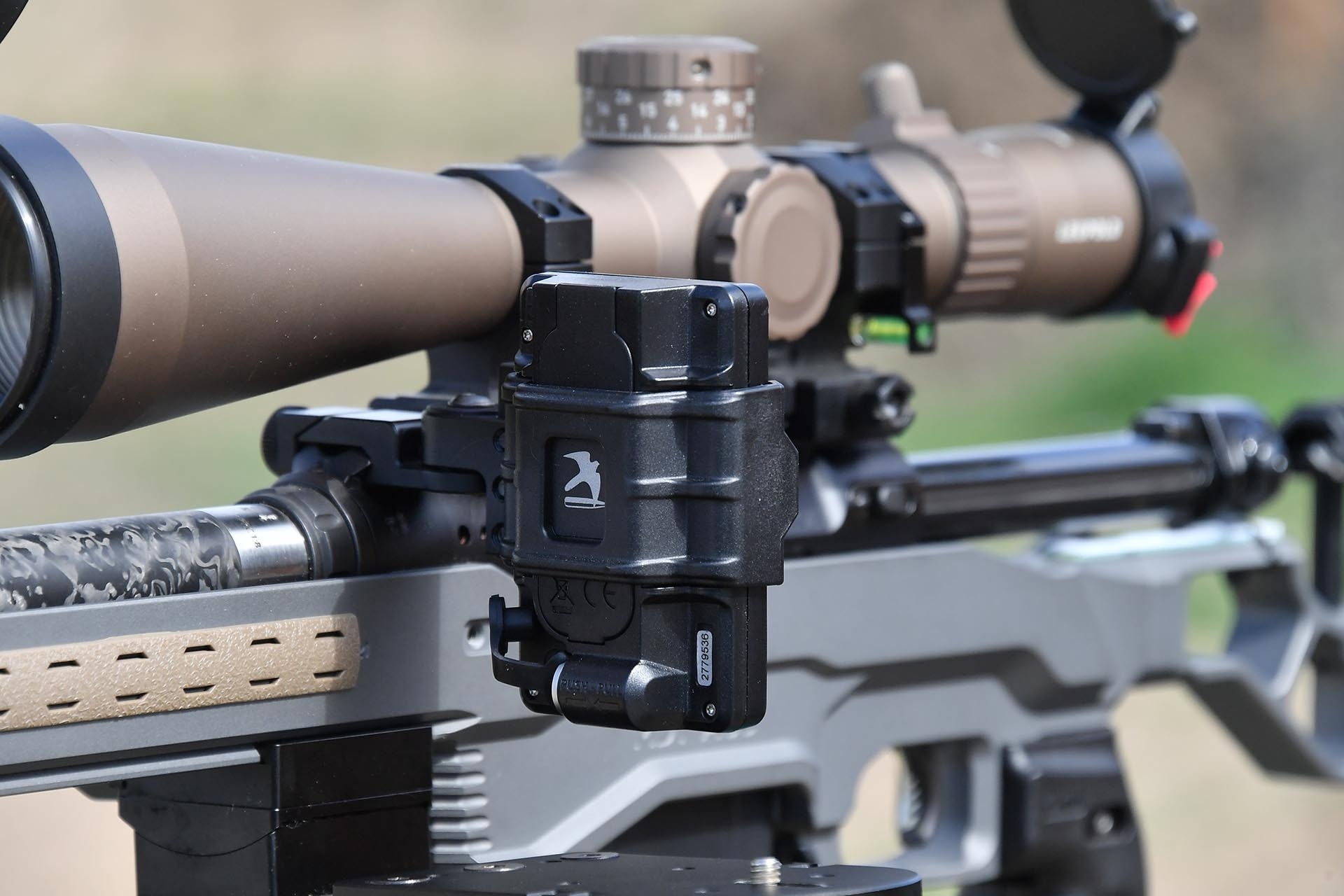
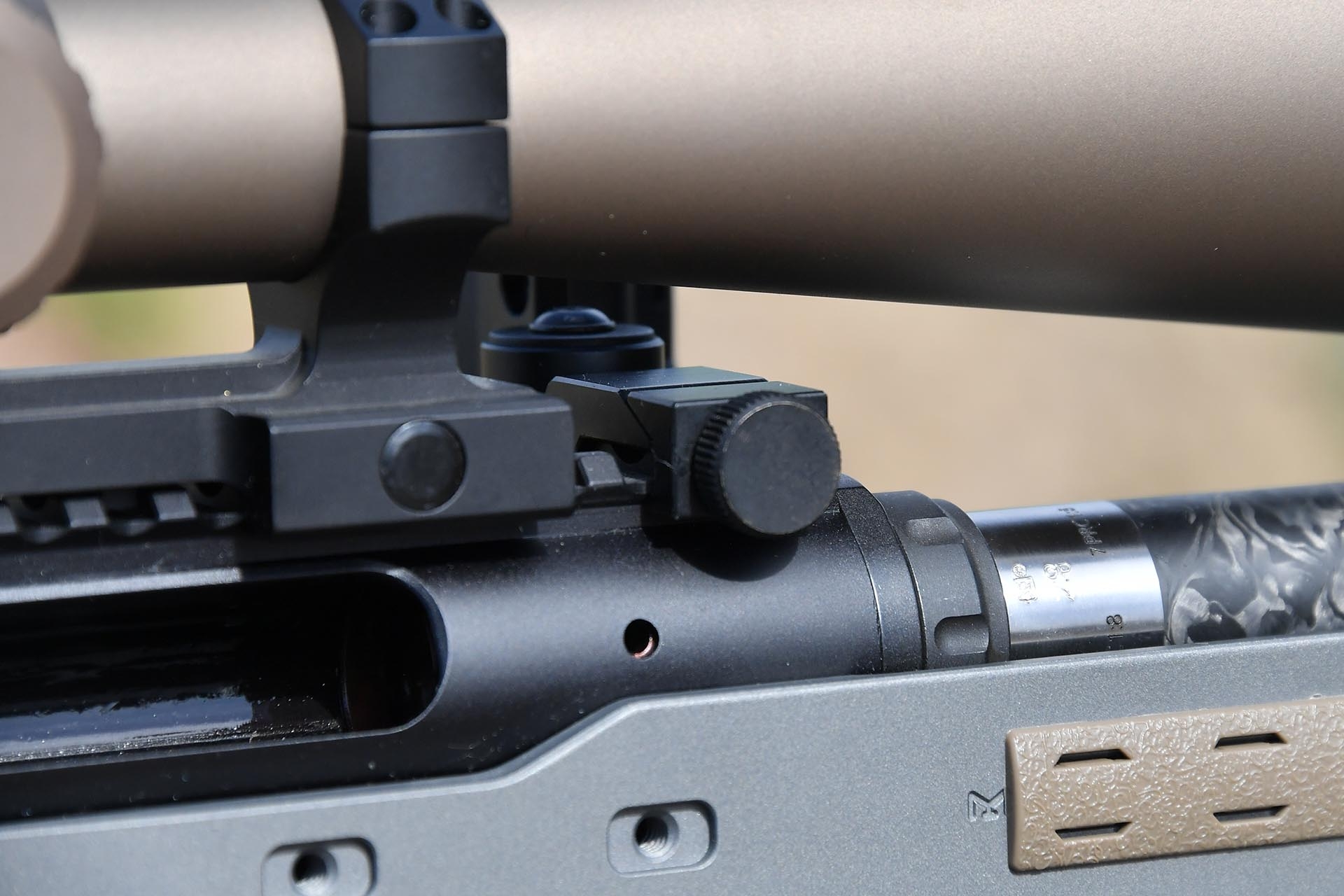
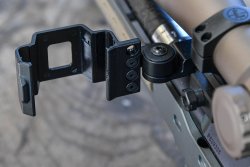
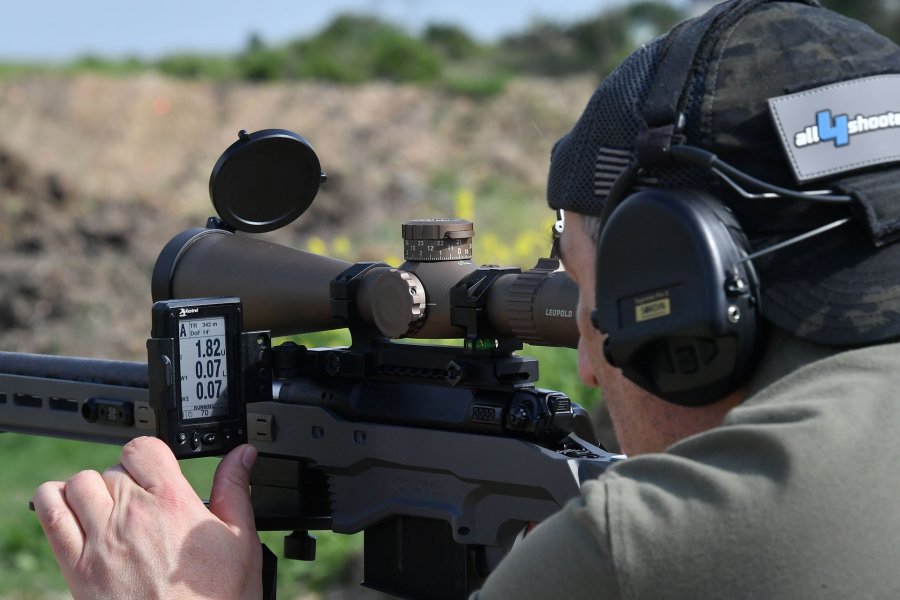
Together with the HUD and the remote, the package includes a 6061 aluminum foldable side mount compatible with the rifle’s Picatinny rail. This places the HUD next to the main optic and allows it to be folded, screen first, against the side of the rifle when not in use. In our opinion, one limitation is that the mount angle cannot be adjusted vertically, which means that screen visibility may be slightly reduced in some shooting positions or rifle setups.
The HUD connects wirelessly via Bluetooth LiNK to Kestrel 5700 Series meters and displays in real time the ballistic solutions calculated by the meter. The system works at distances of up to 100 feet (30 meters), which also allows the Kestrel to remain in the best position for accurate environmental measurement, especially for wind speed and direction.
The available functions are extensive. The HUD can display real-time firing solutions for up to ten different targets in a stage, either one at a time or all ten together. It can also show a complete DOPE card downloaded from the Kestrel 5700 ballistic meter. The information can be displayed in a large-font mode for improved readability.
If a spotter is present, and the target parameters such as distance and inclination are not known in advance, the spotter can measure and update the shooting data, with the HUD immediately displaying the revised solutions.
The firing solutions are updated in real time according to the weather data measured by the Kestrel 5700 and then shown on the HUD. If the wind suddenly changes, for example, the ballistic solution displayed on the screen changes in real time as well. In PRS or NRL Hunter competition, especially when the target distances for a stage are available in advance, the shooter can program the stage solutions and start an on-screen timer to help manage the time available for each stage.
It should be remembered that the Kestrel HUD is a proprietary display system. Without a Kestrel 5700 Elite, X or WEX meter with ballistic calculation capability, it does nothing by itself. In that respect, it is rather like a PC monitor.
In the United States, official pricing is $469 for the HUD alone and $519 with the remote. That is not inexpensive in absolute terms, but considering the very specialized role of the device and the additional functions such as the stage timer, the price is entirely in line with its intended use.
The HUD for 5 Series meters is also available as part of the Kestrel 5700 Elite Long Range Shooter Kit, supplied in a waterproof case with tripod and vane mount. At $1,240, it represents a complete long-range shooting package built around the Kestrel weather meter and HUD system.
Technical specifications Kestrel HUD for 5 Series
| Manufacturer | Nielsen-Kellerman |
| Protection Rating | IP67 waterproof |
| Shock Resistance | MIL-STD-810G (Transit Shock, Method 516.6, Procedure IV) |
| Maximum Recommended Recoil | Up to .338 Lapua Magnum |
| Compatibility | Kestrel 5700 Elite/X/WEX weather meters with integrated ballistic solver |
| Power | One AA battery (lithium recommended) |
| Battery Life | More than 80 hours |
| Backlighting | Selectable red or white |
| Dimensions (HUD only) | 57 × 89 × 29 mm (2.24 × 3.50 × 1.14 in) |
| Weight | 185 g (6.5 oz) with mount |
| Notes | Auto shutoff after 15–60 min inactivity; operating temperature 14°F to 131°F (-10°C to +55°C) |
For more information: https://kestrelmeters.com/