
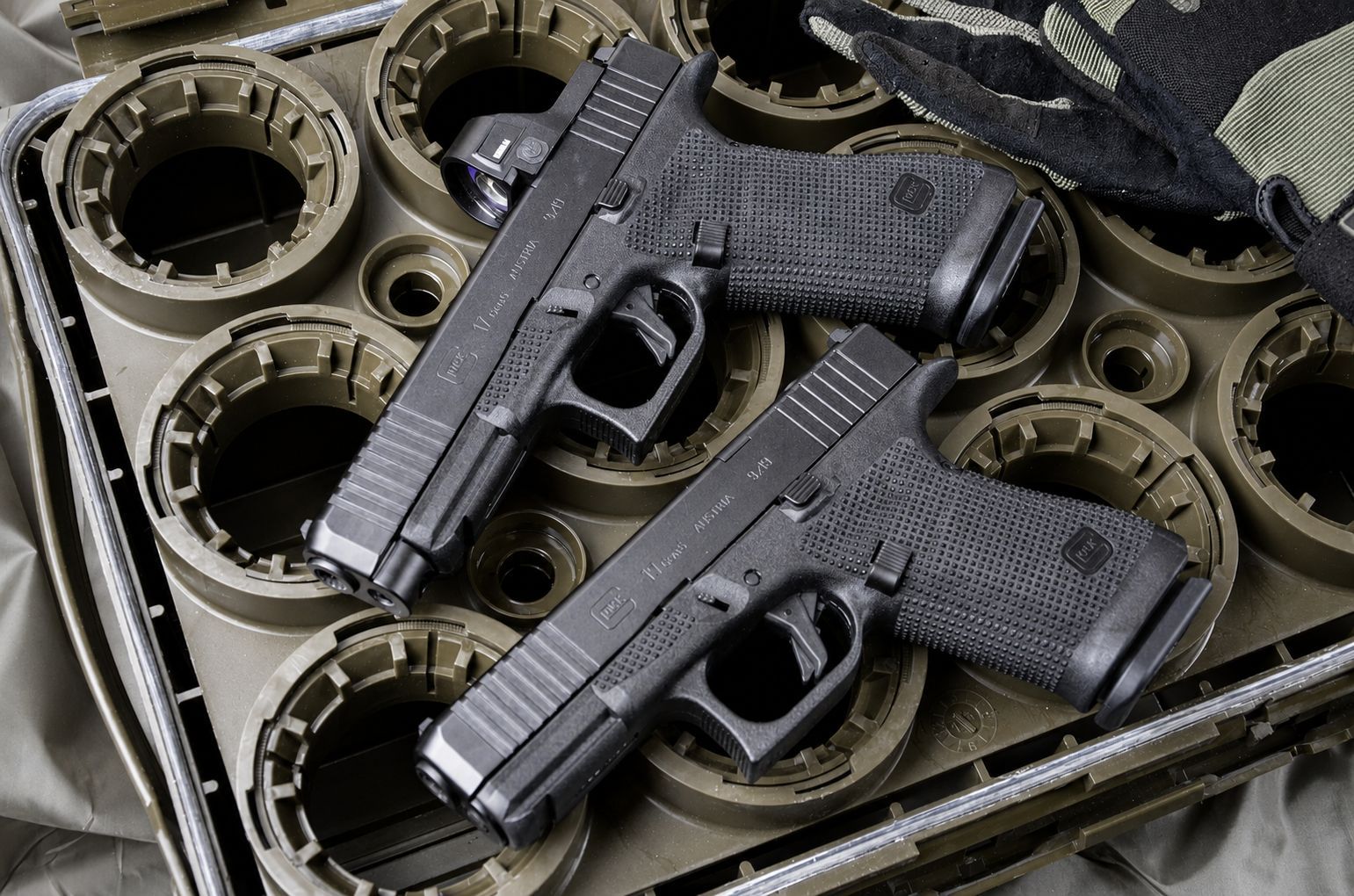
Working on a successful product that already works well and enjoys widespread popularity is always a risky undertaking. It takes very little to upset a winning formula, or worse, introduce a problem that previous versions never had. This is why many manufacturers limit themselves to cosmetic updates that make older models just appear dated while having little practical effect. That is not what Glock has done.
Before moving forward, the engineers in Deutsch-Wagram (Austria) clearly spent considerable time gathering user feedback and studying how end users modify and optimize their pistols. Many of the features introduced on the Gen 6—such as the straight trigger, guard undercut, extended grip texture and other ergonomic refinements—until recently could only be found on aftermarket customized Glocks.
Let's take a closer look at what has changed.
The new Glock Gen 6 frame
The most significant differences between the fifth and sixth generations can be summed up in a single word: ergonomics.
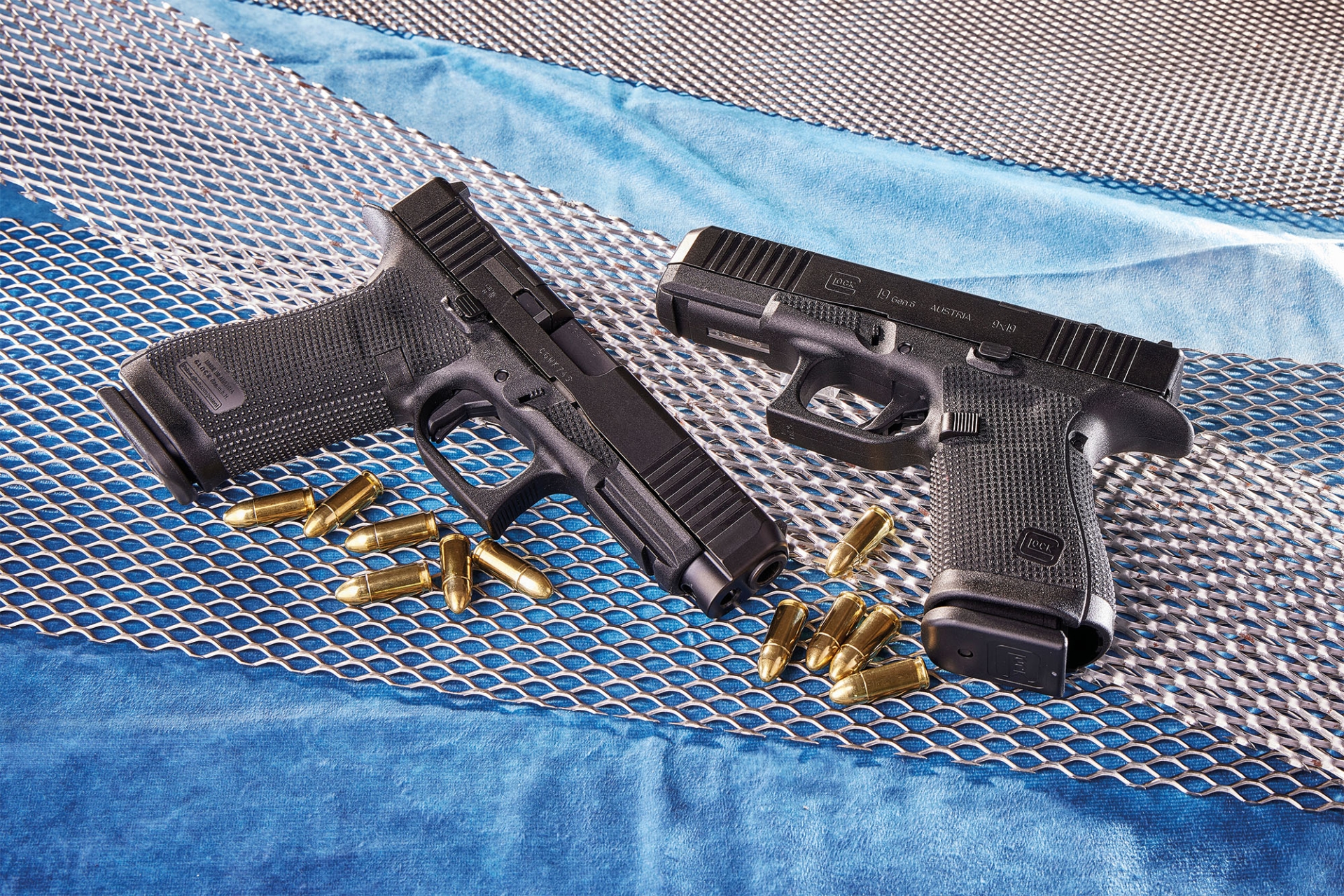
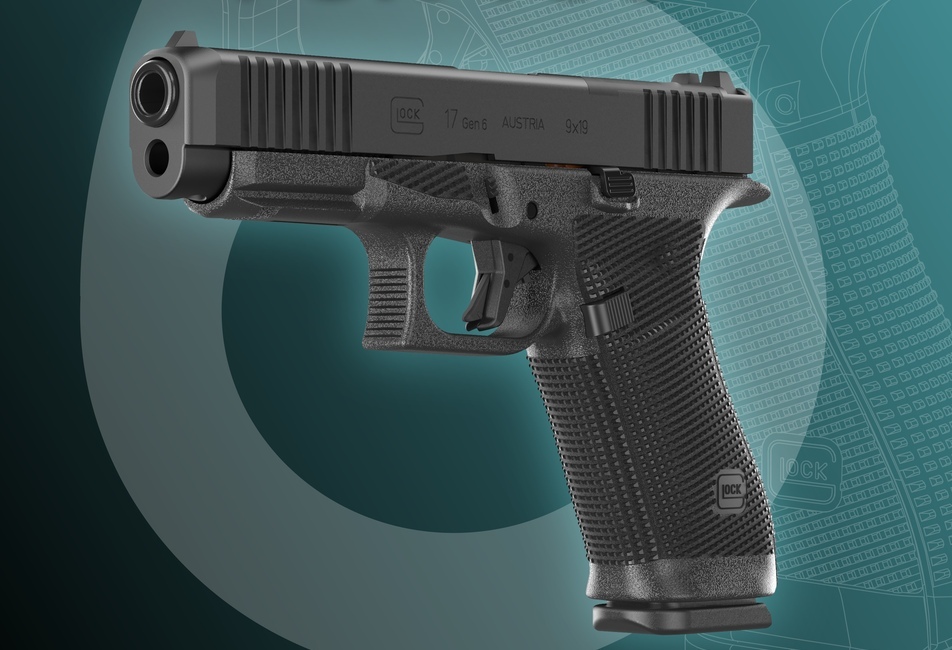
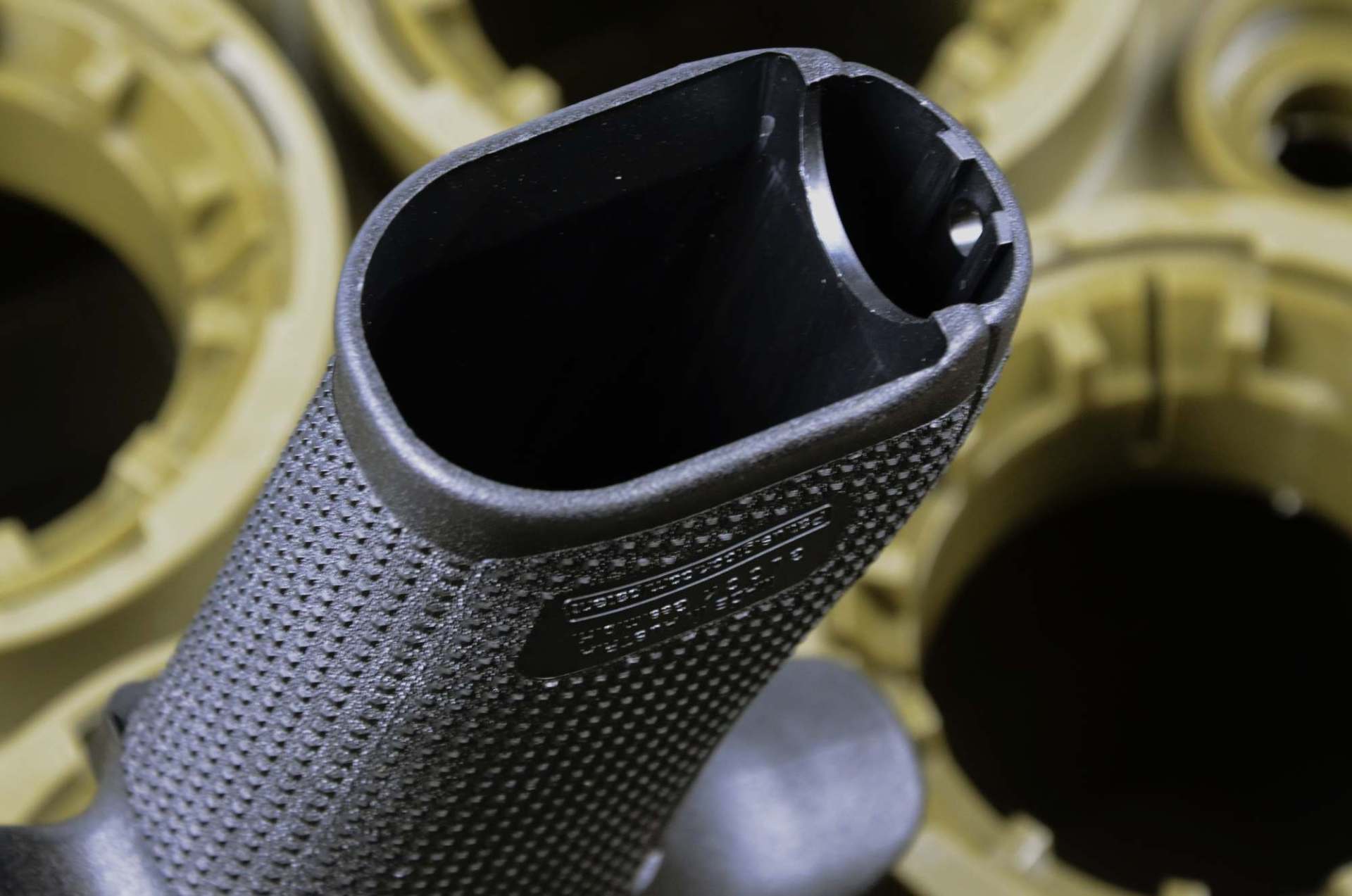
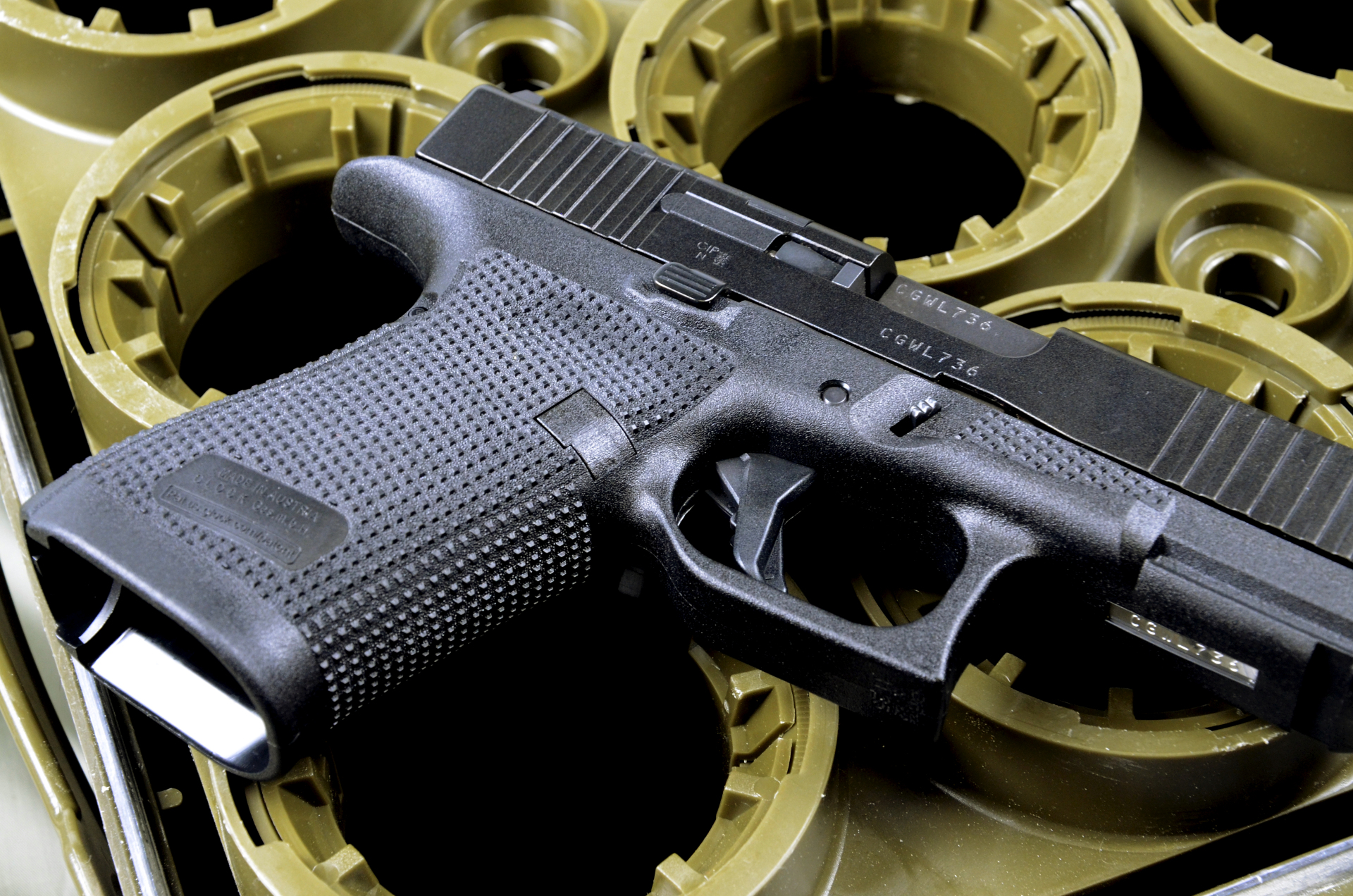
The new polymer frame features a more rounded grip profile, with subtle side palm swells that better fill the hand and grip surfaces covered by a new texture called RTF6. This texture is noticeably more aggressive and significantly more extensive than before.
The modular backstrap system remains unchanged. Shooters can use the pistol without any backstrap installed (Short Frame configuration) or fit the medium and large inserts, which increase trigger reach by 2 and 4 millimeters respectively.
Thankfully, the infamous finger grooves have not returned. While they worked well for shooters whose hands matched their geometry, they proved less comfortable for just about everyone else.
The addition of a more pronounced undercut where the trigger guard meets the frame allows the shooter's middle finger to sit higher on the grip, lowering the bore axis and helping mitigate the phenomenon commonly referred to as "Glock knuckle"—the discomfort some users experience from the trigger guard contacting the knuckle of the middle finger during recoil.
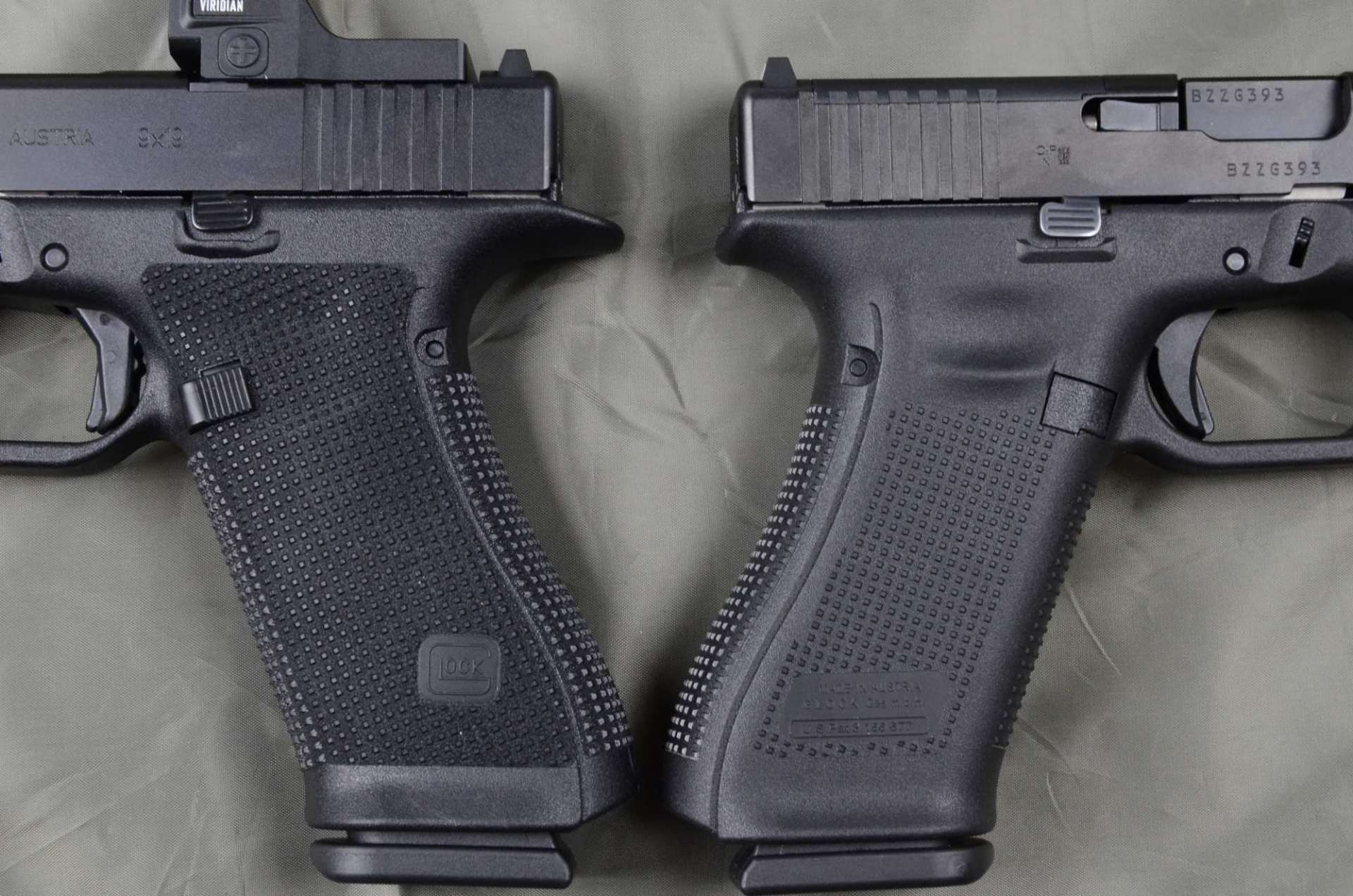
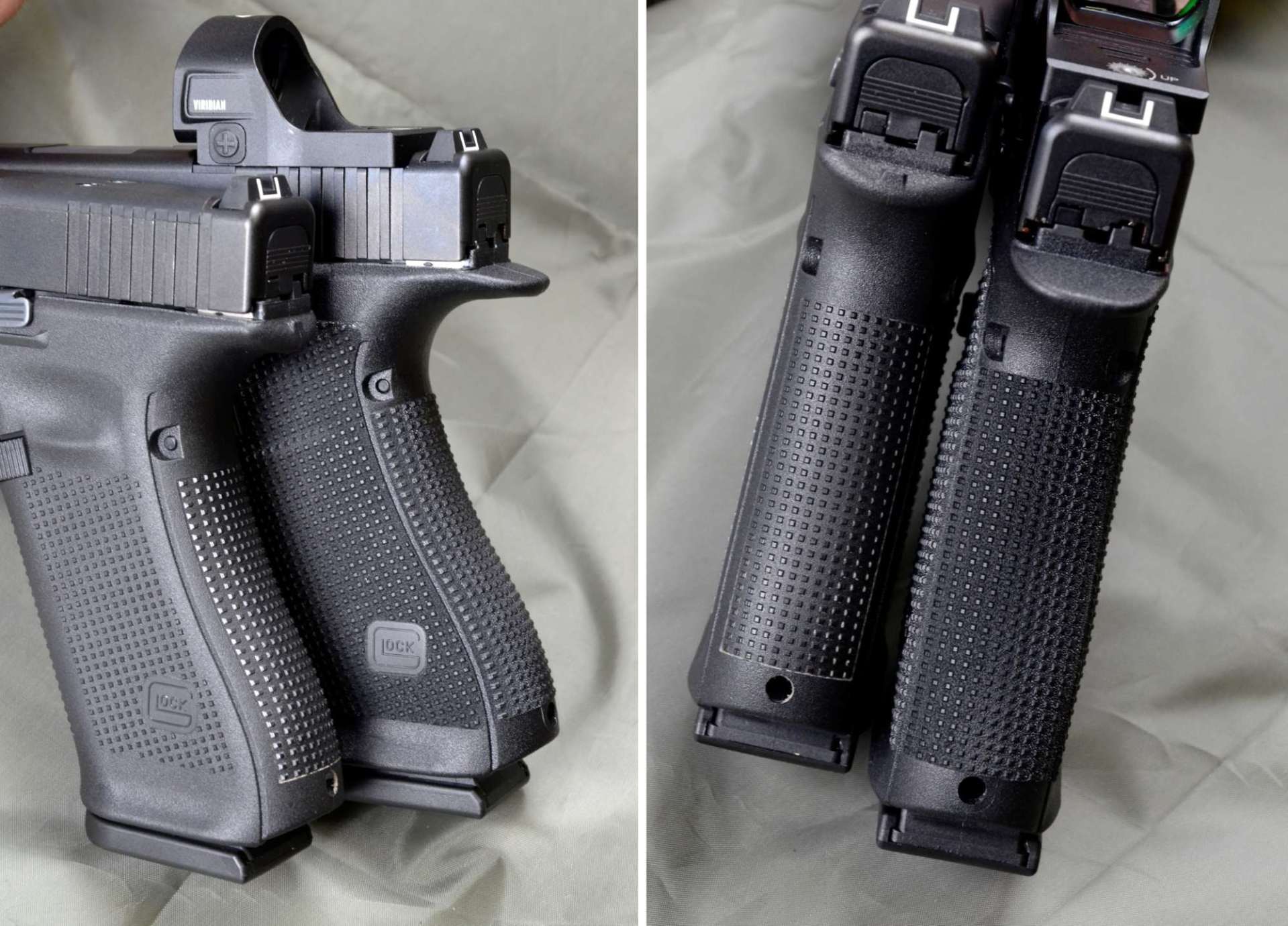
The new extended beavertail, the portion of the frame that extends rearward over the web of the hand, further promotes a higher grip. The benefits are obvious: improved recoil management, faster sight recovery and additional protection from slide bite, particularly for inexperienced shooters.

Another important addition is the so-called "gas pedal", an ambidextrous textured thumb rest designed for the support hand. It provides additional leverage and control during firing and will benefit both experienced shooters and newcomers who are often unsure where to place the thumb of the supporting hand.
Looking at the controls, the magazine release remains reversible, while the ambidextrous slide stop lever now features additional fencing compared to the Gen 5, further reducing the possibility of accidental activation.
The magazine well opening has also been enlarged, making faster and more reliable reloads under stress easier.
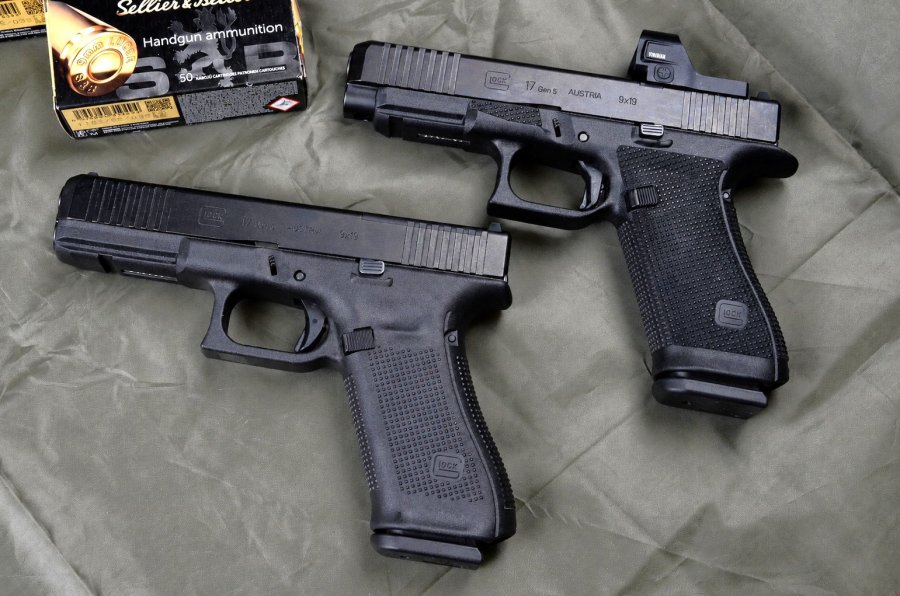
As expected, the dust cover still integrates an accessory rail for mounting tactical lights and laser aiming devices. Comparing the Gen 5 and Gen 6 Glock 17 side by side reveals another subtle difference: the Gen 6 dust cover is shorter, allowing the same frame to be paired with either the long or short slide assemblies.
Slide
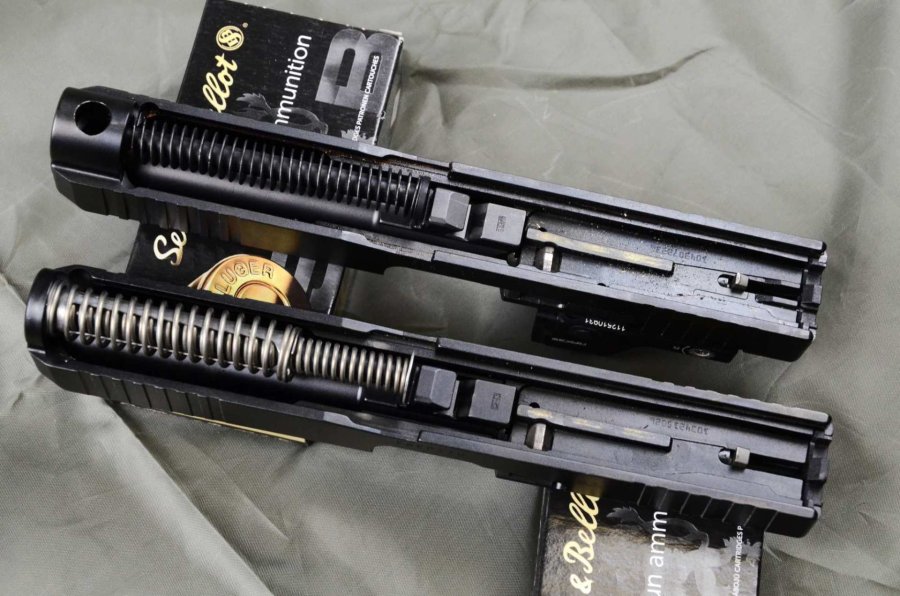
The slide has also received several updates, the most obvious being the new optics cut interface.
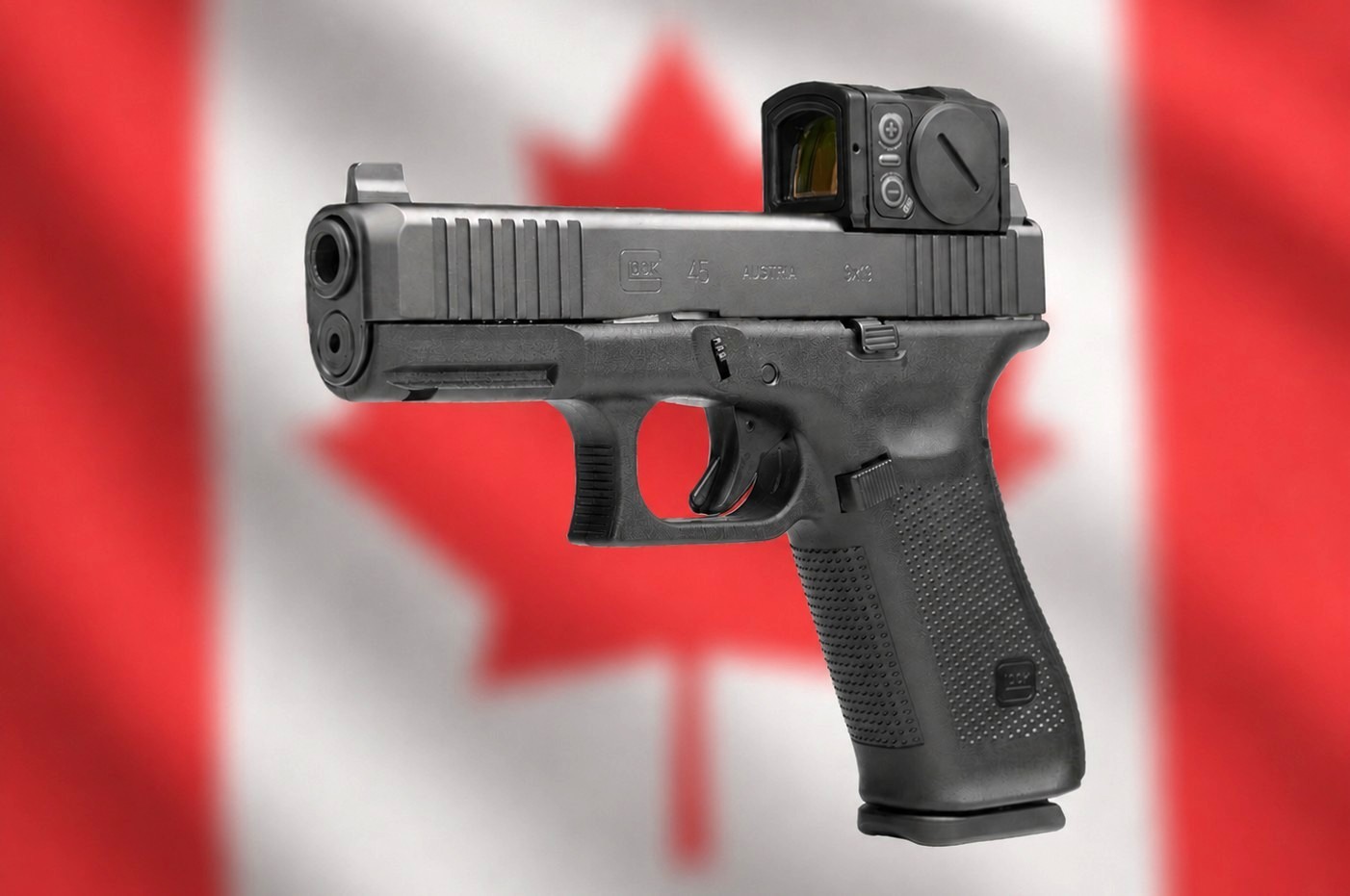
Previously, buyers had to specifically select MOS (Modular Optic System) models. The Gen 6 now comes standard with the new ORS (Optic Ready System), which eliminates the need for traditional adapter plates. Instead, a thin polymer interface is used while the optic itself mounts directly to the slide. The result is a stronger, lower and more durable mounting solution.
At launch, three interface options are available: one for Trijicon, Holosun (excluding the 509 series) and Ameriglo optics; a second for C-More; and a third for Leupold and EOTECH footprints.
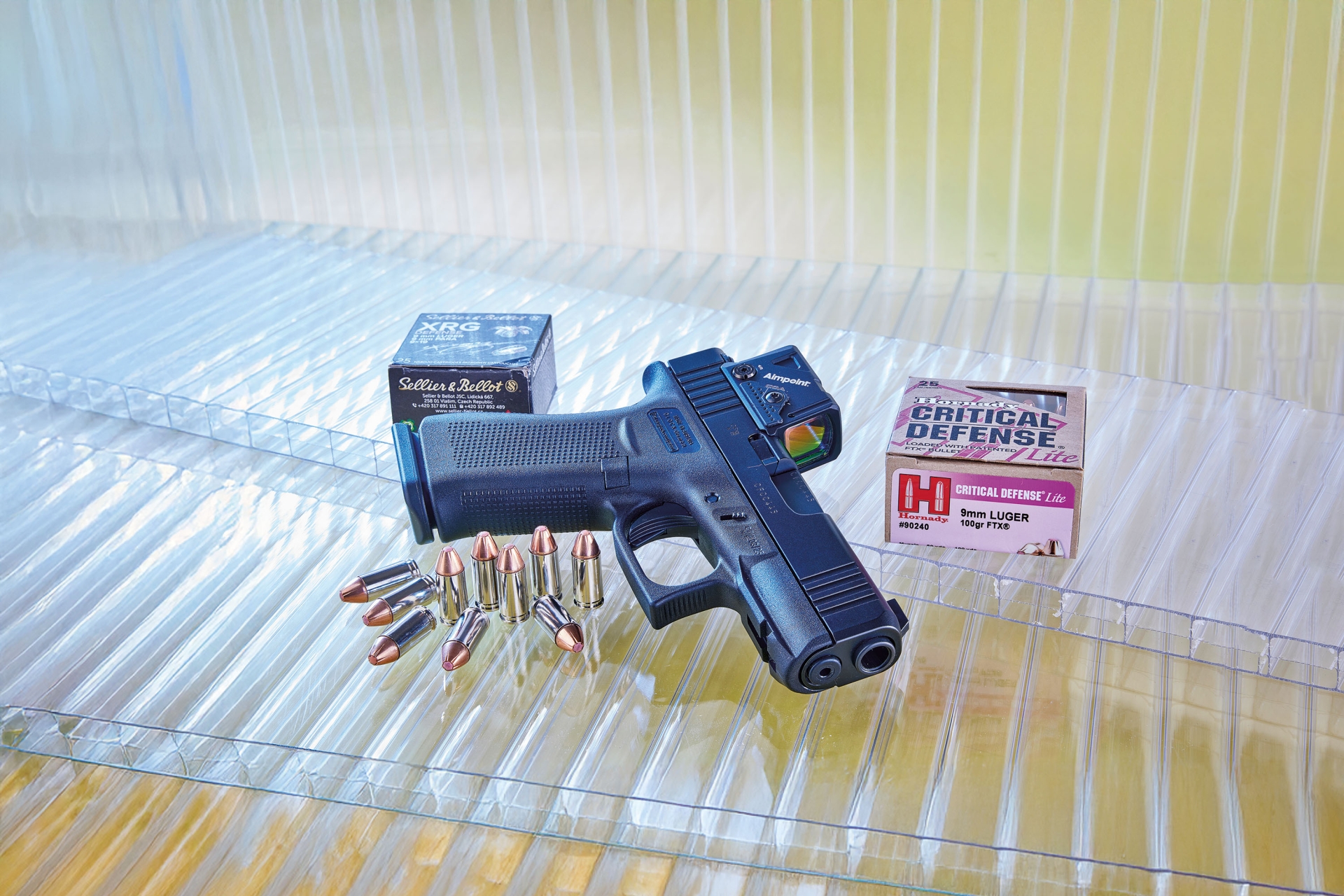
Alternatively, Glock also offers COA variants supplied from the factory with an Aimpoint red dot already installed.
The front slide serrations have become slightly more aggressive and provide a more secure grip, especially toward the front of the slide. Surface treatment remains the proven nDLC finish introduced on the previous generation, offering excellent protection against corrosion and wear.
Barrel
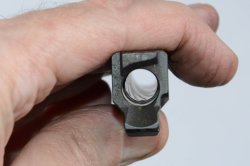
Sixth-generation Glocks retain the Glock Marksman Barrel (GMB) introduced with the Gen 5 series. Featuring a slightly revised rifling profile compared to Glock's traditional polygonal rifling, the GMB is claimed by the manufacturer to provide improved accuracy. The real innovation lies elsewhere: the chamber. For the Gen 6, Glock has adopted a stepped chamber design featuring a subtle constriction toward the forward portion of the chamber.
As is often the case in firearms engineering, the concept itself is not entirely new. Similar solutions have been employed by manufacturers such as Grand Power, Walther and Heckler & Koch, while the original stepped chamber concept is often attributed to Georg Luger himself through a patent dating back to 1910.
What are the advantages?
The slight inelastic deformation imparted to the cartridge case during firing improves gas sealing, producing an effect somewhat similar to that obtained with bottleneck cartridges. Some readers may remember Glock's pistols chambered in .357 SIG.
In practical terms, this should theoretically translate into greater consistency and potentially improved accuracy. More importantly, however, the stepped chamber appears to reduce fouling accumulation and increase tolerance to residue already present in the chamber.
This characteristic is particularly valuable during demanding military and law-enforcement procurement trials, where firearms are often subjected to extended firing schedules without cleaning.
At this point, reloaders may be feeling a slight sense of concern.
Fortunately, while fired cases do exhibit a clearly visible mark left by the stepped chamber, we are currently unaware of any significant issues affecting case reloading and reuse.
The only notable drawback we are aware of is one that reportedly led the German military to abandon the concept on later P-08 Luger pistols during World War II: reduced compatibility with ammunition using cartridge cases made from materials other than brass, such as the steel-cased ammunition widely employed during wartime shortages.
Same Trigger System, Different Trigger Shoe
The trigger mechanism remains Glock's familiar Safe Action System, a partially pre-cocked striker-fired design in which the striker is never fully cocked unless the trigger is deliberately pulled.
No major changes have been made to the mechanism itself.
The most obvious difference is the trigger shoe, which is now straight rather than curved. This reduces trigger reach, benefits shooters with smaller hands, promotes more consistent finger placement and encourages a straighter trigger press.
Trigger characteristics remain familiar and entirely appropriate for the pistol's intended role.
After all, the Glock pistol is designed primarily as a service handgun and must provide an adequate margin of safety in the hands of users with varying levels of training and experience, operating under a wide range of conditions.
Those interested in competition shooting or dedicated range use will undoubtedly continue purchasing customized aftermarket firearms, and we fully expect Glock to introduce a dedicated Performance Trigger as well as additional sport-oriented variants in the future.
For readers newer to the firearms world, it is worth remembering that despite the absence of an external manual safety, Glock pistols incorporate three independent passive safety systems.
The first is the trigger safety itself: a central safety lever that prevents trigger movement unless deliberately depressed.
The second is the firing pin safety, which physically blocks striker movement until disengaged by the trigger bar during intentional trigger travel.
Finally, a third safety mechanism prevents discharge if the pistol is dropped onto a hard surface. This feature is especially important for law-enforcement users and is achieved through the geometry of the trigger bar housing, which prevents the trigger bar from moving downward and releasing the striker unless the trigger has been intentionally pressed.
The fact that all three systems function correctly provided the trigger is not touched reinforces the importance of proper trigger discipline—something that can perhaps best be summarized as keeping that damned finger off the trigger until you actually want to shoot.
It is a fundamental firearms safety principle that unfortunately still deserves more attention than it often receives.
Internal Mechanics
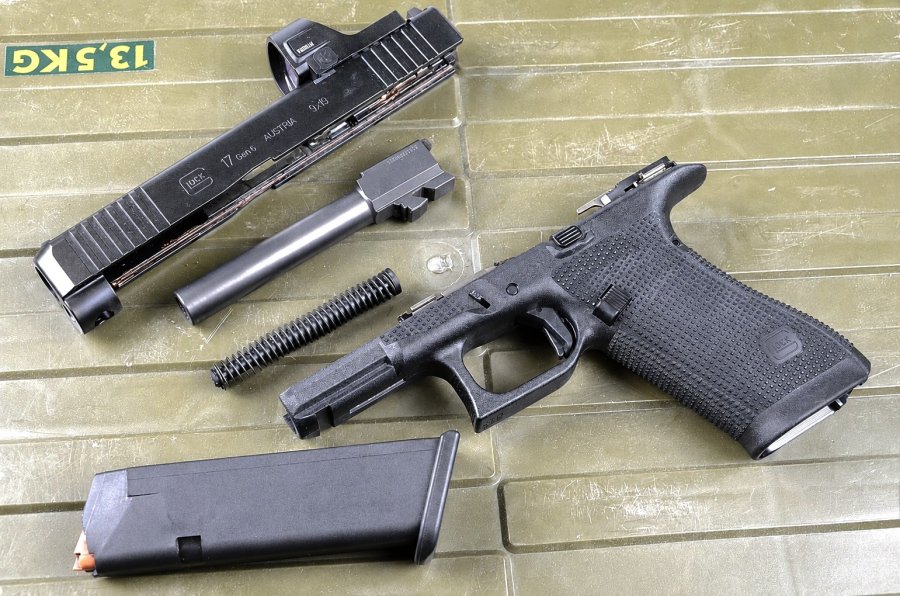
Aside from the trigger system, the Gen 6 incorporates a number of small mechanical changes primarily intended to complicate the installation of illegal full-auto conversion devices, a problem largely confined to the United States and some South American countries.
For European shooters, the practical consequence is simply that some internal components are no longer interchangeable with previous generations.
From an operational standpoint, however, differences compared to the Gen 5 are minimal.
One notable exception is the recoil spring assembly, which transitions from the previous dual-wire spring arrangement to a new single flat-wire recoil spring.
Externally, changes remain limited, to the point that many Gen 5 accessories—including holsters—remain fully compatible with the new generation.
Glock Gen 6 on the Range
After all this technical discussion, we finally get at the most important question: how do the new Glocks actually shoot?
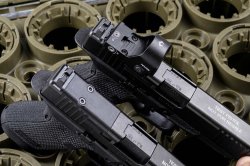
For our test session we had access to a Glock 17 Gen 6 equipped with a Viridian RFX 35 green-dot optic—yes, green rather than red—a Glock 19 Gen 6, and a Glock 17 Gen 5 for comparison.
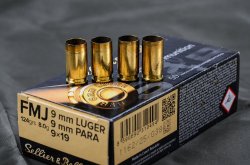
We used 124-grain Sellier & Bellot FMJ ammunition throughout the test. Given the intended role of these pistols, we focused on rapid two-handed shooting rather than attempting to produce the tightest possible groups from a supported position.
All three pistols performed flawlessly.
Primer strikes were consistently strong and well centered, while traces of powder residue on the cartridge cases—present only on those fired through the Gen 5—appear to confirm the effectiveness of the stepped chamber. That said, the practical benefits are likely to be appreciated primarily by institutional users operating under demanding service conditions.
Time spent on the firing line largely confirmed what many shooters already expected.
Glocks worked extremely well before the introduction of the Gen 6, both in terms of reliability and practical accuracy, and they continue to do so today.
Recoil characteristics remain broadly similar. Like the Gen 5, the new pistol is easy to manage from the very first magazine. It points naturally, handles intuitively and does not require an extended learning curve before becoming effective. Mastering the basic principles of safe gun handling is essentially all that is required.
That is exactly what one would hope for in a service pistol.
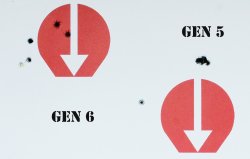
Our range session also reinforced an important lesson, assuming one was needed at all: proper grip technique remains absolutely critical when attempting to achieve the inherent accuracy a handgun is capable of. Modern service pistols are generally capable of delivering more accuracy than most shooters can realistically extract from them.
Having spent considerable time shooting the Gen 5 Glock 17, the author quickly discovered this reality reflected in the targets.
Therefore, if you are about to purchase your first Glock, the conclusion is straightforward: the Gen 6 is the better pistol.
Shooters already accustomed to previous generations, however, may require a brief transition period before fully enjoying the benefits of the new ergonomics. The new grip design is unquestionably superior, but it is also noticeably different.
As always, selecting the right pistol is easier when working with a knowledgeable dealer who allows you to handle different frame configurations and determine which one fits your hand best.
Alternatively, shooters may wish to attend one of the many "hands-on" events regularly organized at shooting ranges by Glock or its distributors, where the new pistols can be tested firsthand.
Available Glock Gen 6 Models
Glock has also taken the opportunity to simplify a catalog that had gradually become overcrowded with too many intermediate variants combining features from the 17 and 19 platforms.
At present, the sixth generation includes just four models, all chambered in 9mm Luger—or eight if the COA versions are counted separately.
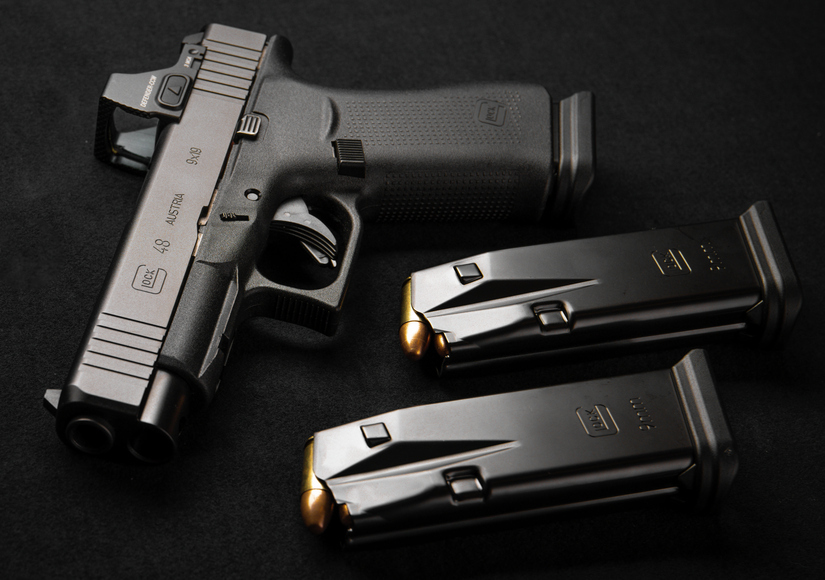
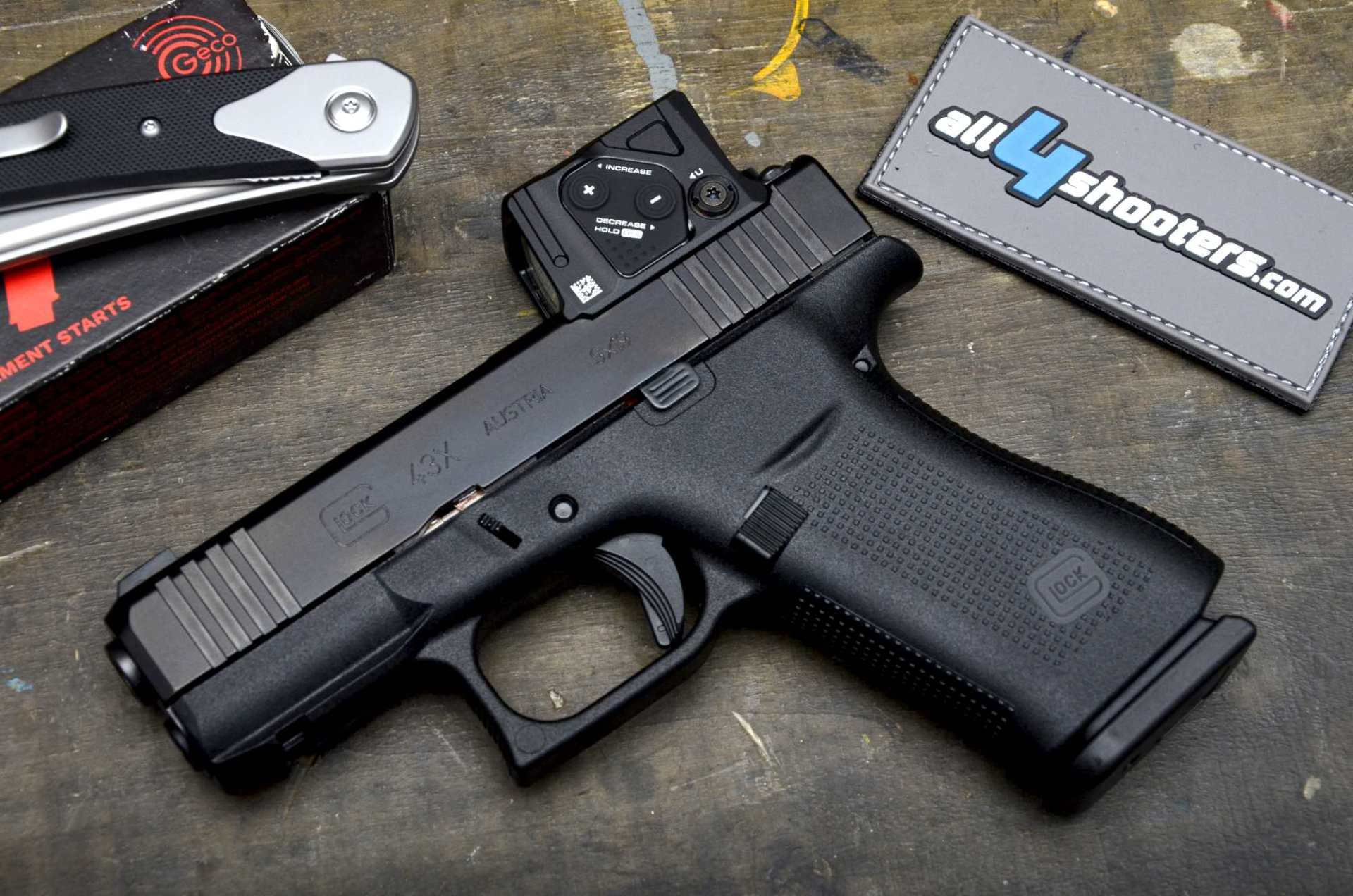
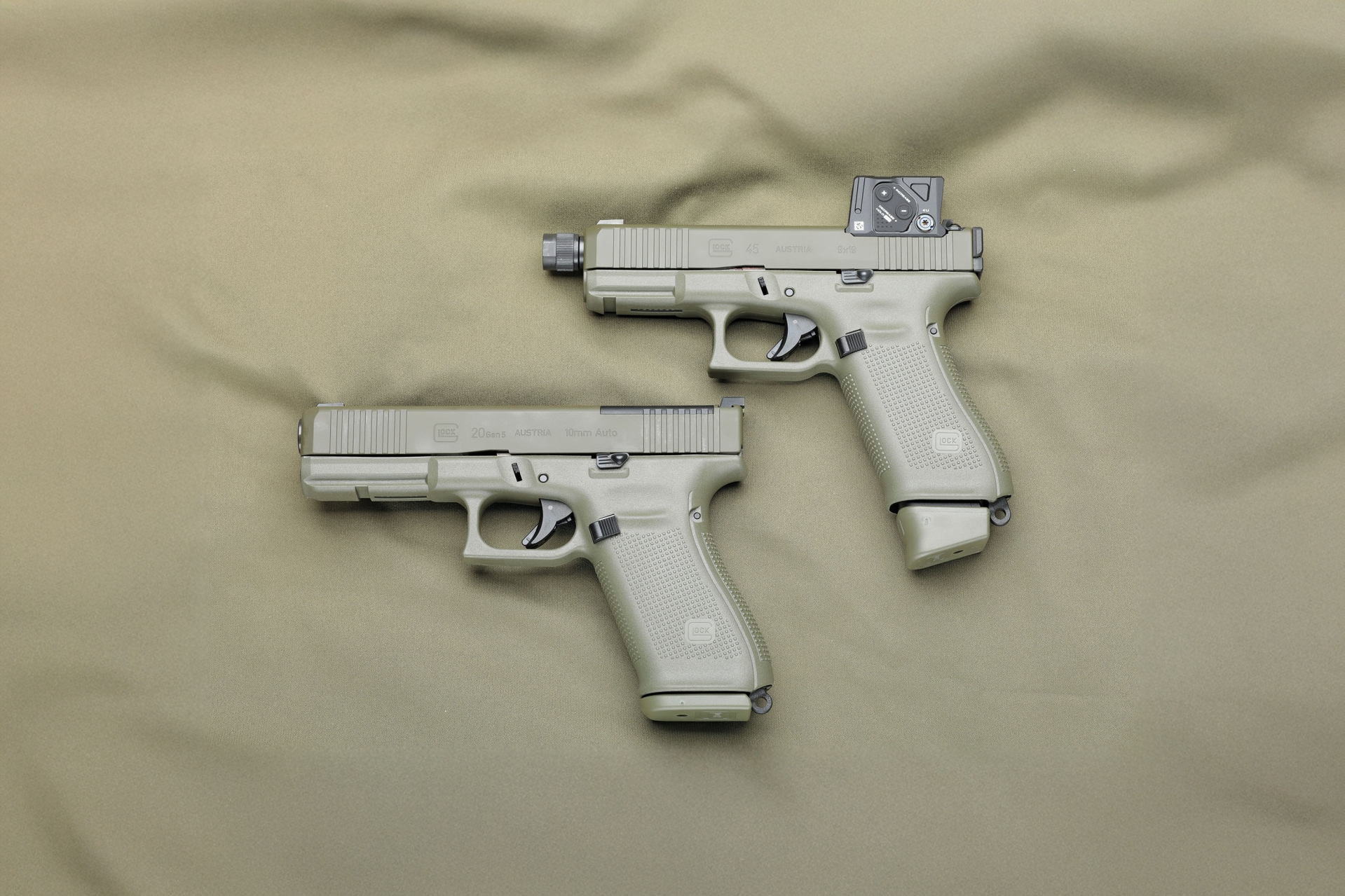
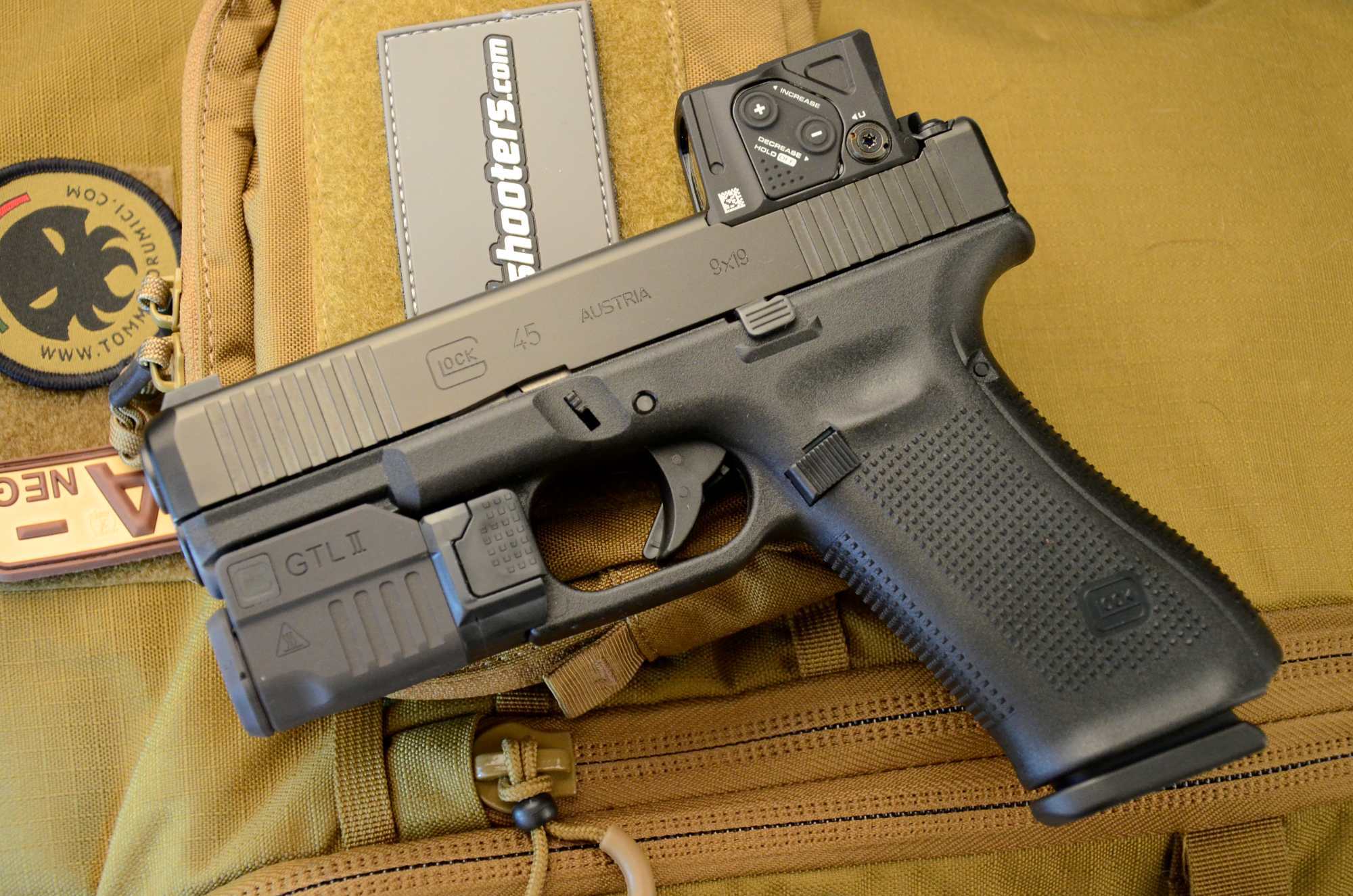
The lineup includes the Glock 17, the company's full-size service pistol; the Glock 19, the compact model intended for professional use and concealed carry; the Glock 45, which combines the full-size frame of the 17 with the compact slide of the 19; and the Glock 49, which does exactly the opposite by pairing the compact grip frame of the 19 with the longer slide assembly of the 17.
Standard magazine capacity is 17 rounds for the Glock 17 and 15 rounds for the Glock 19.
The manufacturer also offers a wide variety of alternative magazines, ranging from 10-round versions for jurisdictions with magazine-capacity restrictions to extended 33-round magazines.
Every Glock Gen 6 is supplied in a hard case containing two magazines, a magazine loading tool, a cleaning kit consisting of a cleaning rod and brush, the owner's manual, interchangeable backstraps and the optic mounting interfaces required by the ORS system.
Watch our short
Glock 17 and 19 Gen 6: technical specifications and pricing
Manufacturer: | Glock Ges.m.b.H | |
Website: | ||
Specification: | Glock 17 Gen 6 | Glock 19 Gen 6 |
Caliber: | 9 mm Luger | |
Overall Length: | 202 mm (7.95") | 185 mm (7.28) |
Barrel length: | 114 mm (4.49") | 102 mm (4.02) |
Width: | 34,4 (1.35") | |
Height: | 139 (5.47") | 128 mm (5.04) |
Standard magazine capacity | 17 rounds | 15 rounds |
Weight without magazine | 600 g (21.16 oz) | 570 g (20.11 oz) |
Weight with loaded magazine | 680 g (31.39 oz) | 825 g (29.10 oz) |
Standard magazine weight | 80 g (2.82 oz) | 70 g (2.47 oz) |
Trigger pull | 26 N | |
| MSRP | 909 euro | 919 euro |