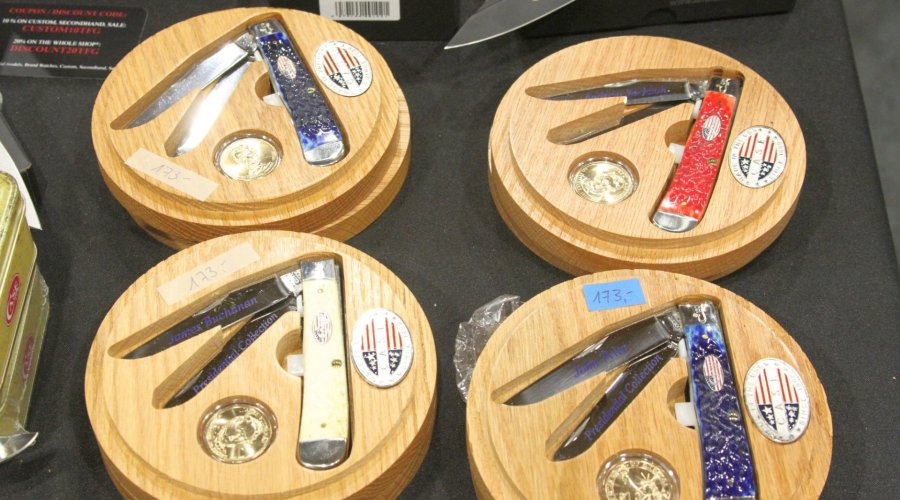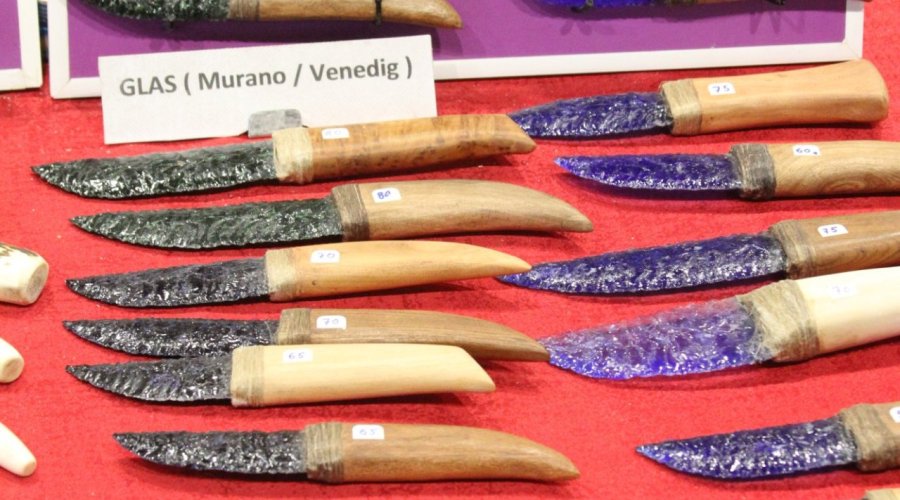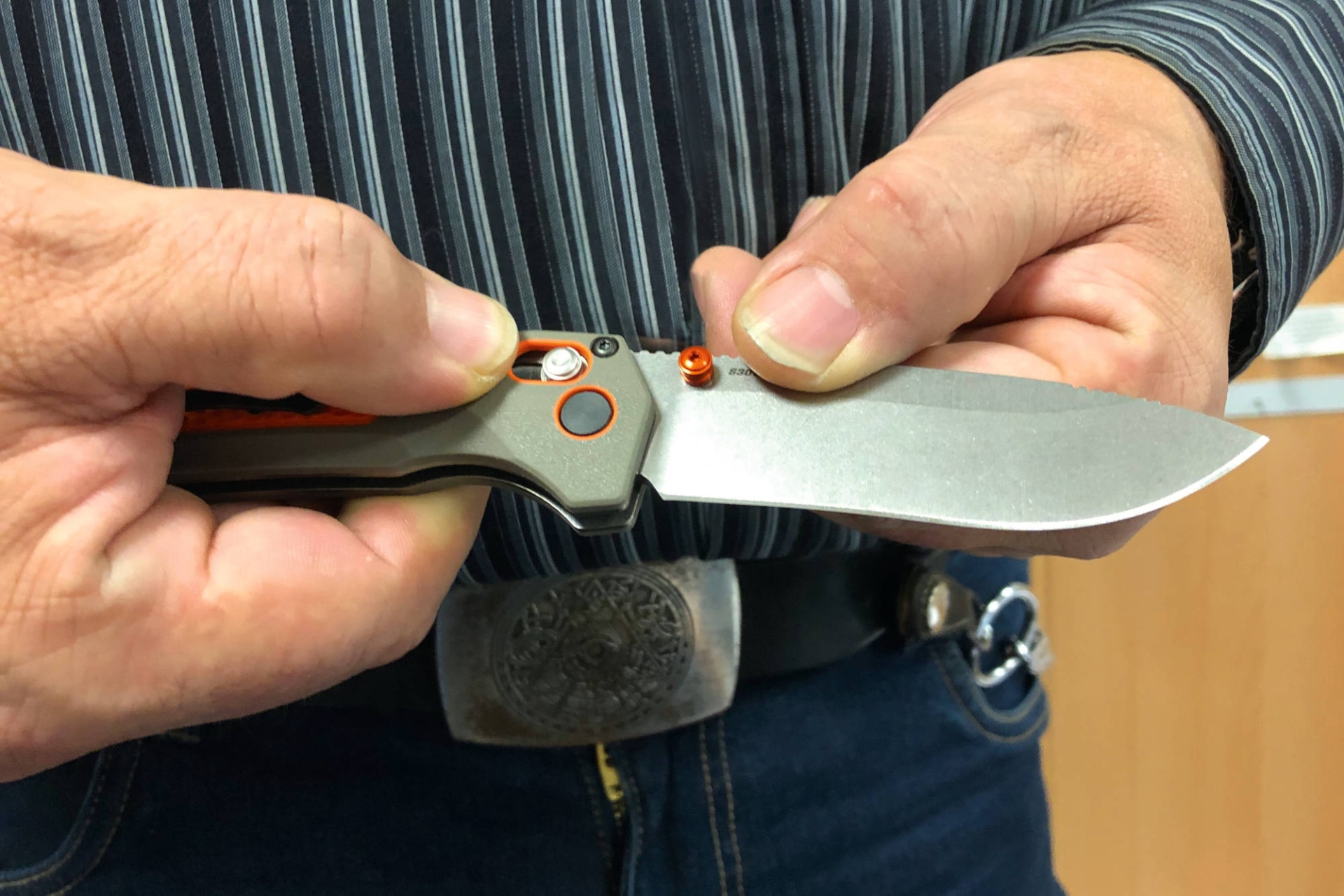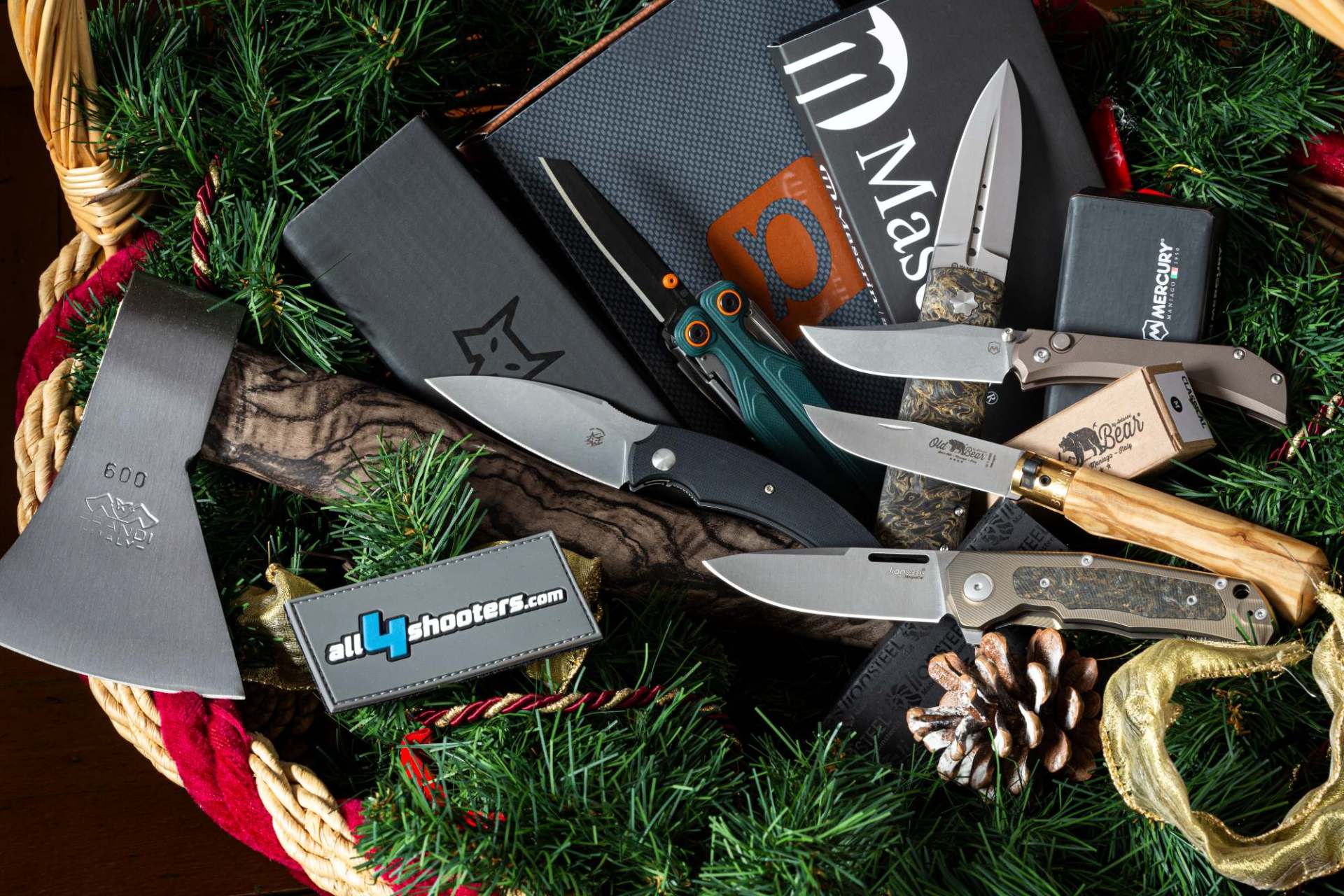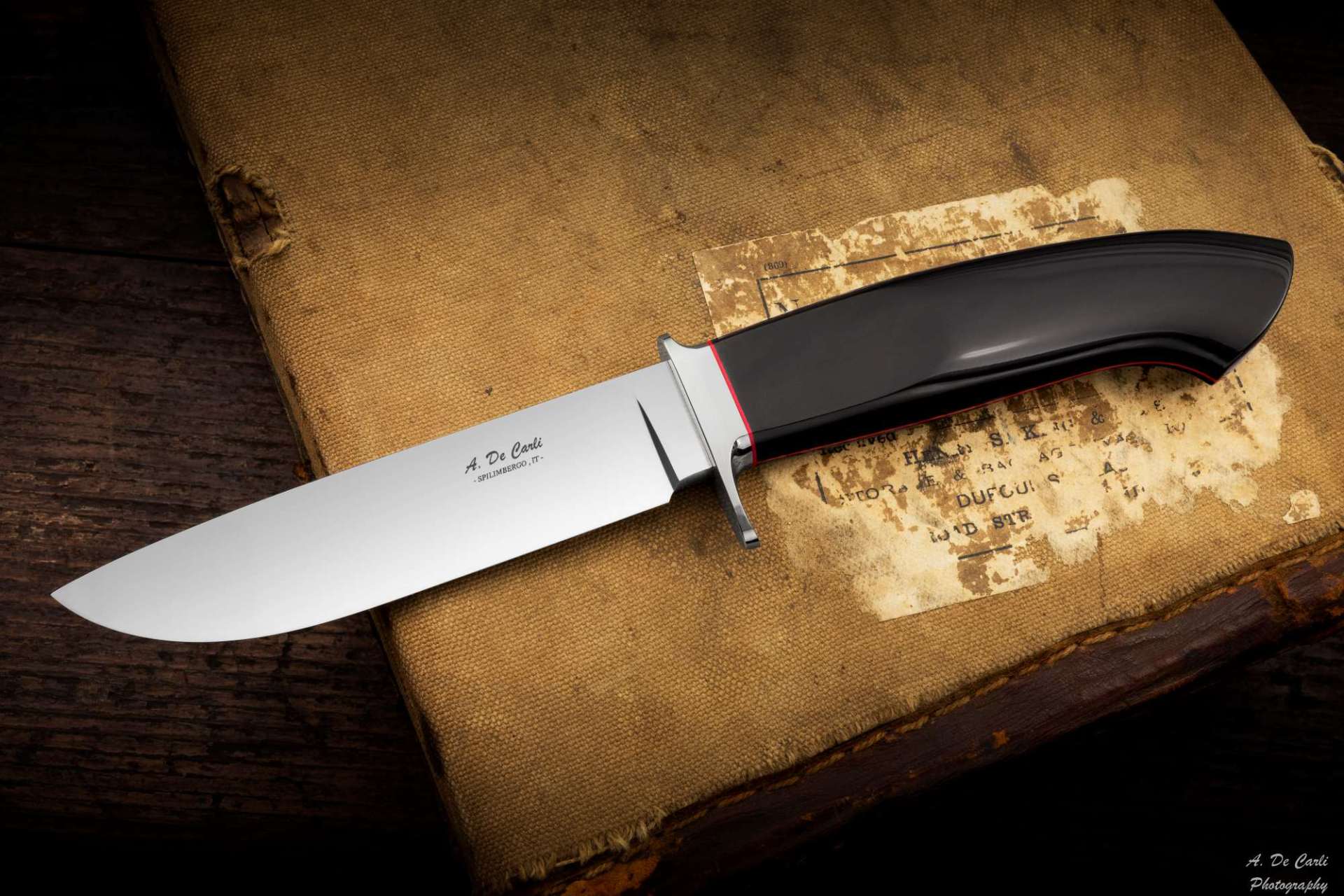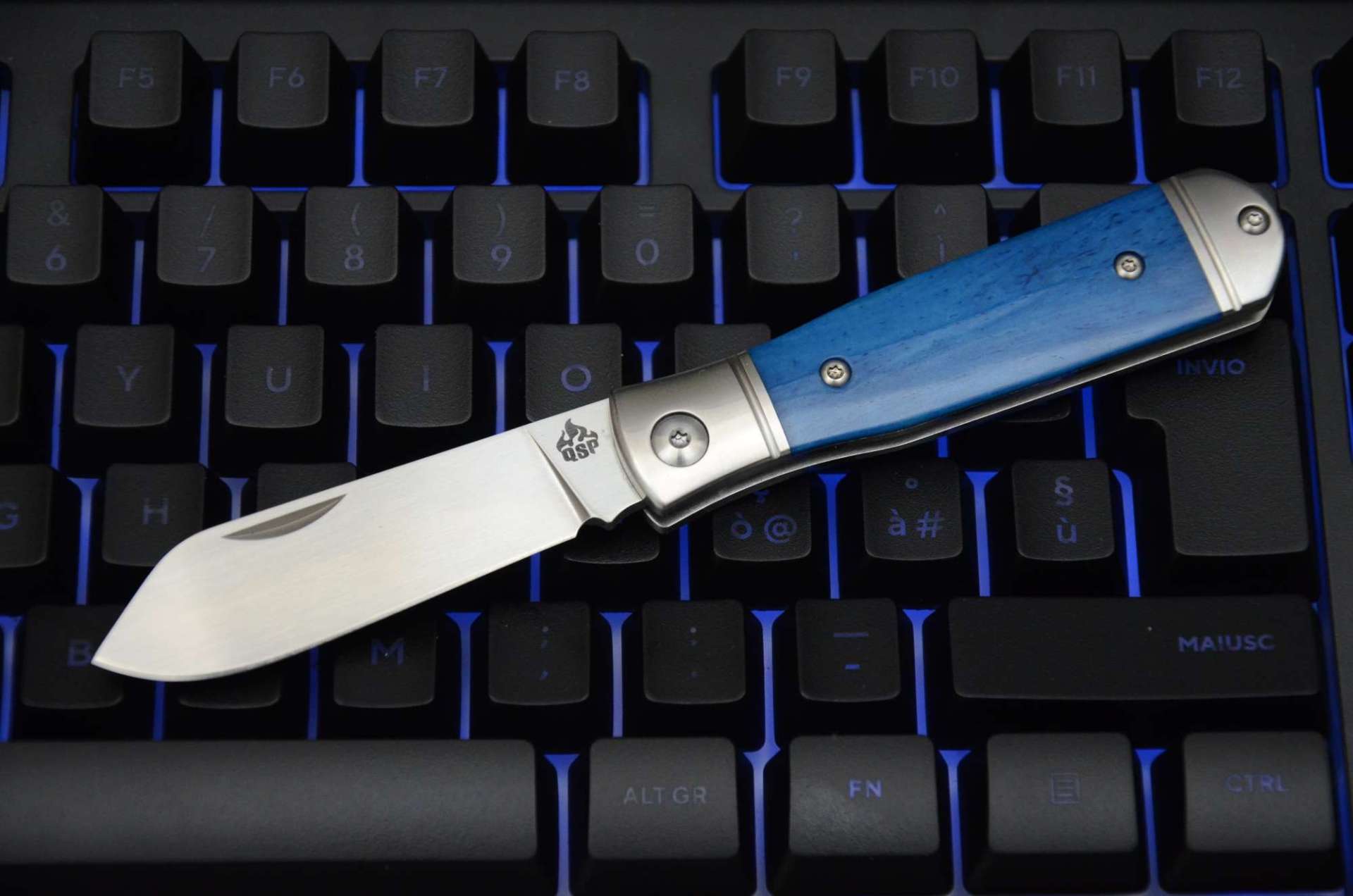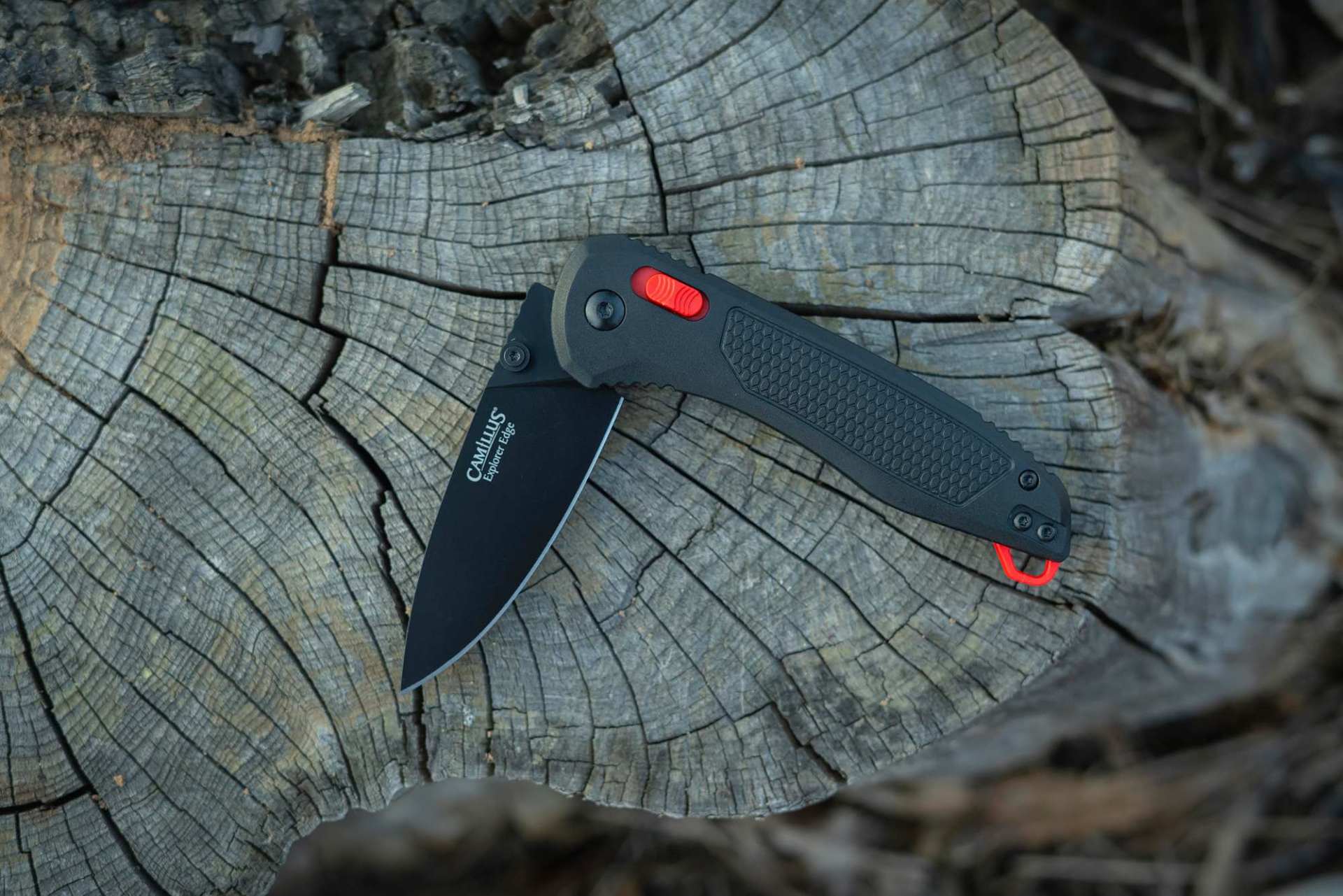

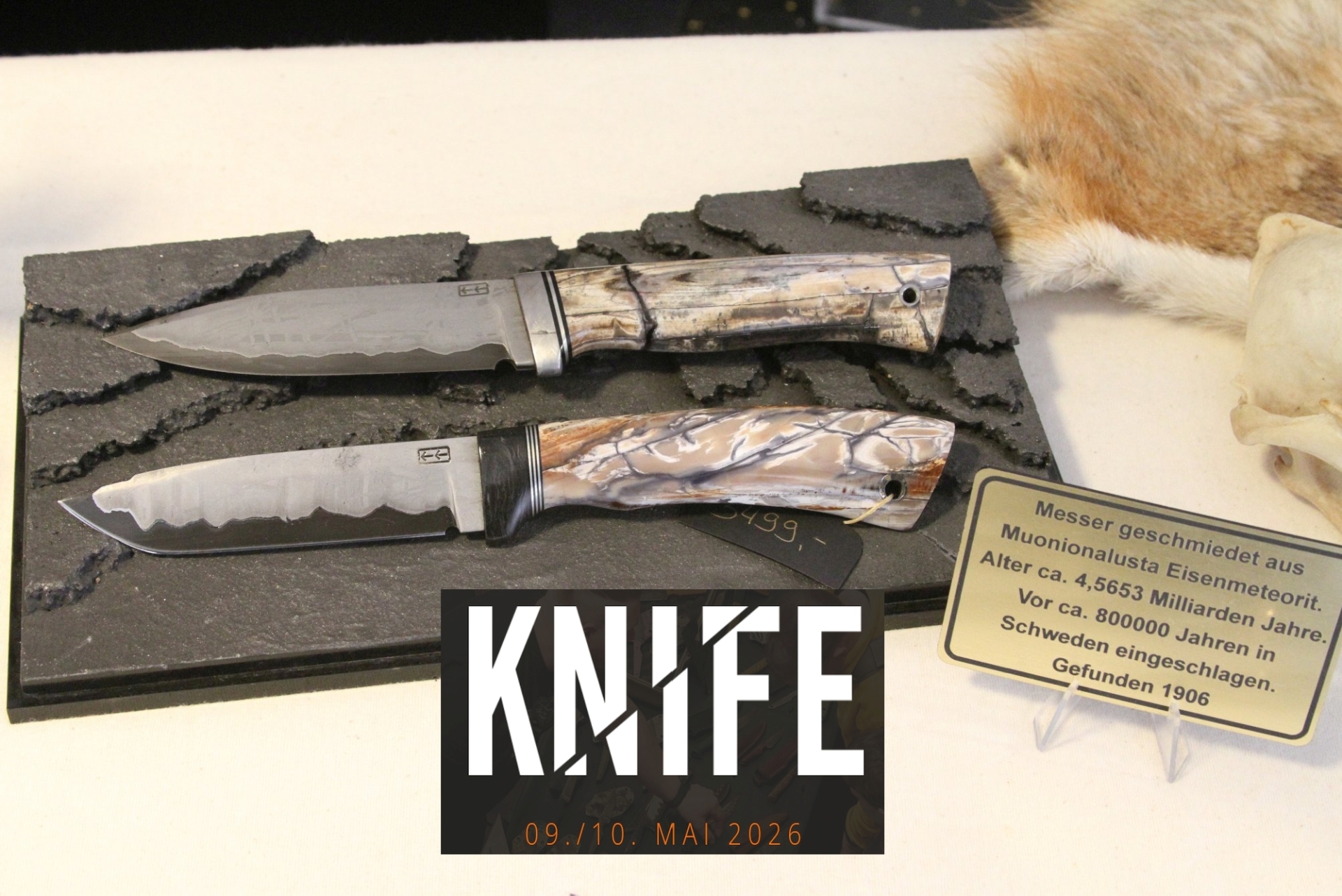
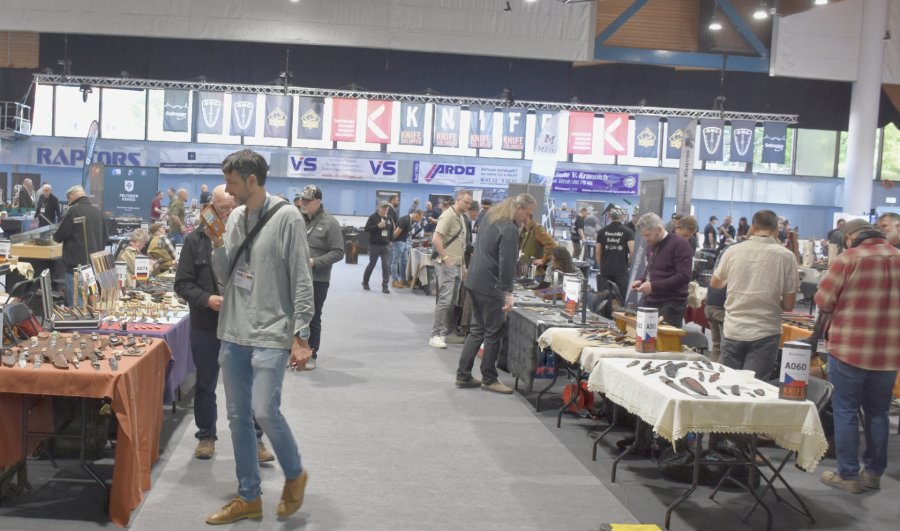
After a year's break, KNIFE, the annual knife consumer exhibition, was once again held in Solingen on 9 and 10 May, now in the ice rink, where the space available is intended to accommodate the growing number of exhibitors and visitors. Of course, expansion was no longer possible in the cramped aisles of the former venues such as the German Blade Museum and the elegant theater of the "City of Blades". More space, as soon became clear from the registrations received before the start (a good 250 exhibitors from 28 nations), does not necessarily mean enough space: a large exhibition tent was therefore erected parallel to the long side of the hall, in which a good 50 of the exhibitors displayed their jewels – from modern folding knives to historical-looking daggers and swords, to materials for DIY knife making, from Damascus steel to handle scales and sharpening tools. In between was the catering area, with plenty of choice and free sunshine, but those who had not just entered the trade fair via the tent area and the side entrance did not necessarily discover these tent exhibitors on their own (the sanitary facilities were also rather "rustic" compared to the theater). However, the shuttle bus service between the spacious car park and the hall and on to the Blade Museum, which as always was involved with its own activities, ran smoothly. At the end of the two-day Knife 2026, the organizers reported a respectable result with a total of 3,000 visitors.
KNIFE 2026: Is the mix of custom knifemakers, specialized knife dealers and industrial production right?
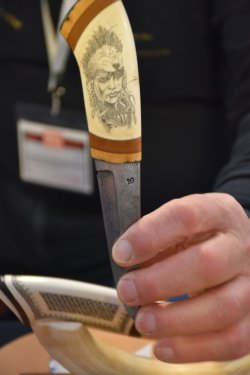
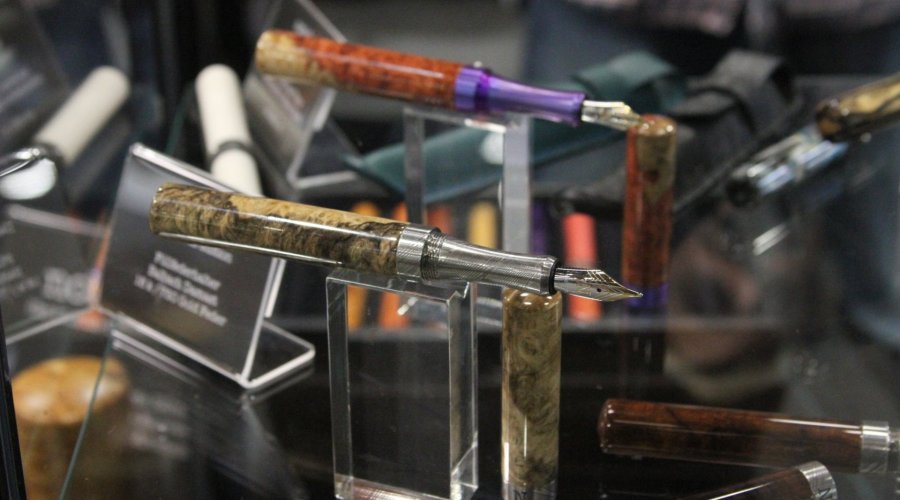
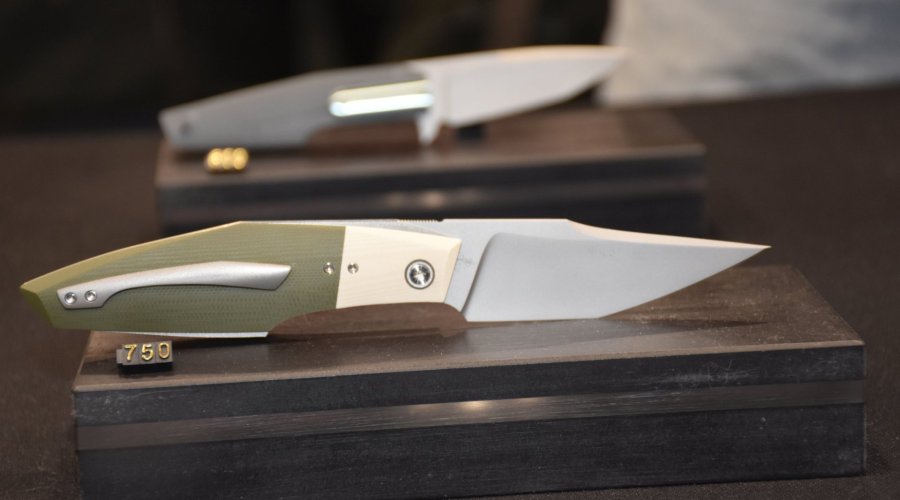
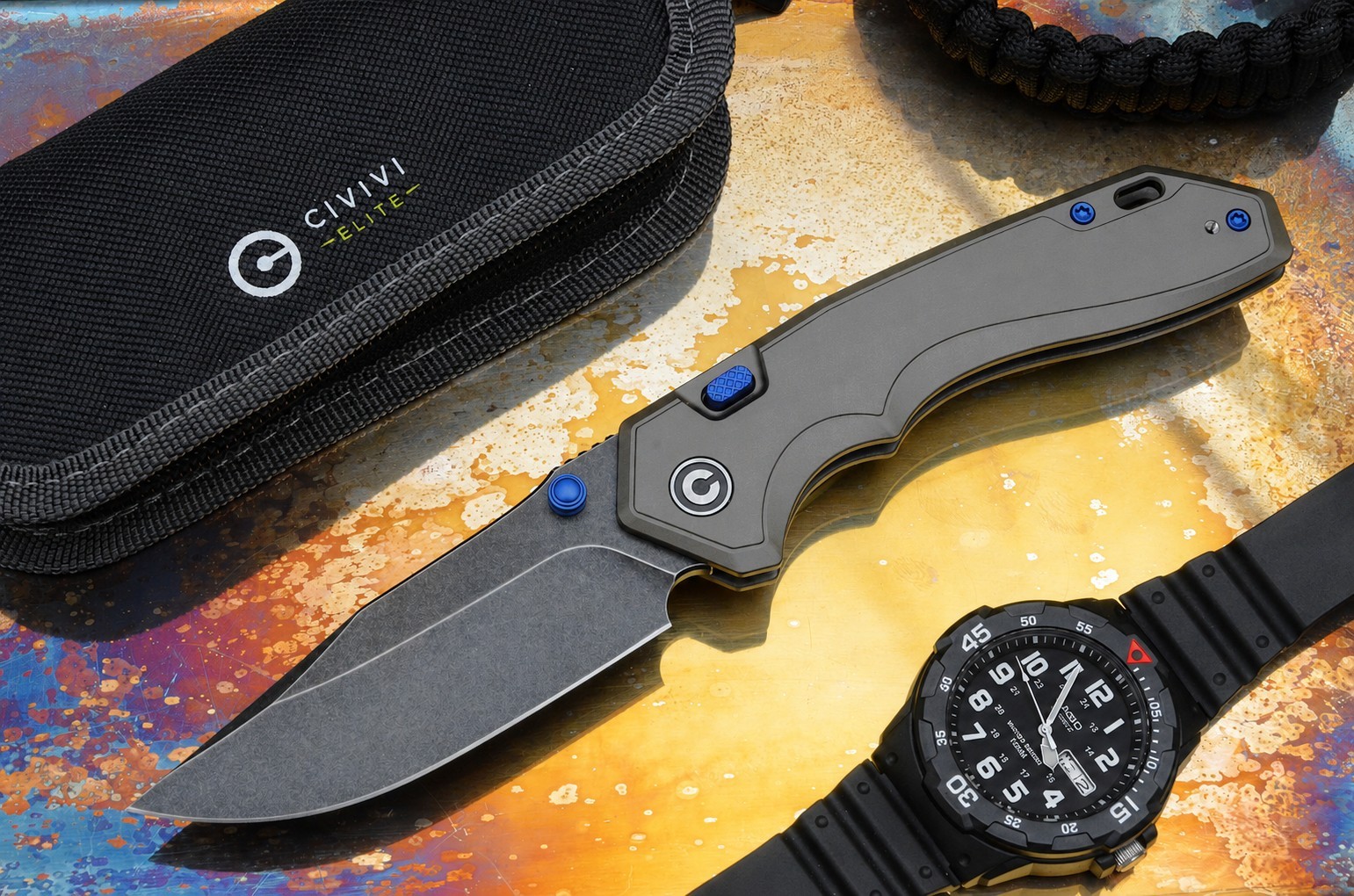
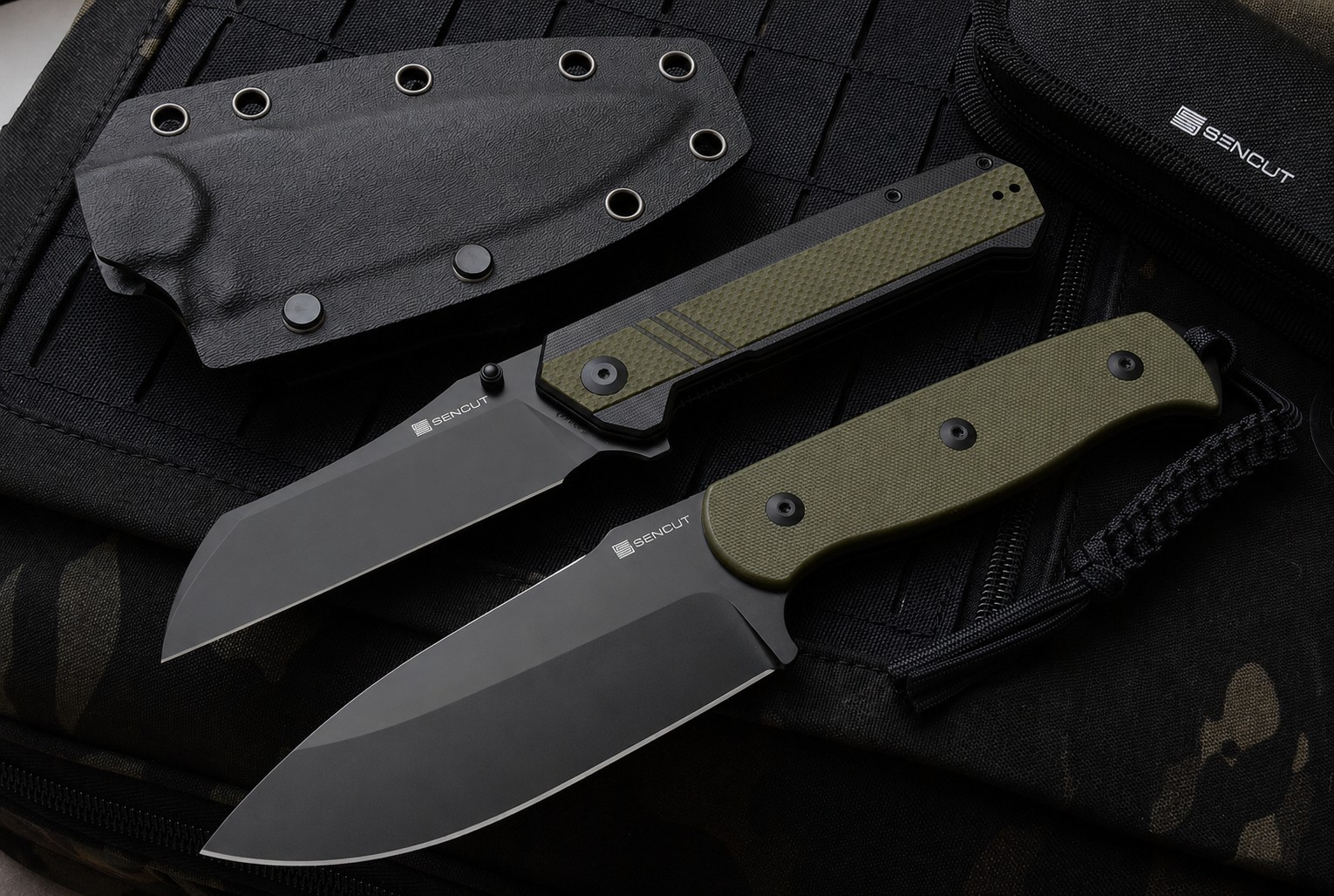
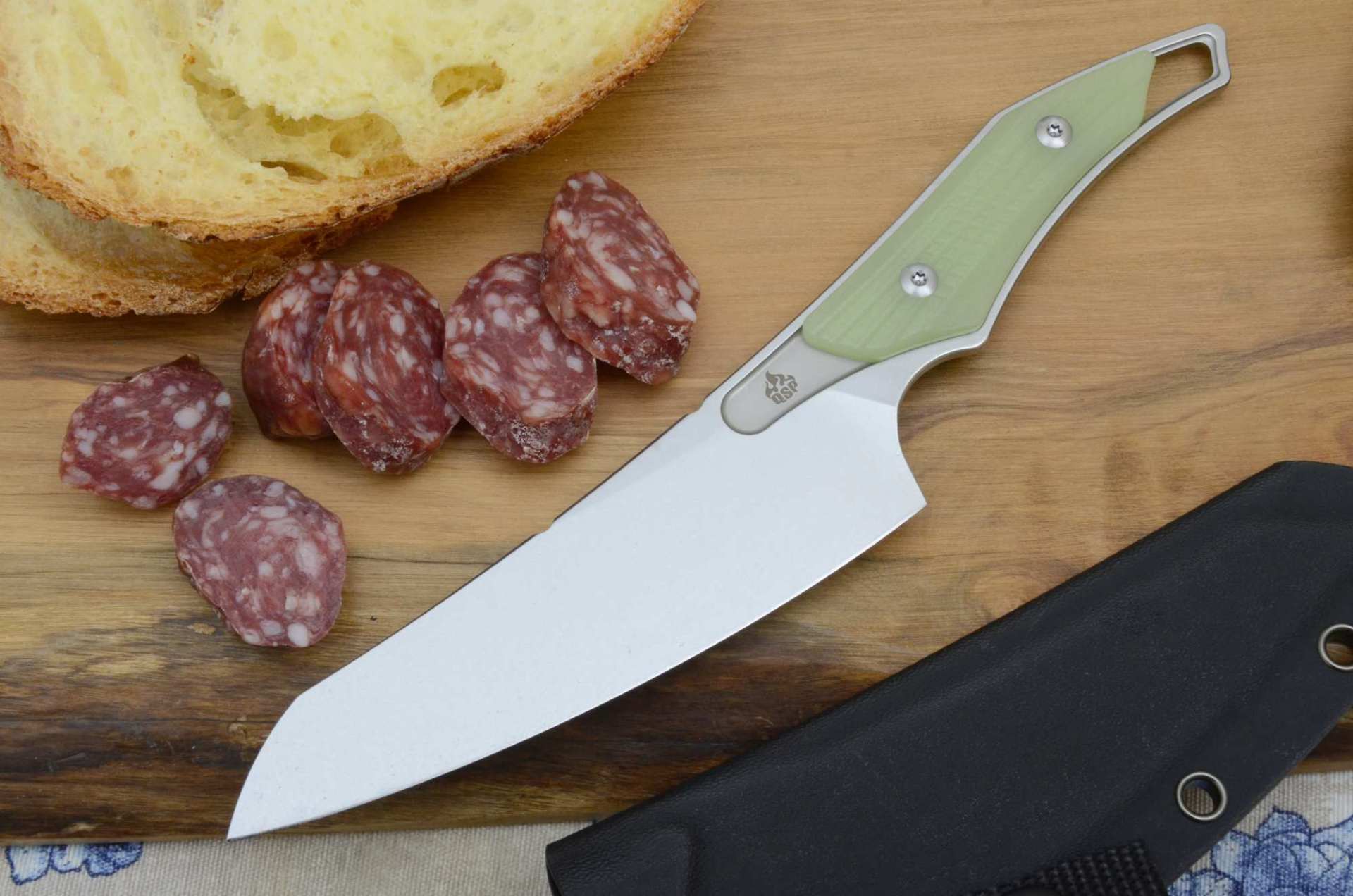
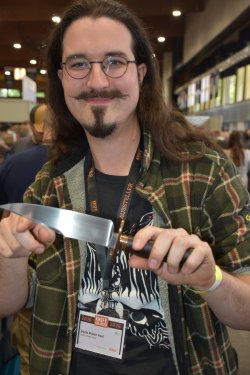
To please everyone, as the saying goes, is an art that nobody can master. Consequently, there were also mixed voices among the exhibitors: some members of the German Knifmakers' Guild longed a little for the exclusive meetings of earlier years. In particular, they complained that it was becoming increasingly difficult to explain to customers the difference in price and quality between a completely handmade hunting knife and one made in Asia. On the other hand, you can also see this as a challenge if you "take the customer with you" during the demonstration and show the many details that distinguish art from simple craftsmanship or industrial mass-produced goods. The demand for a customized, unique and correspondingly expensive hunting knife or "gentleman's" knife for those who also collect watches and writing instruments, for example, is still noticeable. In this respect, the mood among visitors and exhibitors alike showed just how multifaceted the knife hobby can be.

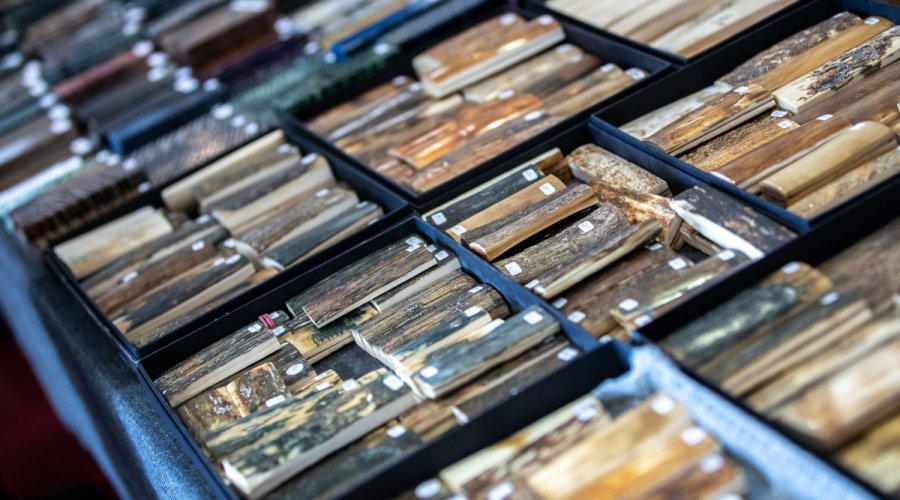
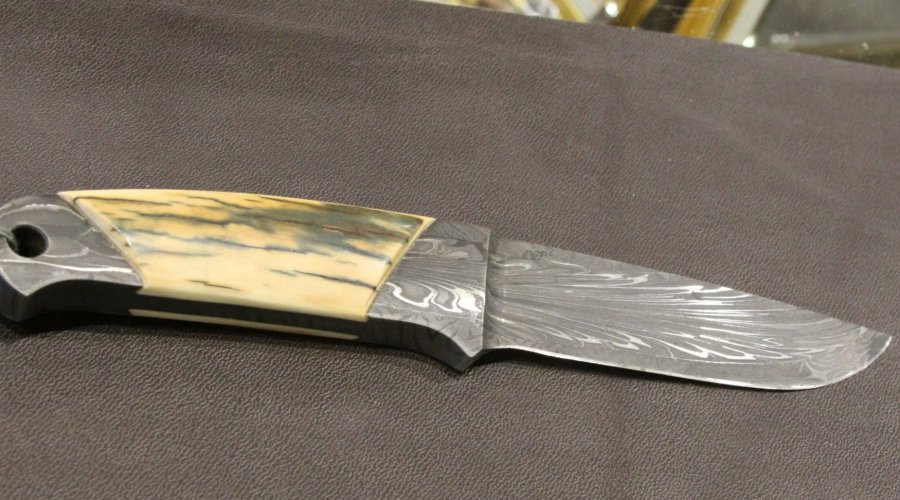
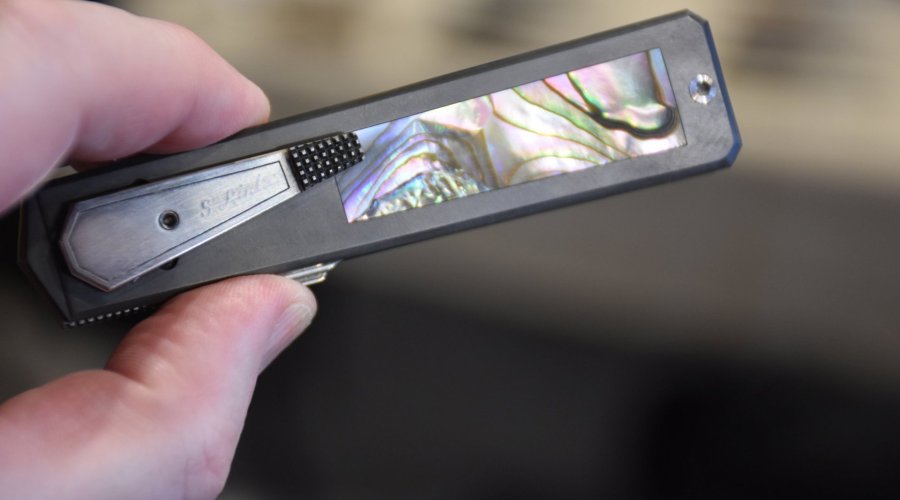
There are also recognizable trends in hunting knives: in the past, nothing worked without staghorn handles, followed by years of "for God's sake, no staghorn handles!" because they can be problematic to clean, for example. Today, there are individual manufacturers who consciously combine staghorn with modern knife design. And Damascus steel in its various forms has taken a firm place among blade materials – hardly any knifemaker does without this "eye-catching metal", and so well-known blacksmiths such as Uwe Heieck with his "Knife Garage" were also present at Knife 2026, or the family business Balbach, now the world market leader in industrial Damascus steels as well as active in traditional manufacturing. Stabilized handle scales are popular, made from combinations of wood and metal and/or resin inlays or completely synthetic. They allow for visually appealing surfaces and are therefore also often used by hobby knifemakers.
KNIFE 2026: The Solingen knife manufacturers presented themselves to the public in front of their home crowd and with new ideas
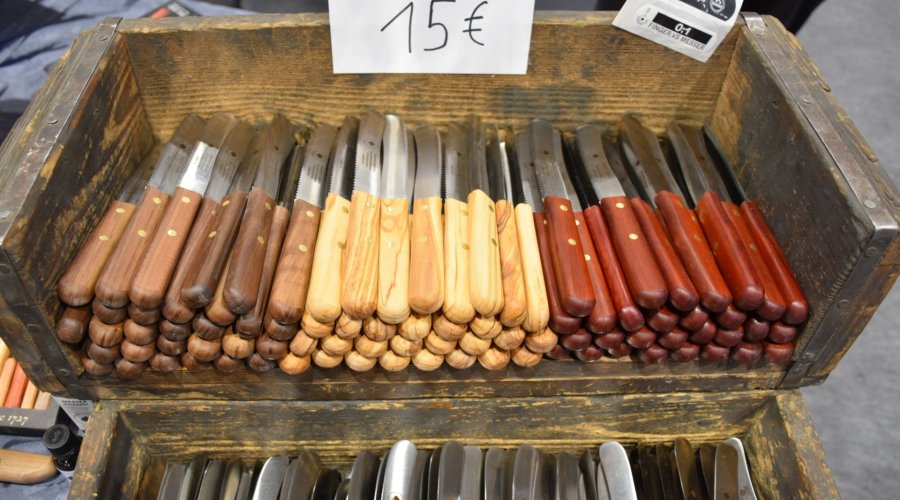
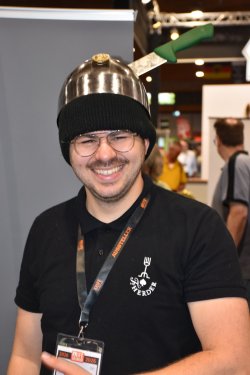
Of course, Solingen was not chosen as the location for the KNIFE fair by chance: The German "City of Blades" has a number of world-famous manufacturers to offer, even if many companies have disappeared or reorganized in the hustle and bustle of recent decades. Boker, for example, had organized an in-house exhibition the day before, at which a number of upcoming innovations were presented. Puma was also present as the main sponsor, as were smaller companies such as shaving specialists Giesen & Forsthoff (100 years old), Eikaso with meat and butcher's knives (also 100 years old) and Dovo (founded 120 years ago). The Friedrich Herder company, founded in 1727, can look back on almost 300 years of Solingen craftsmanship history, but the young salespeople at the booth brought a breath of fresh air into the exhibition hall with their unique helmets and got straight into conversation with everyone. The popular vegetable knives, called "Zöppken", were advertised as a suitable souvenir from the KNIFE fair.
The date for the next fair edition, KNIFE 2027, has already been set: on 8 and 9 May 2027, once again at the Solingen ice rink.
Picture gallery: Impressions from KNIFE 2026 in Solingen