
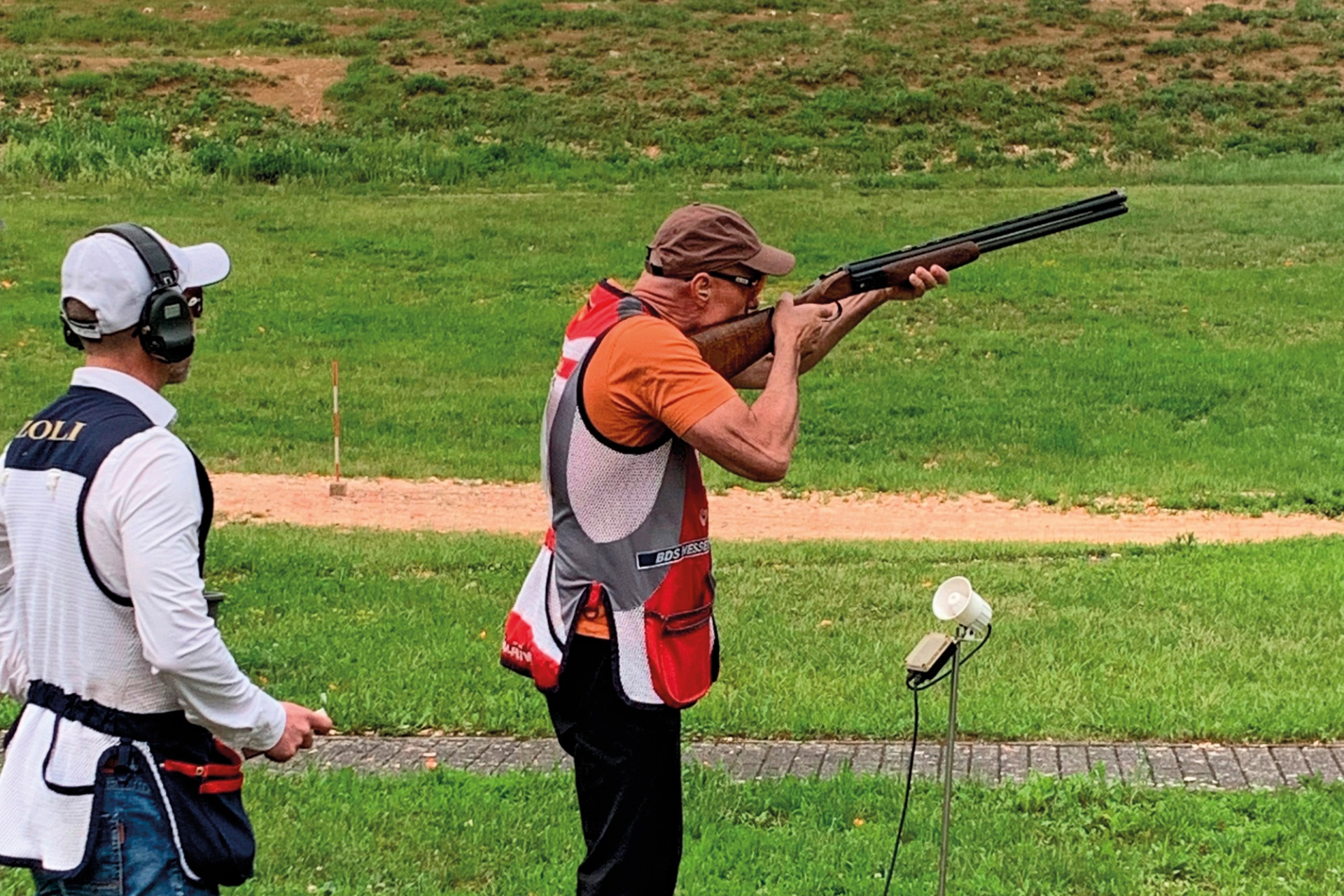
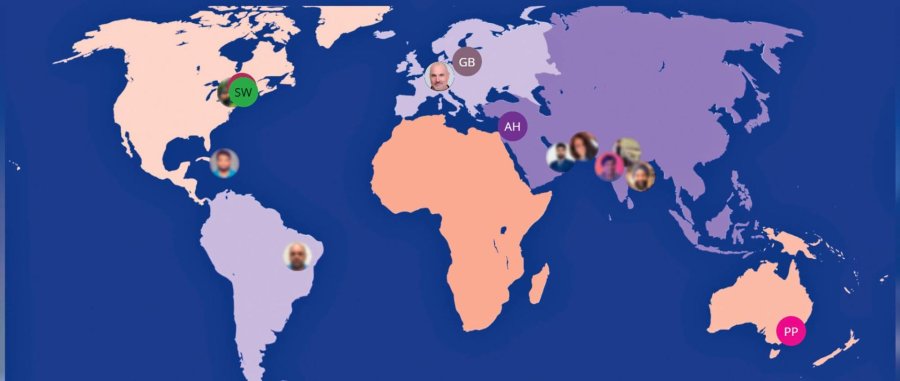
It is well known that the ISSF is the world's largest international shooting sports organization, active in 146 countries around the globe in a wide range of disciplines from 10 meter air pistol to 300 m rifle three positions. It is probably less well known that the International Shooting Sport Federation established the ISSF Academy in Finland last year as an official training and coaching academy for Olympic shooting sports, which also licences its graduates. The aim is also to bring shooters and coaches together and to acquire new knowledge for the development of shooting sports and to provide impetus for training. There is a choice of three categories/types of firearm: pistol, rifle and shotgun. There seems to be enough demand, as numerous coach licences have already been awarded in the first year. Depending on the intensity and level of training, the courses are categorised from D to A, with the D Course being the "bottom" level. With the ISSF's global network and today's technical possibilities, an online course is an obvious choice. We opted for the shotgun course, which covered the Olympic trap and skeet disciplines. At the initial meeting, we found ourselves among like-minded individuals from Europe, South America, Asia, and Australia. This also makes it clear that the course is conducted in English.
All beginnings are difficult: The D-Course shotgun certificate
After registration, participants first receive access to WADA (World Anti-Doping Agency) and ADEL (Anti-Doping Education and Learning Platform). Here, it's essential to acquire sufficient knowledge about doping. While the subject matter is rather dry, it's nonetheless necessary, as coaches and athletes using medication for illnesses or allergies can quickly become entangled in doping suspicions. The ISSF Academy attaches great importance to participation, so that you have to answer 80% of the questions correctly in the final test.
World-champions online conferences at the ISSF Academy
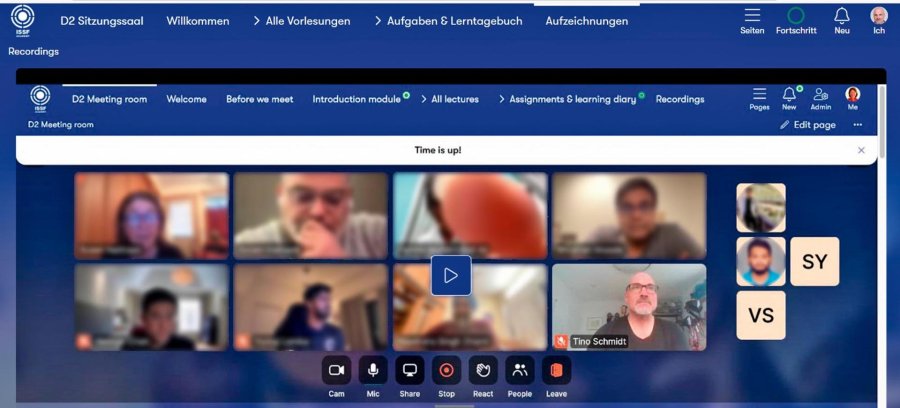
Then the first online session quickly comes into view. If you can't always make it to the informative session with interactive Q&A, you can watch the video recording later. Dr Susan Nattrass, who boasts, among other things, seven World Champion titles and two World Cup medalist titles, led us through the session. She started trap shooting at the tender age of 12 and can now look back on 60 years of experience – truly impressive! The next 12 sessions cover various topics that a future coach needs to know. This includes trivial things such as the contents of a shooting bag, but also technical details about the shotgun. Other key topics include eye dominance, shotgun shooting techniques and foot positions for both trap and skeet, which differ significantly from one another. Shooting technique is covered after around half of the sessions, followed by planning processes for sound training, visualization and other mental aspects.
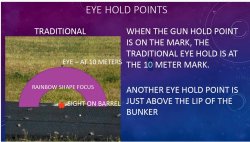
The whole programme is rounded off with tips on proper nutrition and coaching. Just like at school, there is also homework in the ISSF Academy. Sometimes it consists of short videos in which you teach a shooter from your circle of friends the content previously discussed in the script. This allows you to slip into the role of a coach and the seminar leader provides helpful tips for better implementation afterward. Sometimes, however, the homework has to be submitted in writing, for example when it comes to drawing up a training or nutrition plan. After around 12 weeks, the final exam takes place. In addition to the homework being assessed, students also have to answer 31 exam questions. A minimum of 75% correct answers is required to pass. However, if you have paid close attention and invested some extra time in internalizing the subject matter, you should pass the exam. How much time you have to spend depends of course on your level of knowledge. In addition to the online session, the ISSF recommends around four hours of additional study time per week, which we also managed to fit in.
Who says D, must also say C? The ISSF coach licences
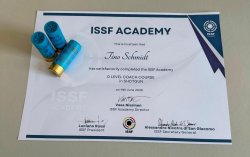
The D Course provides a wealth of content for those who aspire to become trainers. Submitting video assignments and passing the final exam allows the ISSF Academy to gain a comprehensive understanding of prospective coaches. This allows them to demonstrate a certain amount of knowledge and didactic skills to the students. At 490 euros, the course is also quite affordable. However, the ISSF certification is only valid for five years. Then you have to prove your skills again in a refresher course. If you want to climb further up the ladder, you can do so with the C course, which takes place twice a week and therefore takes up more time. The B and A courses are even more time-consuming, requiring you to travel to the ISSF Academy in Finland or take your exam on site at a major sporting event. The D Course is a good place to start as a coach at club level or perhaps as a start to a side business.