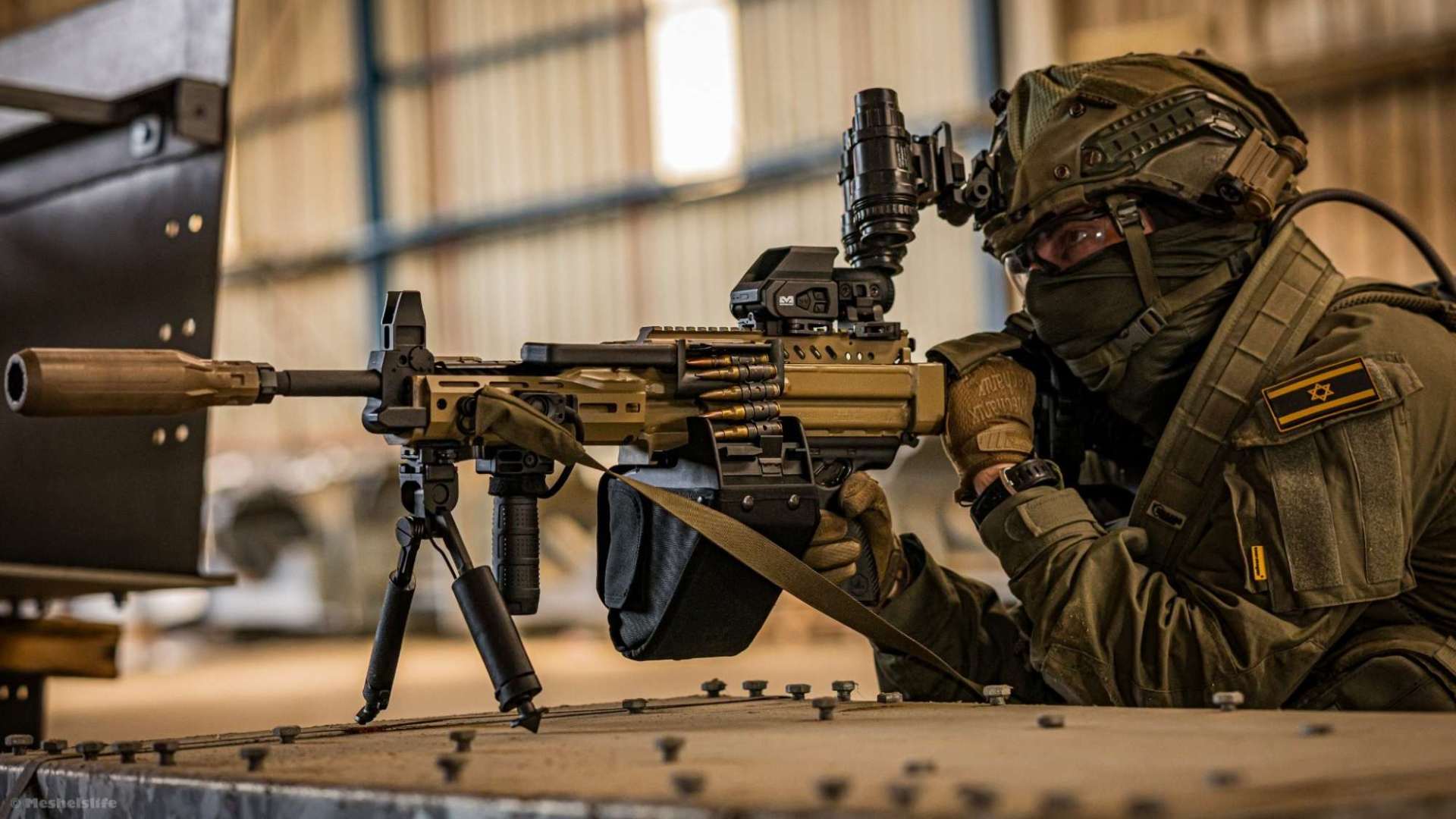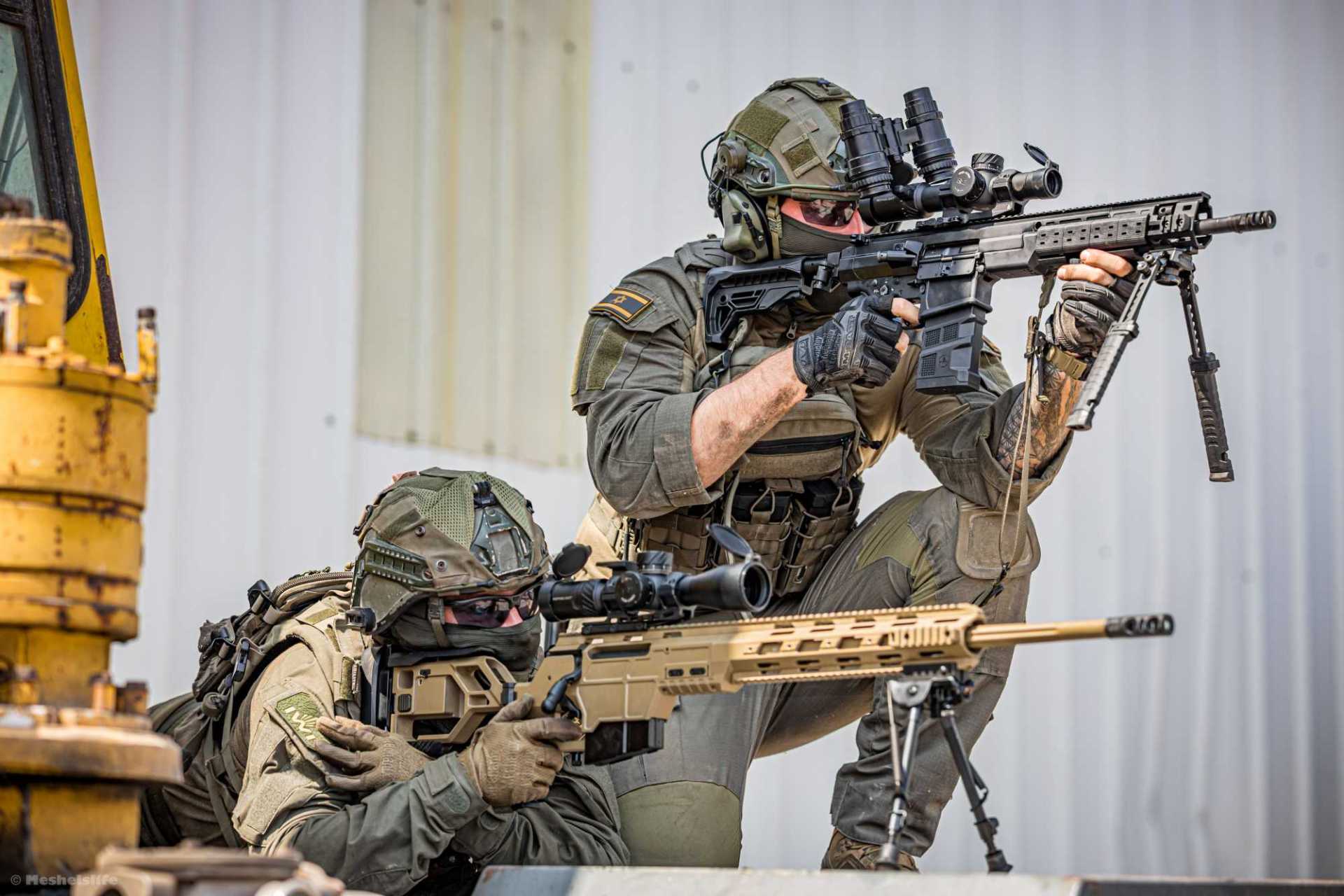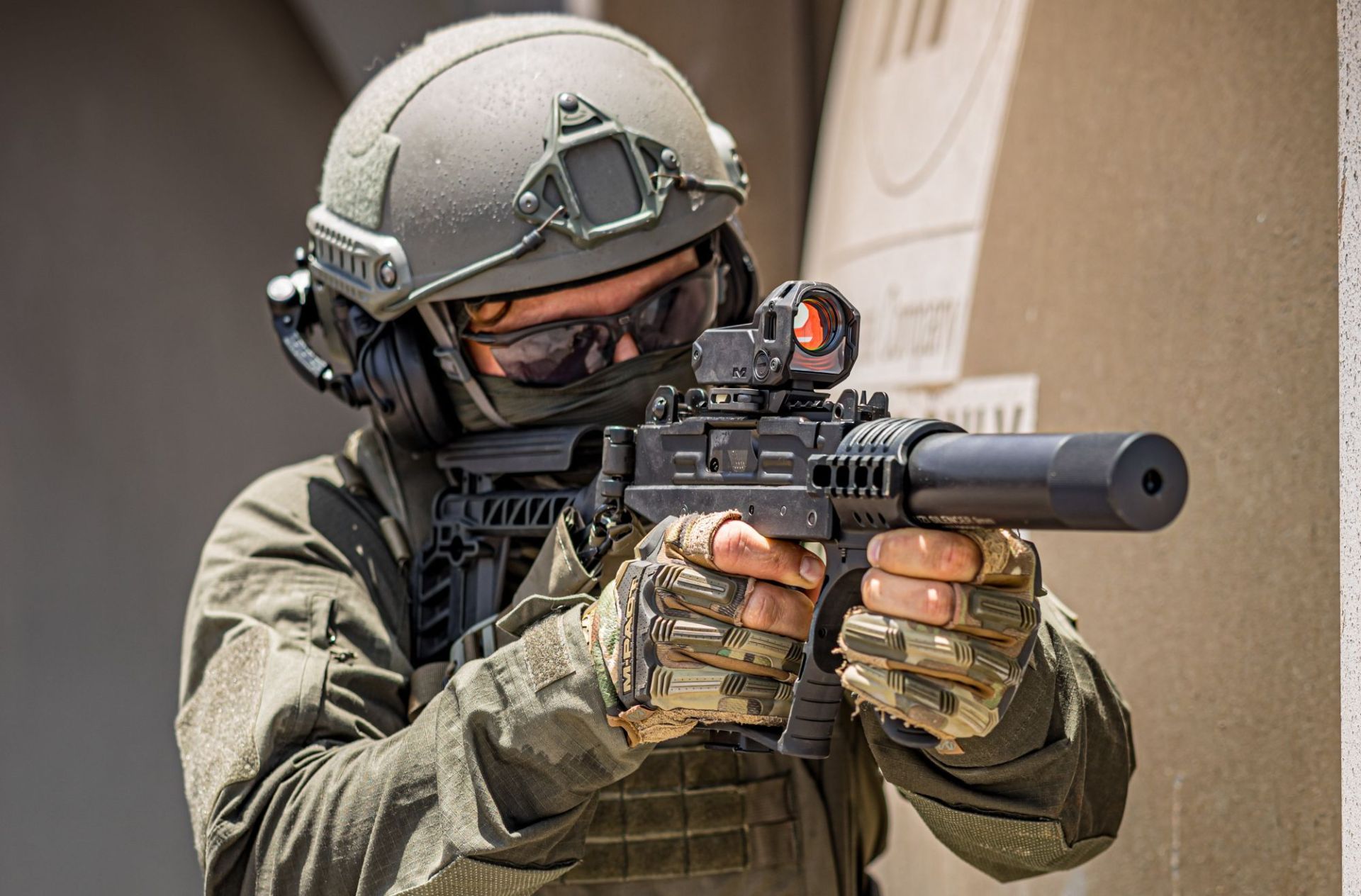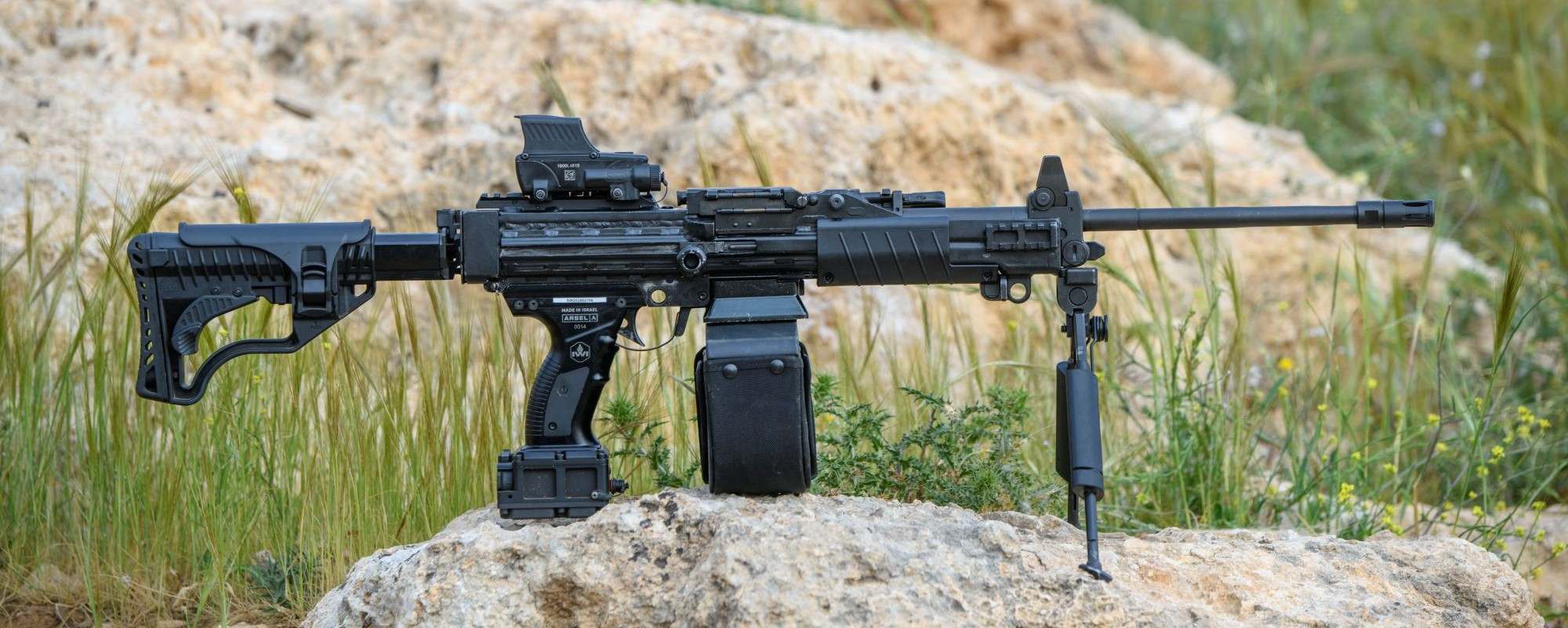

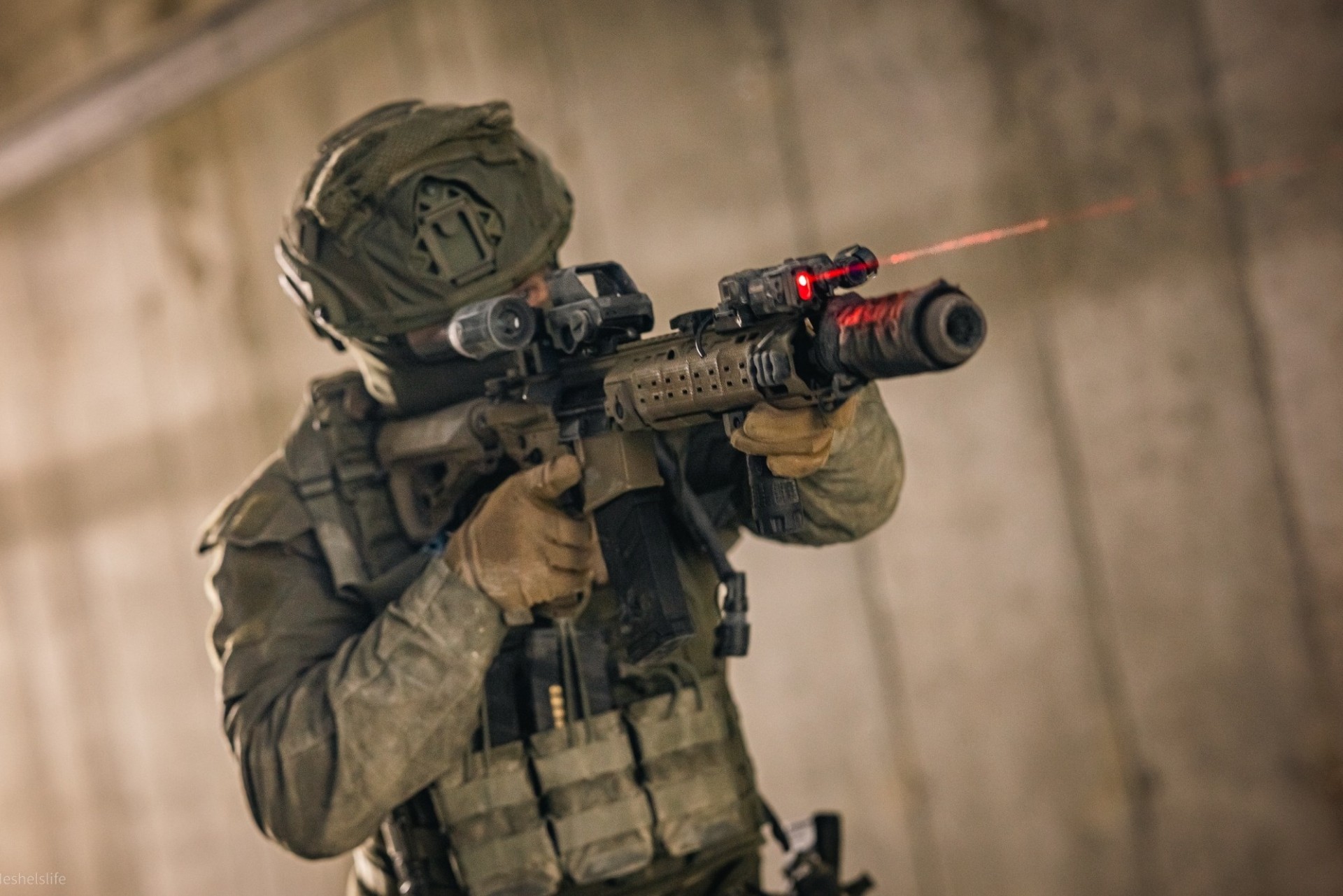
The laser pointer remains an extremely versatile accessory, especially for close-quarters combat (CQB) where, in addition to assisting the operator with instinctive shooting, the laser beam can be used for communication and target designation. One of the latest innovations comes from the Israeli company Meprolight, which recently unveiled the Sting Lumina 02, a dual-wavelength laser with an integrated infrared illuminator and highly advanced features. We asked Golan Kalimi, Senior Vice President of Meprolight, some specific questions on the new Sting Lumina 02. Mr Kalimi had previously made himself available for our "Q&A" on the company (here you can read the interview).
Meprolight Sting Lumina 02: visible laser with IR illuminator
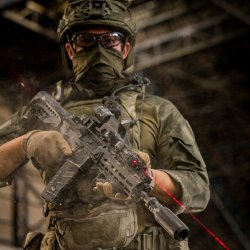
The Meprolight Sting Lumina 02 combines a visible laser, an infrared laser and an IR illuminator in a single device. What operational advantages does this integrated solution offer compared with traditional laser pointers?
The battlefield is constantly evolving, and operators cannot always predict the conditions they will face. With this in mind, we designed the system to equip them with as many capabilities as possible in a single solution. In a robust, compact package, the Sting Lumina provides modern fighters using night-vision with both aiming and illumination tools, enabling them to respond effectively to a wide range of operational scenarios.
The system allows the visible and IR lasers to be zeroed simultaneously. In practical terms, how much does this simplify weapon setup and maintain zero in the field?
The visible and infrared lasers are stacked one above the other, meaning they are parallel and positioned very close together. This design allows the operator to zero both lasers with a single mechanism, simplifying the process and saving time and ammunition. Because the lasers share the same durable zeroing mechanism, they remain aligned and maintain their zero even under the demanding field conditions the Sting Lumina may encounter.
The integrated IR illuminator features an adjustable beam. In which operational scenarios – for example when using night-vision or thermal devices – does this function become particularly useful?
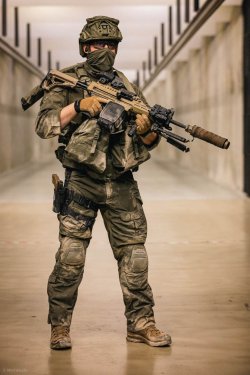
First, it is important to clarify that laser and illumination technologies do not work with thermal devices, as thermal imaging operates by translating radiation into an image. The system is designed to work effectively with night-vision devices. The illuminator features an adjustable beam that can be aligned so that the center of the beam sits over the IR laser. This enables the Sting Lumina’s “dual” mode, providing operators with both aiming and illumination simultaneously, allowing them to observe and, if necessary, engage a target at a distance in complete darkness.
Which design and construction features ensure the device can withstand recoil and the harsh environmental conditions typical of operational or professional use?
The Sting Lumina is constructed from a specialized compound designed to withstand demanding operational environments. Its design also incorporates strategic cuts that help dissipate heat, enhancing the system’s ability to withstand the harsh conditions of professional and operational use.
You chose to power the device with AA batteries instead of the CR123 batteries commonly used in many similar systems. What operational or logistical considerations led to this choice?
The decision to power the device with AA batteries was made to minimize customer costs and simplify logistics by using widely available batteries. At the same time, the system was designed to maintain high efficiency, enabling it to operate for long hours even with standard AA power sources.

Judging from the photos, the new device appears significantly more compact than the previous Sting shown on your official website, which – if I’m not mistaken – did not include an IR illuminator. Besides size and the addition of the illuminator, what other important differences exist between the two generations? Does the new model replace the previous one, or will it remain alongside it in the product lineup?
The Sting Lumina is indeed highly compact and designed for comfortable use. It fills an important gap for professional operators who require additional tools to achieve their objectives in the field. Rather than replacing the Sting Pro, we view the Sting Lumina as a natural evolution of the product. line – reflecting both the continued development of our technology as a company and the changing needs of operators.
Which features of the new device were most strongly influenced by collaboration with special forces or professional end users?
One of the key features shaped by collaboration with special forces was the addition of an integrated illuminator, reflecting the operational requirements highlighted by field operators.
What makes the Sting Lumina 02 superior to similar devices of previous design? Does it address new tactical requirements that earlier systems were not able to meet?
The Sting Lumina was developed in close collaboration with special forces units, which ultimately sets it apart from comparable systems. Reflecting the demands of these operators, the device was designed to be extremely robust while maintaining consistent accuracy and precision. As a company focused on developing electro-optical solutions for the modern warfighter, our priority is ensuring that our products meet the real requirements of soldiers on the battlefield. The insights and feedback of battle-experienced professionals were incorporated throughout the development process, helping ensure a reliable, mission-ready solution.
To find out more, please visit the Meprolight website.