
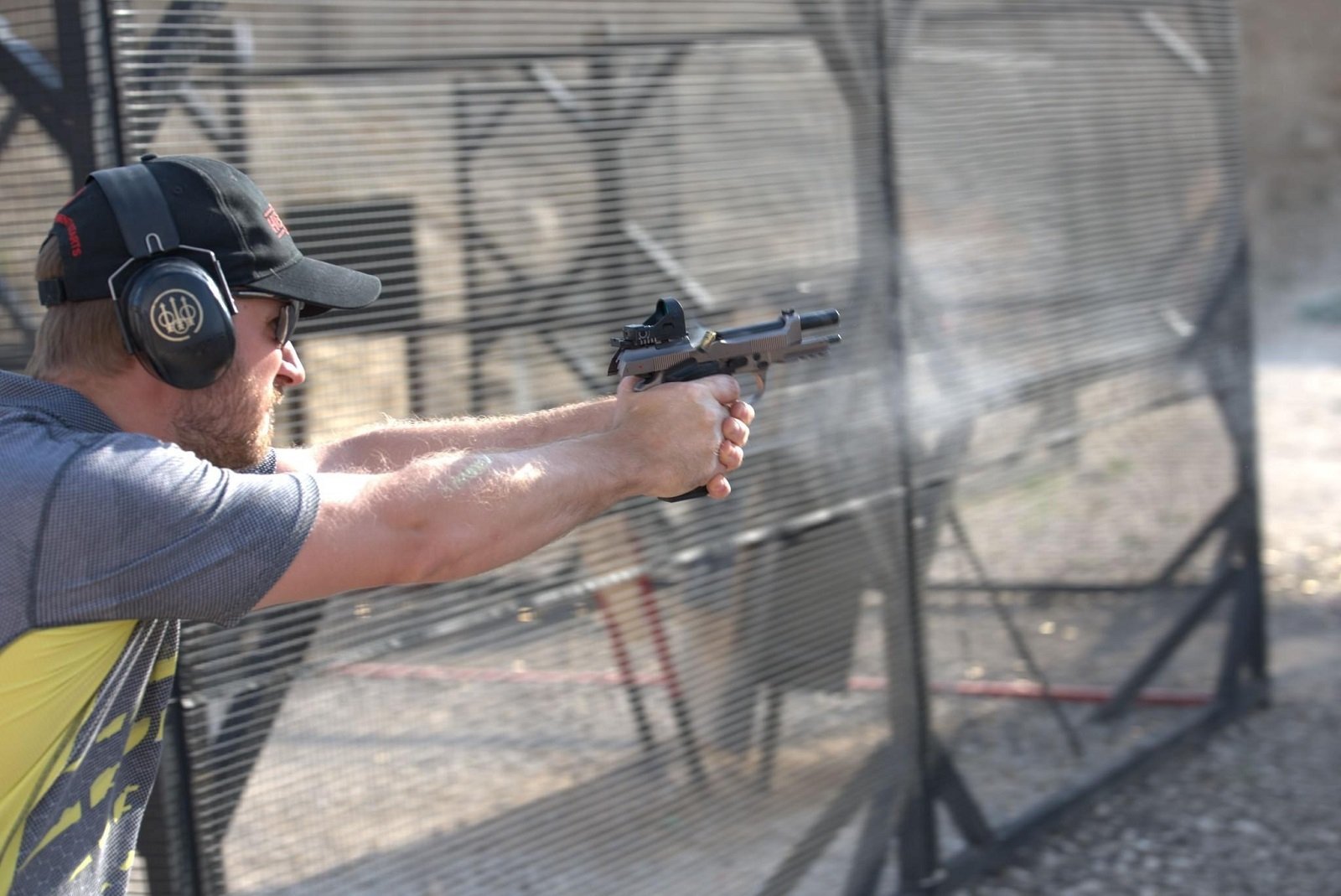
DVC – the Latin motto of IPSC is Diligentia (accuracy), Vis (power) and Velocitas (speed) – these three factors make IPSC shooting, named after the association, an extremely dynamic sport that will celebrate its 50th anniversary in 2026 and ensured a record participation of almost 1,800 shooters from over 50 countries at the last World Shoot in South Africa. Like no other shooting discipline, however, IPSC in Europe is subject to severe firearms restrictions and bureaucratic attacks, meaning that this special situation must also be taken into account in a portrait of the sport.
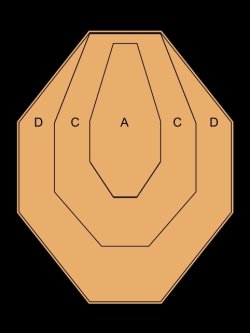
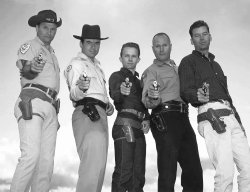
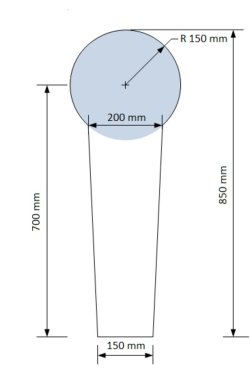
Practical shooting exercises, as the American founding fathers around Colonel Jeff Cooper wanted to train for self-defence in 1976, are no longer practised today. The original man silhouette of the early years has become a exagonal-shaped cardboard target with three hit zones which, unlike the usual ring targets, can't be seen from the shooting position. Alternatively, you can aim at metal reactive targets ("poppers") or steel plates.
This change to an exclusively competitive sport led to the migration of many professional gun carriers in the USA to the IDPA (International Defensive Pistol Association) years ago.
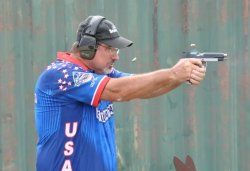
In short, the main differences to combat shooting are that in IPSC all stages and the required minimum number of cartridges per stage are known to all competitors before the start. There are no targets representing people, no targets that appear unexpectedly and generally no courses that are modelled on military or police situations. This also applies to the stage design, which prohibits opaque "cover" such as solid walls. And finally, accuracy always takes precedence over speed in IPSC: shots must always be aimned and fired deliberately from a slowed-down position, not while moving or from the hip
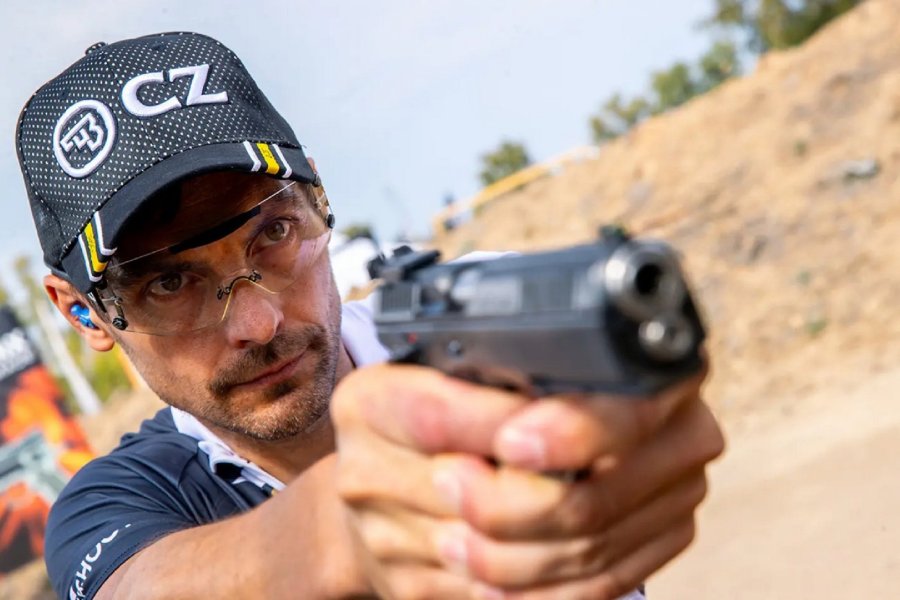
How does the IPSC competition start and how does it end?
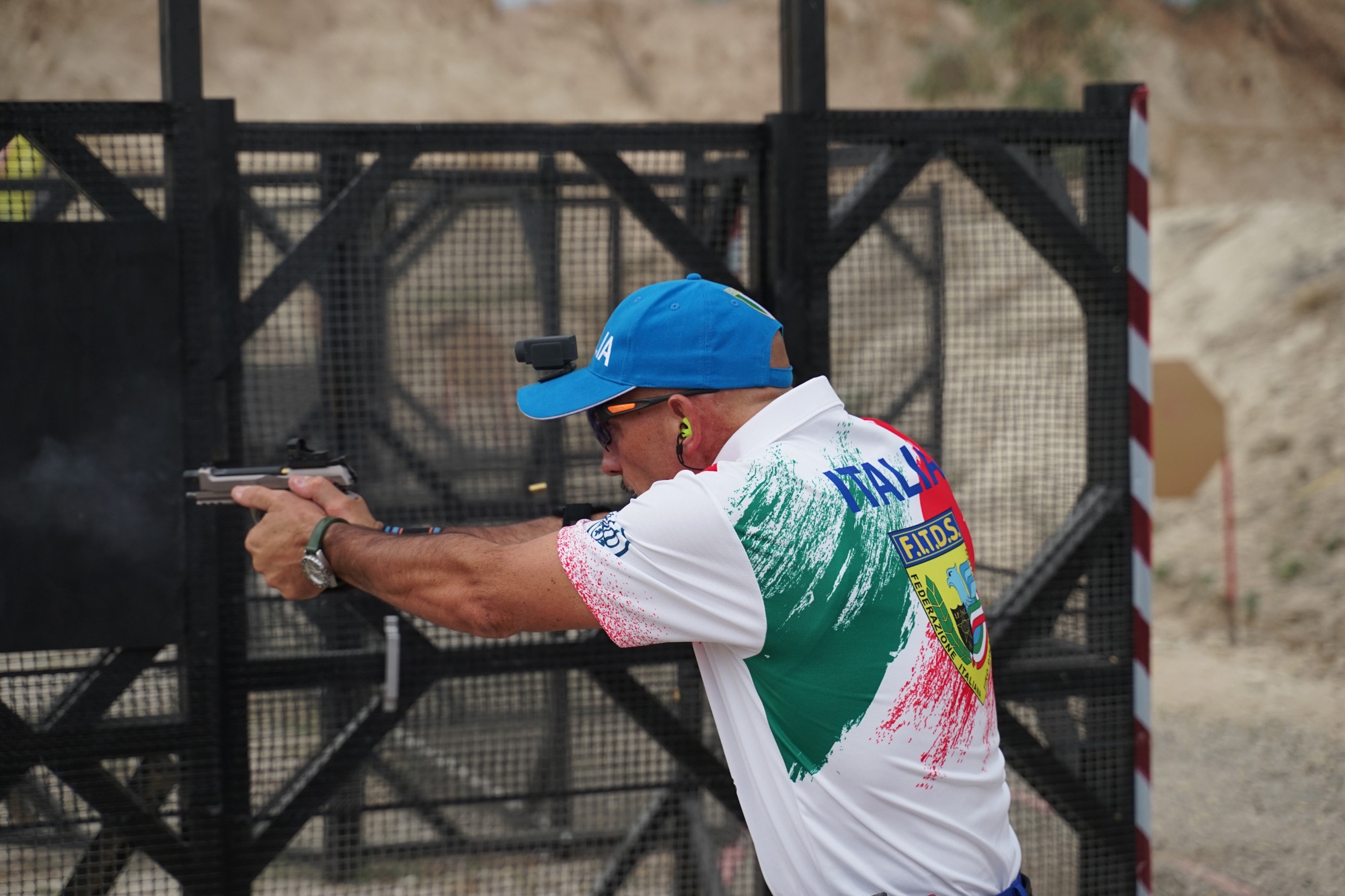
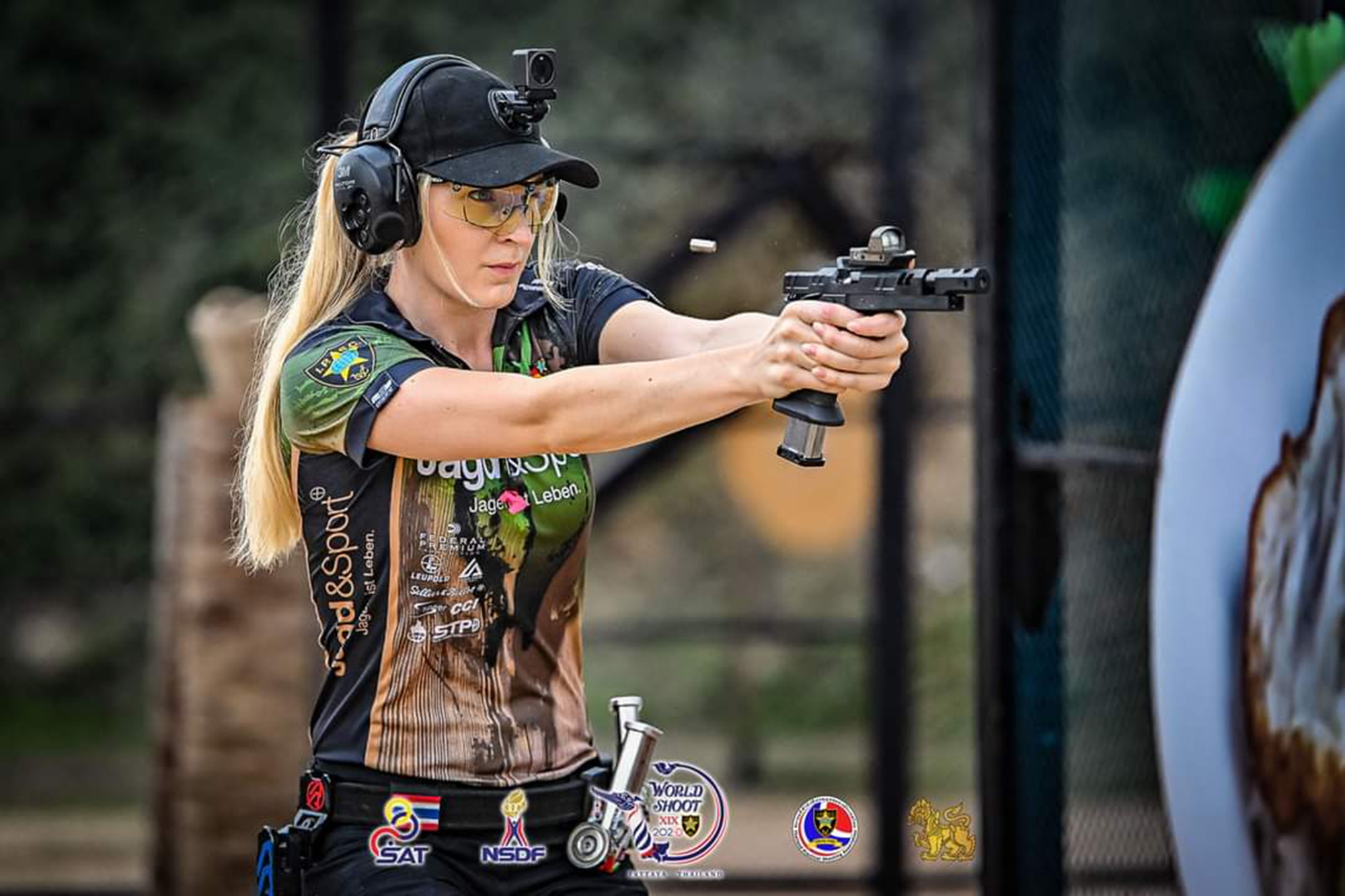
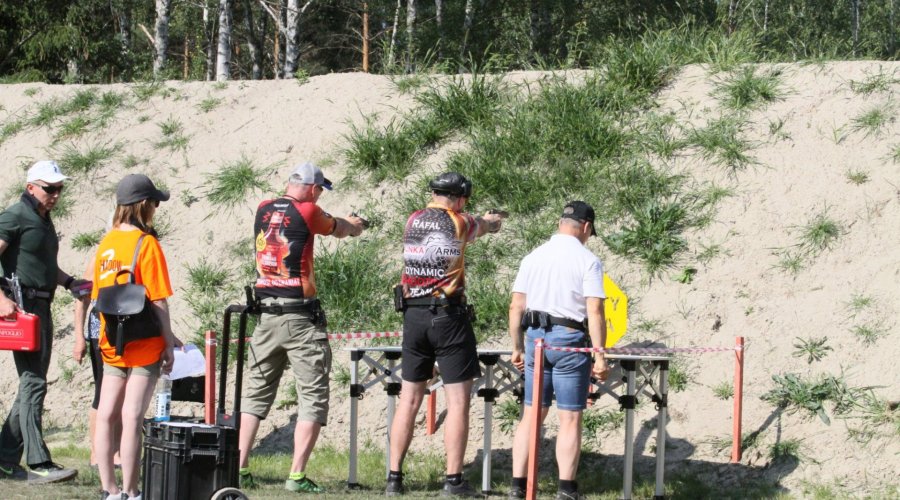
IPSC is a timed shooting sport in which the athlete completes a known course of fire, which usually consists of several sections with various stages. The shooters compete in groups, the so-called "squads". When it is a shooter's turn, they complete the next stage: the timekeeping range officer runs the entire course close behind the shooter and first asks "Are you ready?" – starting from the "Ready Position" with both arms at head height (or with the muzzle lowered in the case of long guns). At the signal from the timer, the shooter draws the handgun holstered at the hip and fires at the first target, then at the following targets. The goal is to complete each stage as quickly and as accurately as possible.
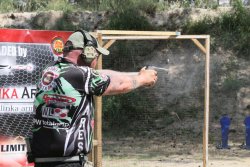
The special attraction is that almost every course of fire is designed differently. This means that shooters are constantly faced with new challenges and each stage requires a fresh approach. IPSC combines two seemingly contradictory requirements: on the one hand, it requires automated, fast movement sequences and, on the other, the ability to develop a suitable solution for each new stage situation. There are usually several possible solutions for the sequence from shot to shot, and you plan tactically whether this or that path could be the faster one. For example, you can save time if you can hit the target well and shoot from a greater distance instead of running close to the next target.
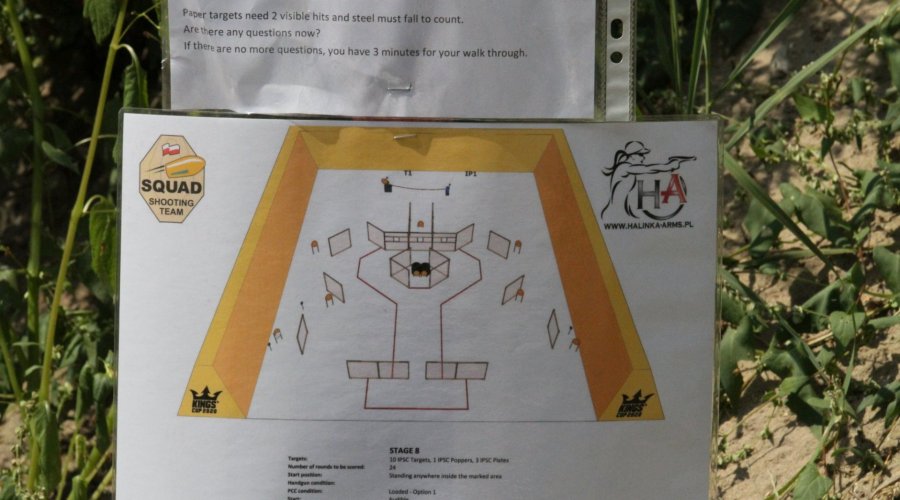
Experienced shooters benefit from the so-called "walkthrough", which allows them to walk the course before the competition and without guns. They analyse targets, distances and hurdles and mentally plan their optimum course of action. Speed and accuracy are equally important in the scoring: the hits achieved, minus any penalty points, are divided by the time required –from the start signal to the last shot. This results in the "hit factor". The shooter with the highest hit factor has the full score or 100 per cent for this particular stage; all other results are scored proportionally and result in the ranking.
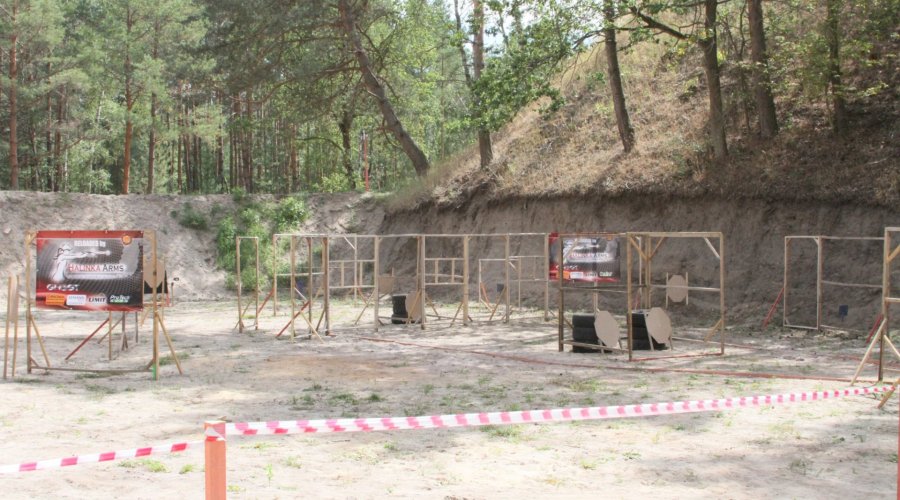
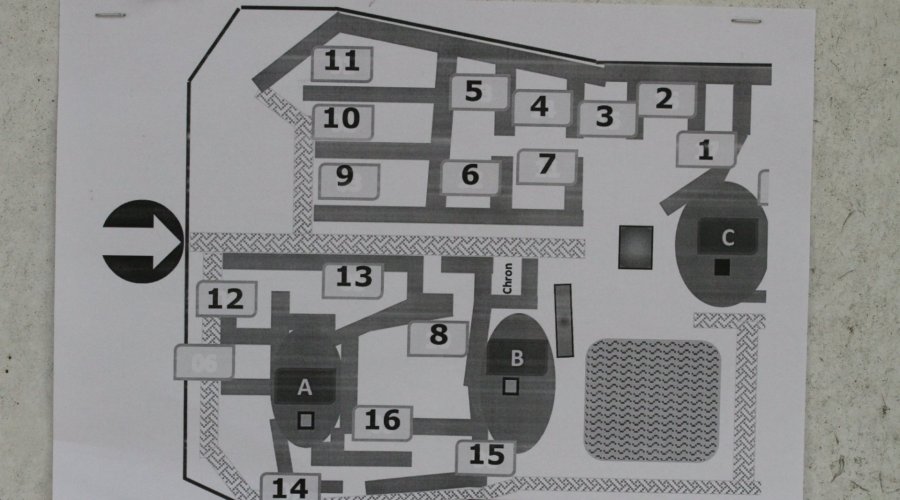
Picture gallery: IPSC competition in Wiechlice/Poland
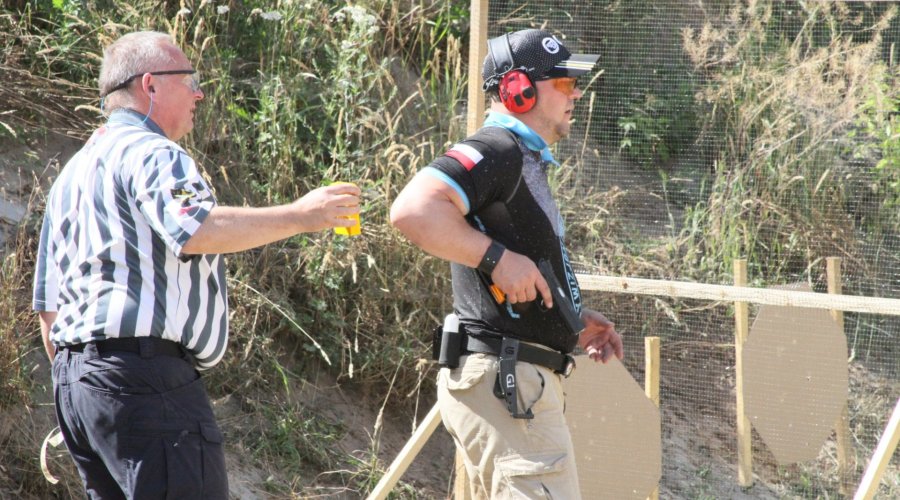
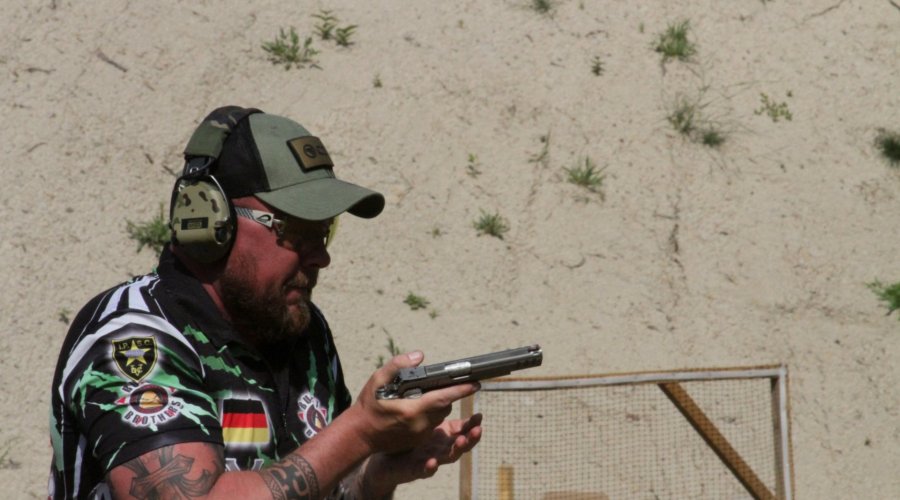
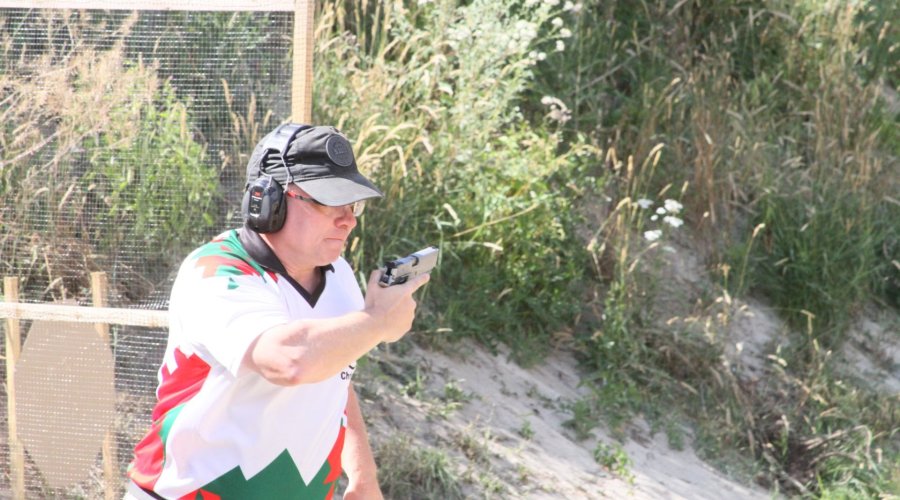
The power factor in IPSC shooting: power measurement for better comparability
In IPSC shooting, the cartridge power is ranke by the so-called power factor. A distinction is made between cartridges with a major and minor factor, which in turn results in different scores depending on the hit, for example on the IPSC Classic target. In principle, rim hits with a major factor are scored one point higher than those with a minor factor to account for the increased recoil and thus the greater difficulty in gun control.
The power factor is determined on the basis of a chronograph measurement with a few competition cartridges from each participant using the formula:
Bullet weight (in grains) x average bullet velocity (feet per second), the result divided again by 1000
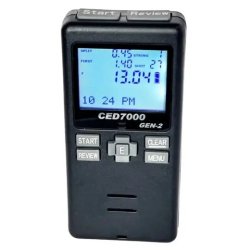
In principle, IPSC centerfire ammunition for handguns must be at least 9mm (9 mm Luger) and have a factor of 125 or more. Depending on the division, the major factor then starts above 160 (Open Division) or 170 (Standard Division, Classic Division and Revolver). In the Production Divisions, only the minor factor must be observed.
In IPSC Rifle a minimum factor of 150 must be achieved for participation in all centerfire divisions and in the more powerful calibres, a major factor from 320. The Mini Rifle Divisions use rimfire cartridges in .22 LR without further restrictions. The following cartridges are permitted in the two PCC Divisions (minimum factor 125): 9x19, 9x21, .357 SIG, .38 Super, .38 Super Comp, .40 S&W and .45 ACP.
For IPSC shotguns, the minimum caliber allowed is 20 gauge (or 20 bore), and a minimum power factor of 480 applies for all four divisions. For slugs, any type in the corresponding caliber is permitted.
Gun types ("Divisions") in IPSC shooting
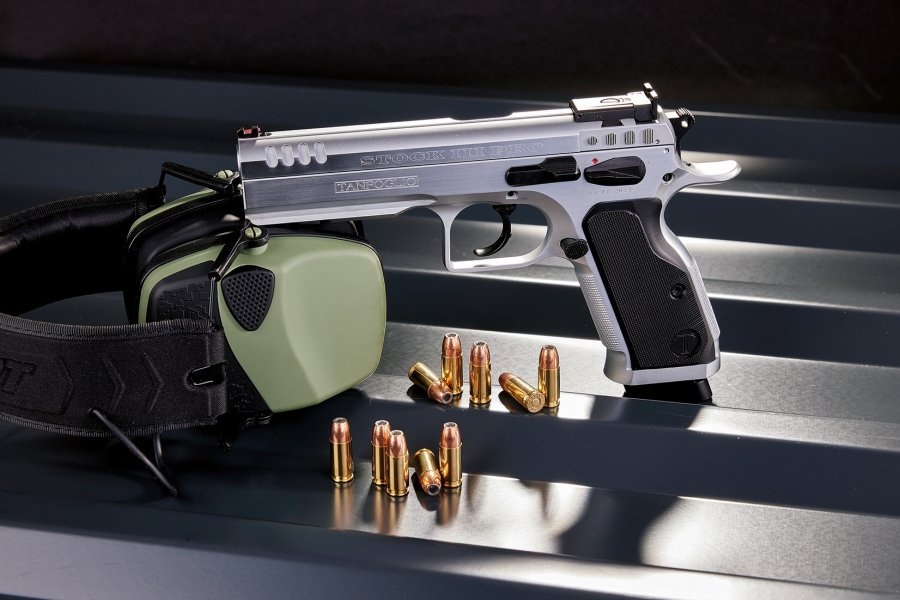
IPSC handgun disciplines
Open Division
Standard Division
Classic Division
Production Division
Production Optics Division
Revolver Division
Handgun .22 LR Open Division
Handgun .22 LR Standard Division
Handgun .22 LR Classic Division
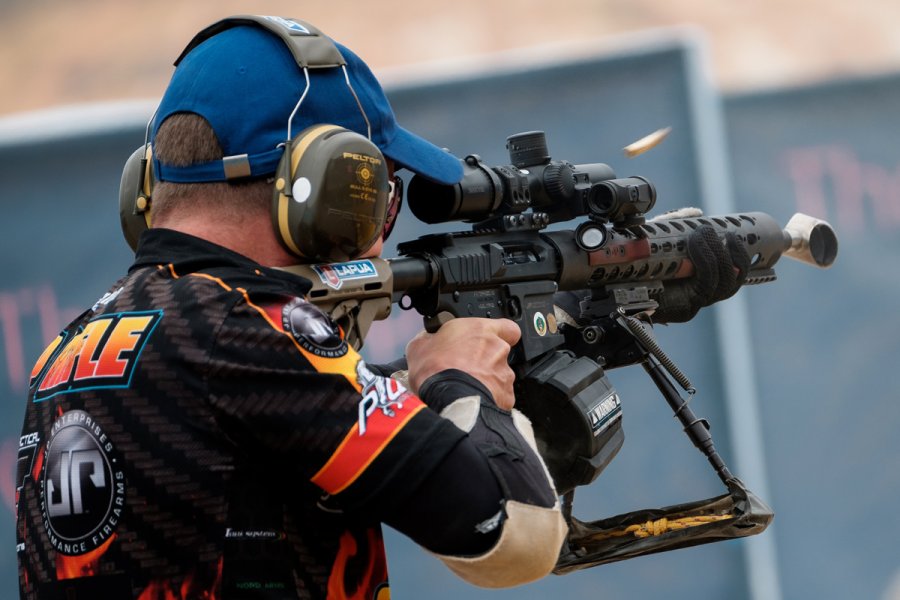
IPSC rifle disciplines
Semi Auto Open Division
Semi Auto Standard Division
Manual Action Contemporary Division
Manual Action Bolt Division
Mini Rifle (Rimfire) Open Division
Mini Rifle (Rimfire) Standard Division
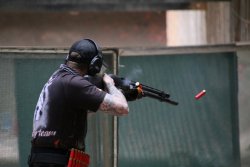
IPSC shotgun range
Open Division
Modified Division
Standard Division
Standard Manual Division
Important links about IPSC shooting
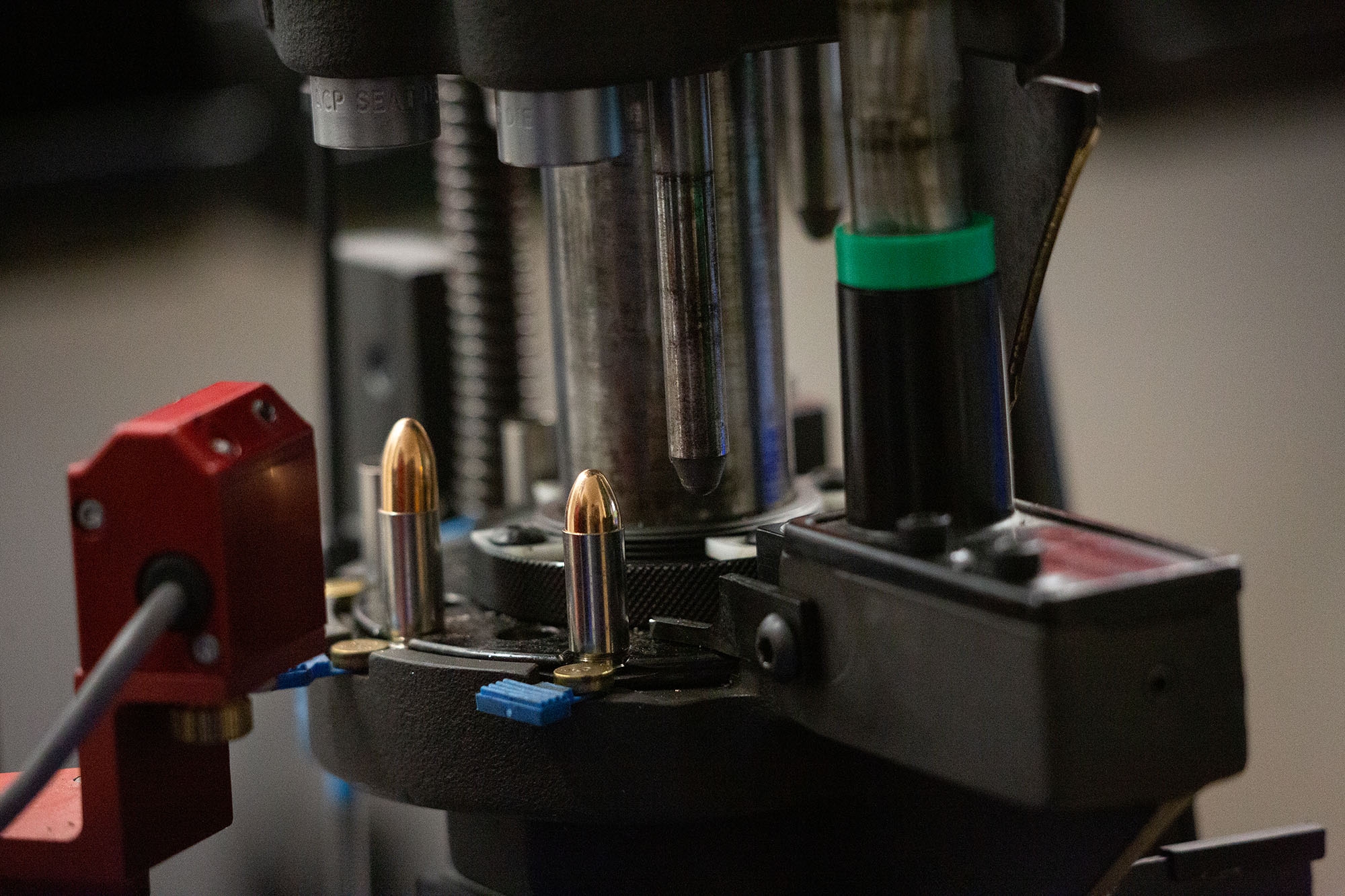
Reloading for IPSC (all4shooters.com course with Samantha Wendel)