
The Swiss Federal Office for Defence Procurement armasuisse has just announced that the evaluation for a new service pistol has been completed and that the SIG Sauer P320 has been selected. SIG Sauer has also assured that “essential elements of production” will be set up in Switzerland to comply with the Armament Policy Strategy of the Federal Council to retain and set up security-relevant industrial capabilities in Switzerland. The procurement of a new service pistol is part of the project 9mm Pistol CH A NG (Swiss Armed Forces New Generation). The SIG P320 will replace the Pistol 75 – that is, the SIG P220, introduced around 50 years ago – in the Swiss Armed Forces.
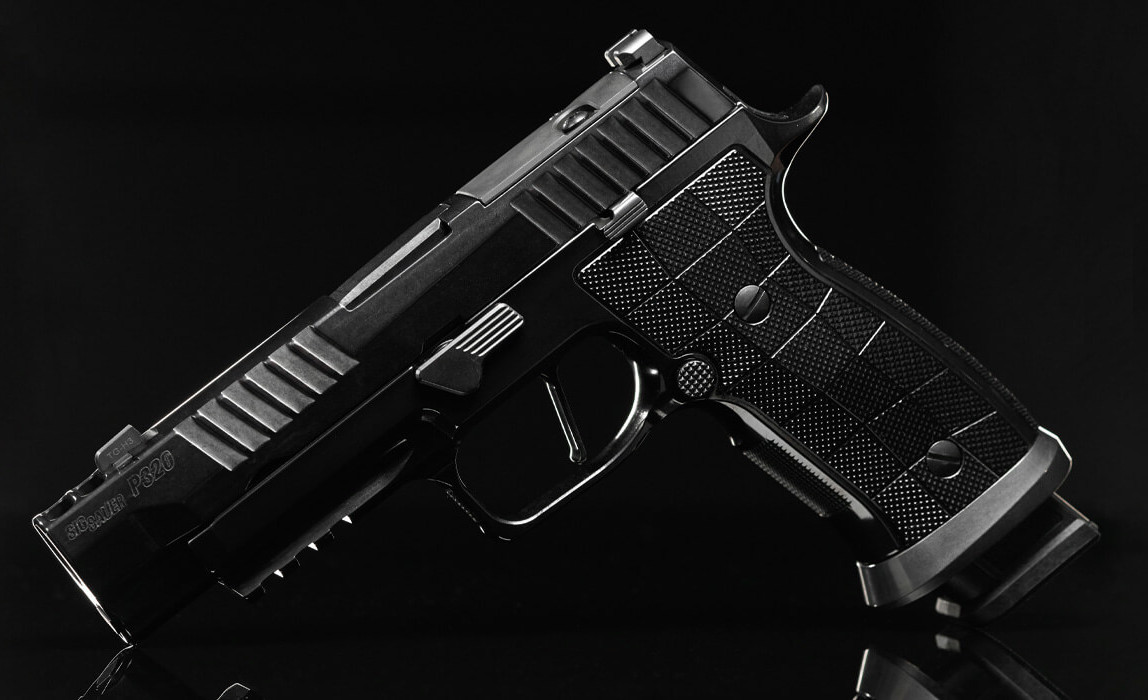
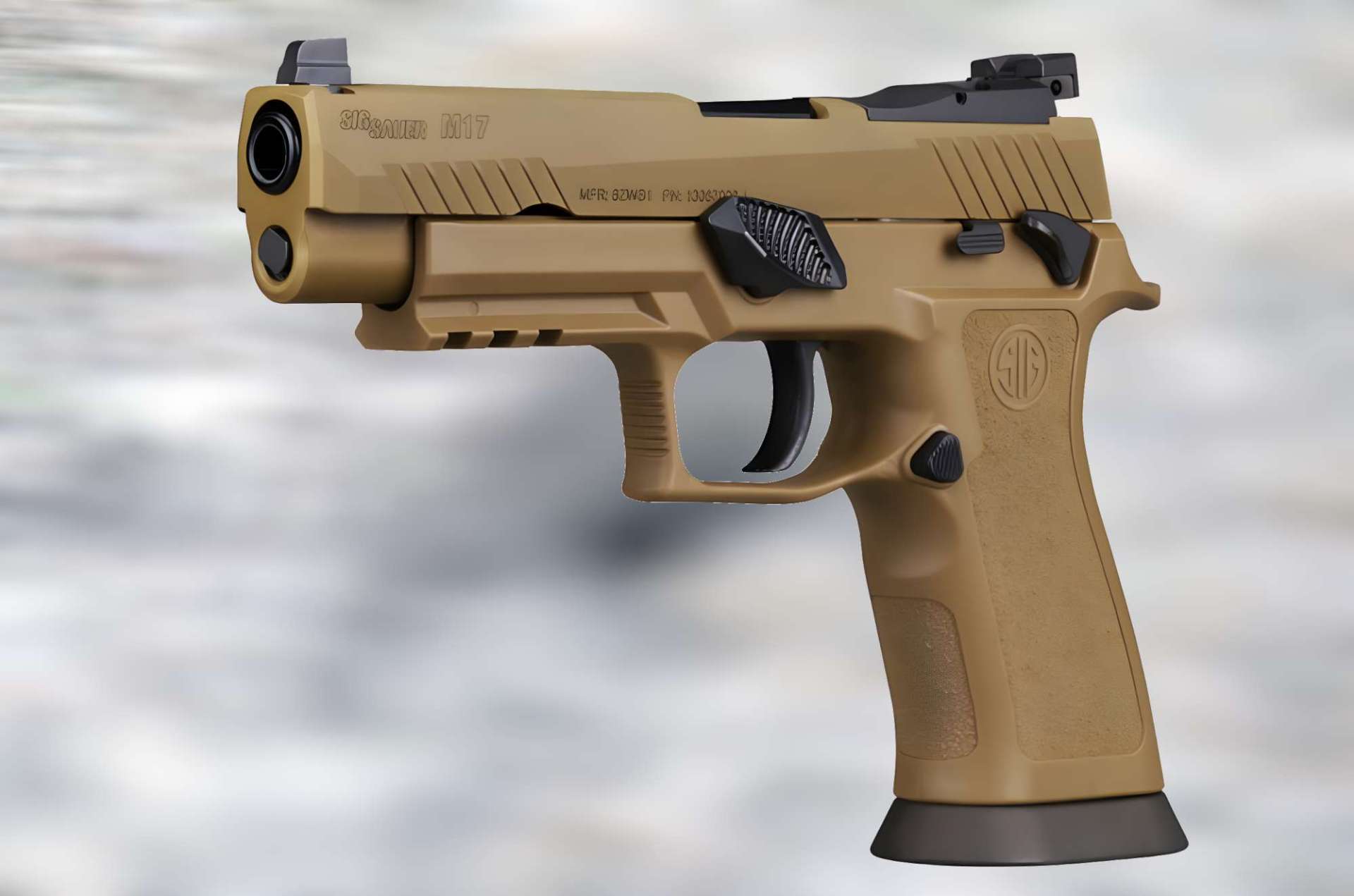
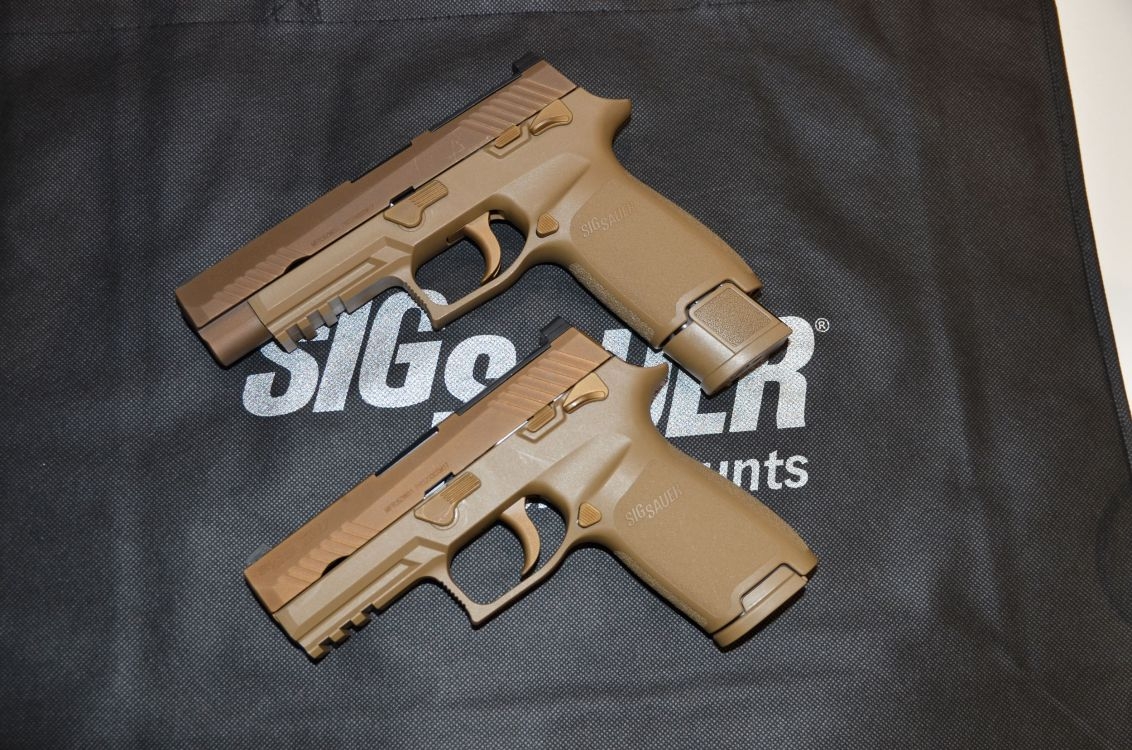
Which P320 variant has been selected by the Swiss in unspecified, but from an image attached to the official press release it seems to be the the P320 X-Carry featuring 3.9” slide and barrel.
The requirements of the Swiss Armed Forces regarding a new service pistol is for 140,000 weapons. The first lot of 50,000 models is to be requested for procurement with Armed Forces Dispatch 26. A mid-range double-digit million amount is set for the procurement according to the current budget. In addition to the service pistols, further operational material such as additional magazines or holsters as well as training material such as documentation and non-shootable “dummy” pistols is planned.
SIG Sauer P320, cost-benefit analysis
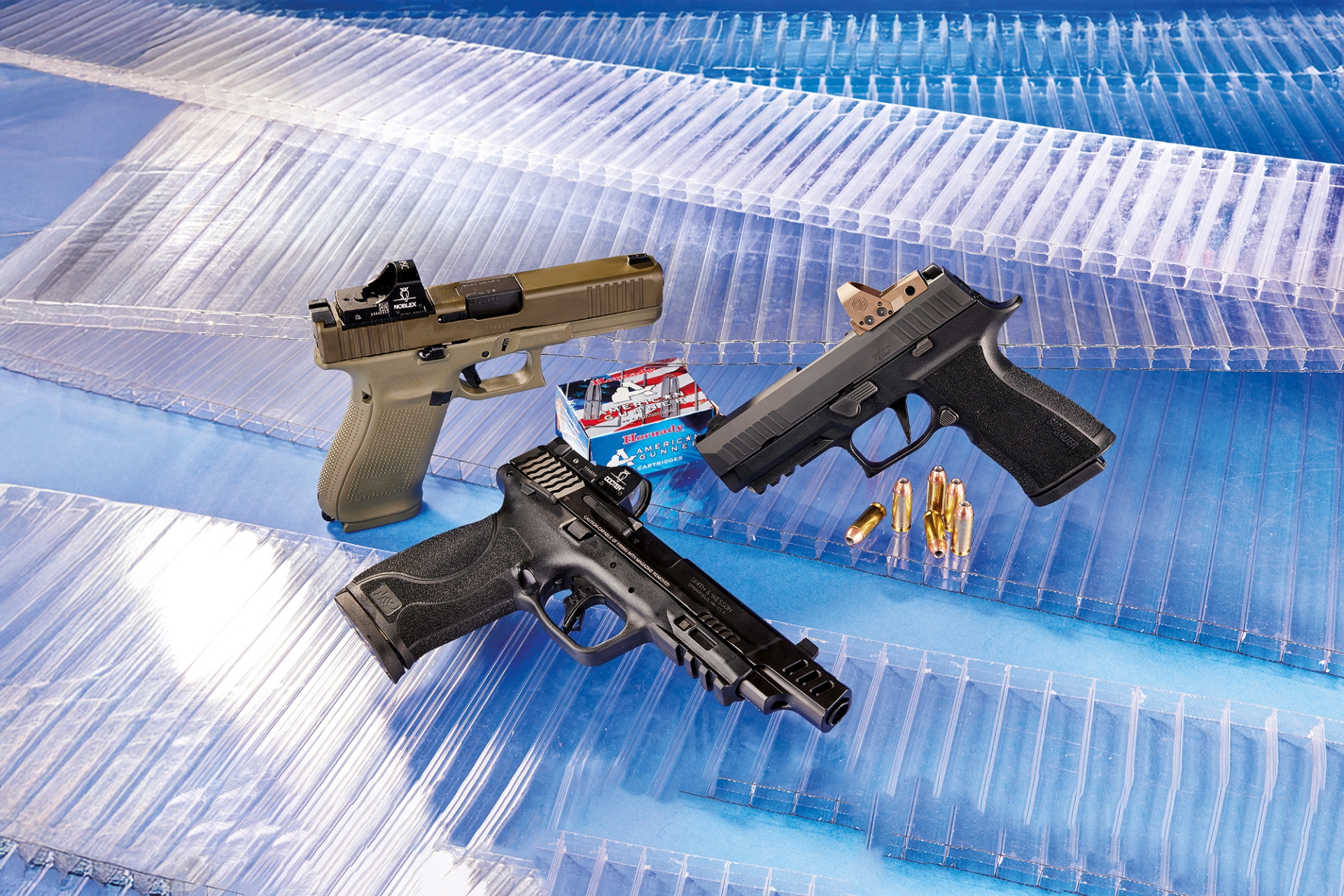
According to the official press release, armasuisse invited several bidders to submit their documents. An expert team of specialists from armasuisse and the Armed Forces then assessed five potential candidates as part of the pre-evaluation process. Pistols from three manufacturers were selected for the subsequent in-depth examination in 2024: Glock G45 Gen 5, Heckler & Koch SFP9 and SIG Sauer P320.
All three weapons were subjected to intensive and comprehensive technical testing, a field trial and the review of logistical aspects. Special attention was paid to the safe handling of the pistols. The tests showed that only the Glock G45 met all the mandatory criteria and was classified as suitable for use by the troops. An overall arms policy and economic assessment, however, revealed substantial advantages of the model SIG Sauer P320 in relevant areas. In addition, the cost-benefit analysis showed that although the evaluated weapon systems are almost equal in terms of overall benefit, they differ considerably with regard to the overall costs. In particular the economic assessment of all weapon systems clearly showed that the SIG Sauer P320 would generate the lowest overall costs over the planned useful life of 30 years.
The potential improvements identified with the SIG Sauer P320, that led to non-compliance with a technical requirement and to non-classification as suitable for use by the troops, were subjected to an in-depth analysis. This analysis showed that these were requalifiable adjustments attributable to aspects that can be resolved constructively, such as ergonomics and robustness of components. The technical rectifications lie within realistic parameters and have been bindingly guaranteed by SIG Sauer. As part of the setup of production in Switzerland, the potential improvements identified will be implemented and requalified. With these measures, the P320 is deemed ready for procurement in the Materiel Ordinance.
“SIG SAUER AG is delighted with armasuisse's decision to select the P320 pistol as the new service pistol for the Swiss Army. This contract award is a strong commitment to Swiss industry and an important milestone for our location in Neuhausen am Rheinfall,” comments SIG Sauer Swiss. “With the SIG SAUER network of several hundred suppliers in all regions of the country, all relevant components of the new pistol can be manufactured and maintained entirely in Switzerland. This strong anchoring in Switzerland and the correspondingly high, sustainable value creation guarantees quality, security of supply, and rapid production availability.” Pasquale Caputi, CEO of SIG Sauer AG, says: "We are proud and grateful for the trust that armasuisse has placed in us. The decision strengthens Switzerland as an industrial location and motivates our entire team in Neuhausen am Rheinfall. We will work with the utmost precision and full commitment to reliably meet the army's requirements and deliver a highly reliable, safe product to the troops."