
Shooting at steel targets or other hard materials such as glass, tin cans or clay pigeons, in whatever shape and size, has been practised worldwide for decades. In the US, for example, they refer to recreational shooting with air or rimfire guns as "plinking", because a hit on empty tin cans or glass bottles is audible as a "plink", not only for the shooter but also for the usually enthusiastic spectators and competitors.
From the tiny motorized steel animals at the fairground shooting gallery to the established international metallic silhouette shooting disciplines and the steel gong used in long-range rifle competitions, this basic principle of immediate hit signalling always remains the same. Psychologically, the learning effect is unrivalled: the shorter the interval between the action (the shot release) and the reaction (the audible hit), the better you remember what was obviously done correctly during the procedure and the reward is immediate. (Accordingly, you can also understand how frustrating it used to be for shooters in the past during competitions, when their hits on paper targets and the resulting ranking were often only evaluated hours later: today's electronic shooting systems are successful because the evaluated hit is displayed directly on the monitor and the spectators can also follow the match or the final.)
Action follows reaction: the basic principle of shooting at steel targets and the "fun factor" as the secret to success
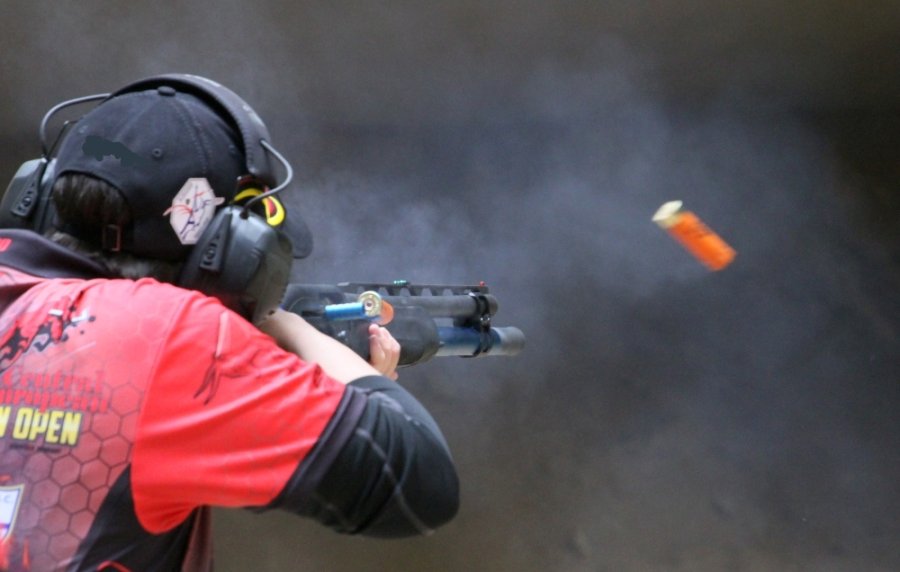
The energy that propels a bullet to and into the target causes the projectile to mushroom, flatten or penetrate the target, depending on the design. When shooting steel, soft lead bullets are usually used, or lead shot for shotguns, but partial or full metal jacket bullets are also permitted with rifles, provided the specifications of the shooting range regulations (SSR) and those of the local shooting range expert are met.
Suitable steel grades for the targets are Hardox 400 or the somewhat more brittle AR400 or, from certain calibefs upwards, the even higher quality 500 material – however, these specifications are not set in stone, the decision is made by the shooting range expert or the shooting range regulations. Ready-made steel targets are also already available from specialist retailers, but shipping is likely to be too expensive for obvious reasons.
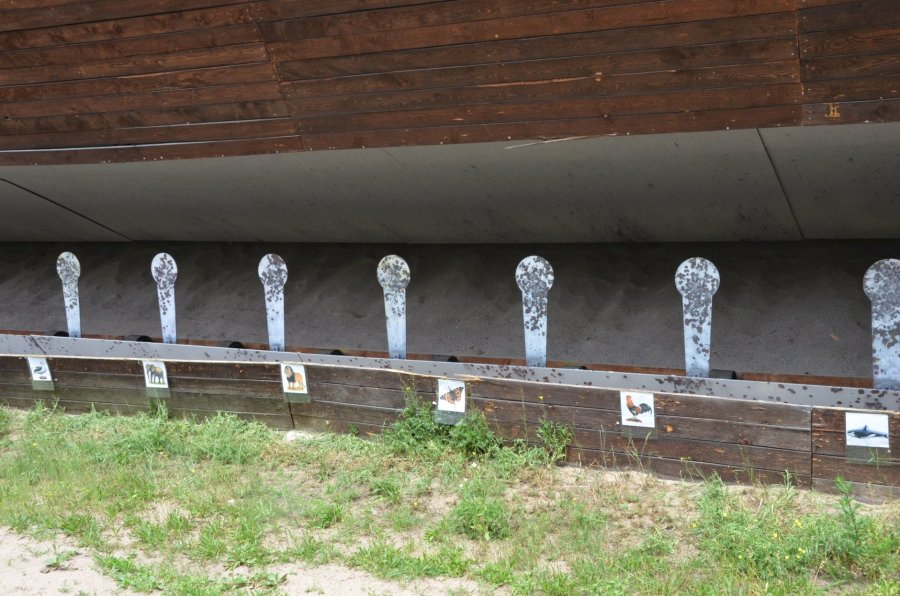
In these competitions, the bullet energy is not "lost" upon impact with the target, but converted into movement in the case of poppers or free-standing steel silhouettes: the steel target pops backwards or tumbles off its board. Nevertheless, projectile fragments can ricochet, for example in the case of rim hits, and must be stopped by appropriate catching devices. For this reason, the large steel poppers used in IPSC shooting, for example, often have a slight forward tilt towards the shooter. Ricochets are thus deflected downwards. When hit, the poppers only move back briefly until a mechanism at the bottom of the base releases the catch and allows them to return to the forward leaning start position. Regularly spraying over the target area between passes is important so that the shooters can make any necessary corrections to their aim from the visible hit position.
Two poppers standing close to each other, whose falling directions overlap when hit, are used as incorruptible referees in the popular "shoot-offs", which often follow a match as a duel between the best shooters. The popper hit first by the faster of the two shooters is the first to fall and is therefore also below the other popper that falls later...
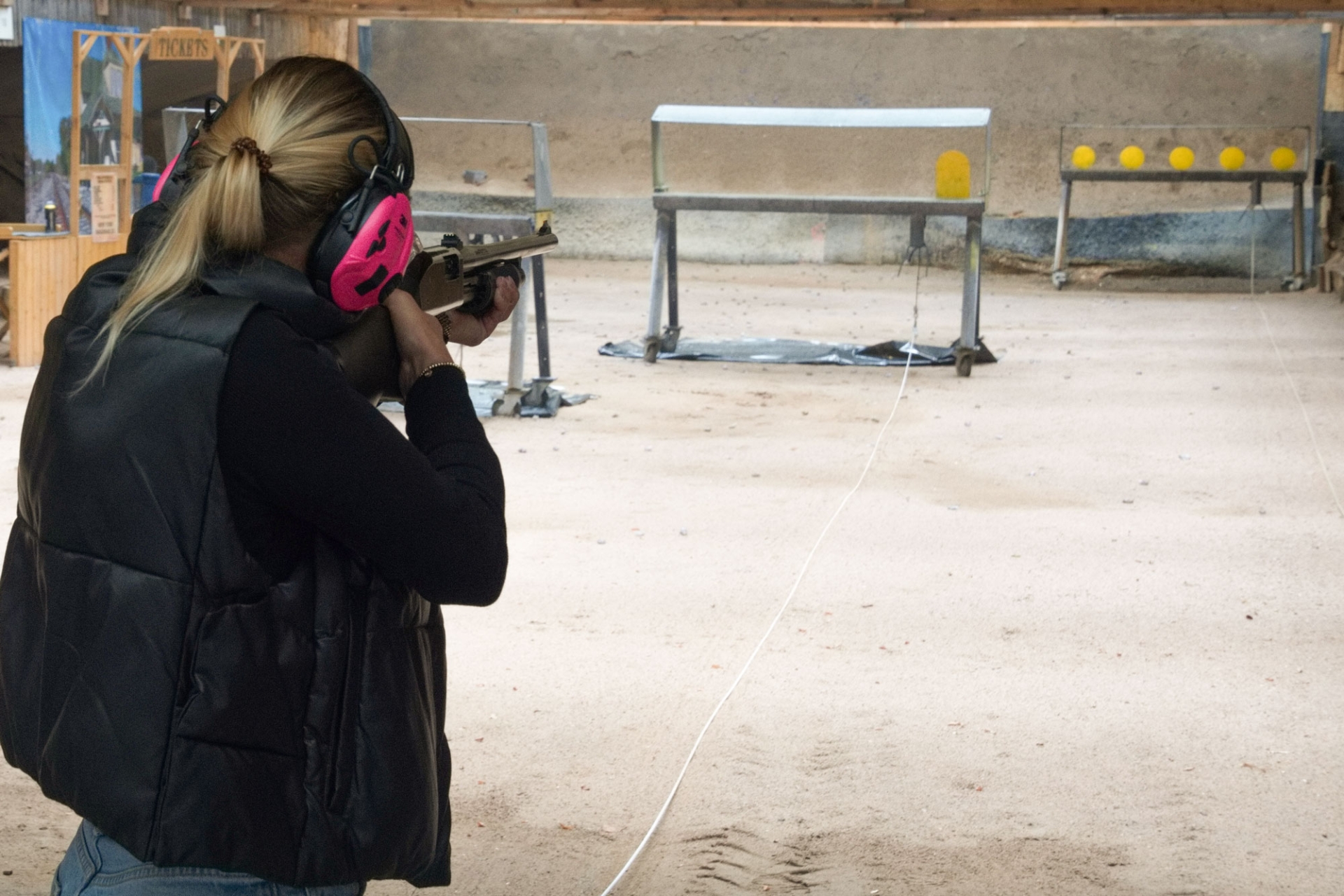
With the target plates arranged side-by-side on a stand, the goal is to hit and knock down all the targets as quickly as possible. The order of shooting is usually not prescribed (left-handers will probably start on the right so that the hand moving sideways does not cover the next targets). Here the shooters have to find the right mix of speed and precision, because while the total time after several rounds counts, a single miss results in ten penalty points, which would be nearly impossible to make up against competitors who hit the target without making a mistake. These boxes, containing five or six plates, usually have their own bullet trap and, thanks to wheels, can be easily moved around the shooting range.
With the Field Target, steel targets only fall when the small "hit zone" is hit with the air rifle
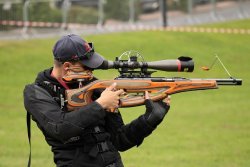
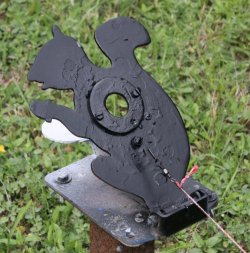
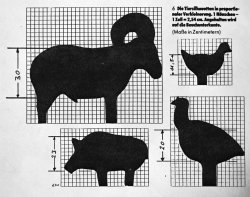
In Field Target, which simulates hunting and originated in England, rabbit, crow, magpie or rat silhouettes are shot at – these are animals shot in British hunting life with powerful air rifles (up to 16.3 joules muzzle energy). However, it is not enough to just hit a rabbit's ear for a training shot suitable for hunting; the silhouette is only knocked down when a lead pellet hits the significantly smaller "hit zone", an hole with a diameter of 15 to 40 mm. Here, too, the targets are repainted with a spray can after a round of usually 50 shots so that the shooters can recognise any misses on the area around the hit zone. In principle, there are separate r<nkings for shooters using a PCP air rifle (class 1) or a spring/piston air rifle (class 2).
When even popper targets fall over too slowly: in Steel Challenge and Speed Steel, the sequence of hits is also decisive
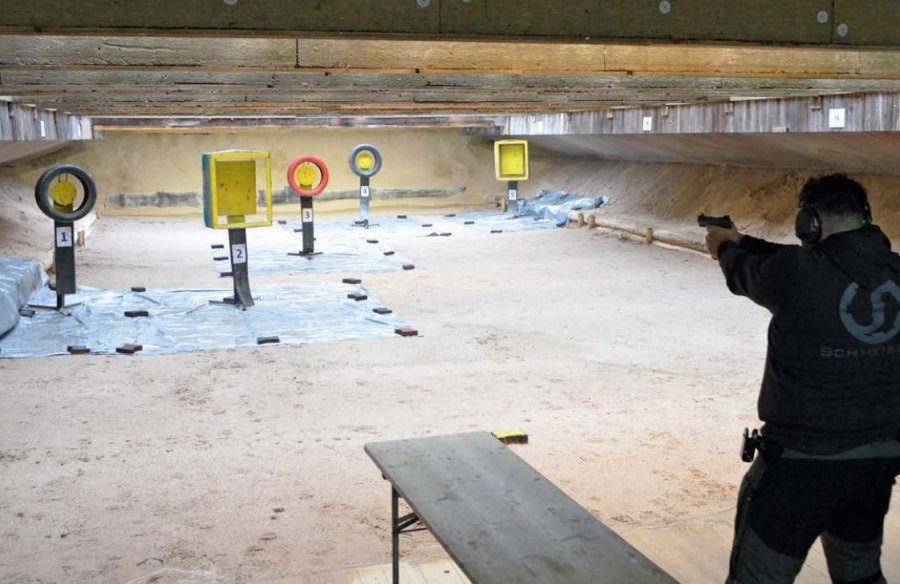
Eight standardised stages with steel plates, in which only the audible hit and speed count – that is the basic idea behind the Steel Challenge, which was invented in the USA in 1981. Each stage consists of five targets to be shot at, which must be hit in any order, with the exception of the "stop plate", which must be hit last and stops the clock. There is no restriction on the number of shots that can be fired, so targets that are not hit can be shot at again. However, any miss on a primary target (an unmarked plate) will incur a 3-second penalty. The lowest total time after all stages determines the winner.
The latest addition to the steel disciplines is called "Speed Steel", a competition for handguns and long guns in rimfire and centerfire calibers that can be adapted to any range layout. The sequence of targets to be shot at is only revealed to the shooter immediately before the start when he/she reads a previously concealed card. A holster can be used, but no safety and equipment check is required as in IPSC. Reloading during the stage is mandatory regardless of the number of shots fired, so gun handling also plays a role.
Important basic rules for shooting at steel targets
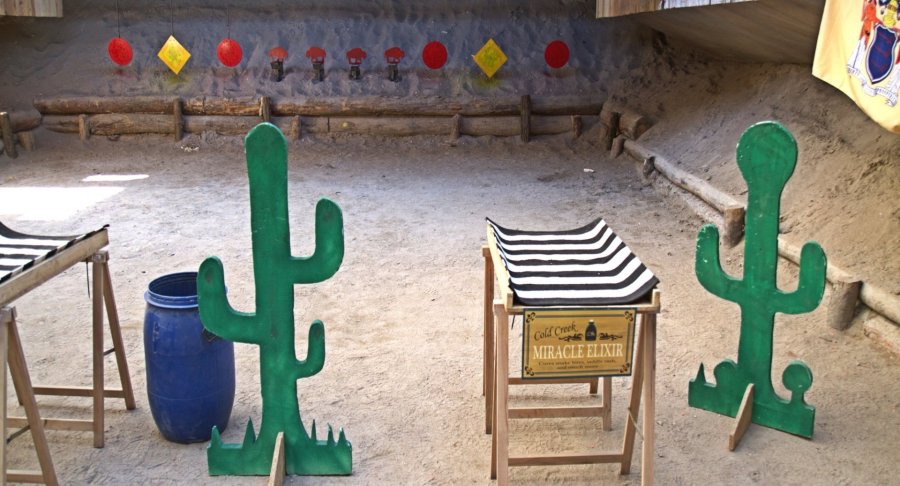
- As bureaucratic as it may sound, a shooting range for steel target shooting, especially at intermediate distances, requires specific authorisation from a shooting range expert (i.e. also after modifications and conversions). The expert decides which measures are necessary to prevent or minimise ricochets.
- Appropriately sturdy safety goggles, hearing protection and thick clothing with long sleeves and legs prevent injuries from bullet splinters, which can also fly back to the line of fire depending on the target distance. Spectators also need protective goggles.
- The steel targets must be checked regularly to ensure that new ricochets cannot fly in uncontrollable directions due to bent metal or old bullet remnants. The choice of steel material is therefore just as important as maintaining the targets and sorting out plates and poppers that can no longer be repaired. The steel plates and fronts can usually be replaced.